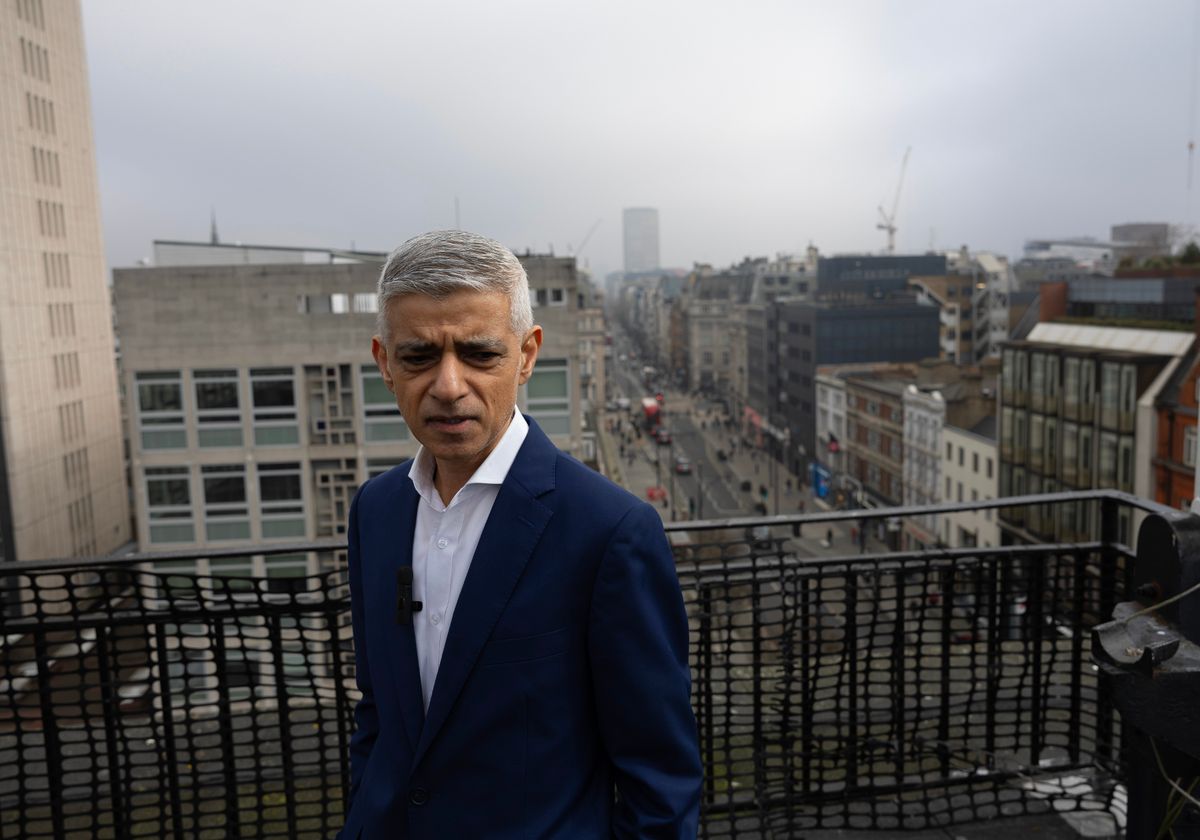
The Mayor of London, Sadiq Khan, has voiced strong disapproval of Thames Water following reports of record raw sewage discharges, yet he has declined to support calls for the company’s nationalisation. This decision comes amid growing public outrage as the water supplier is projected to release a staggering 79,000 hours of untreated sewage this year, the highest levels recorded since 2020.
Recent revelations from the Channel 4 drama “Dirty Business” have intensified the discussion surrounding Thames Water’s practices. The show highlights systematic illegal dumping and criticises regulatory bodies for failing to enforce pollution regulations effectively. Khan described the ongoing sewage discharges as “unacceptable,” insisting that the situation must not persist.
In an interview with MyLondon, Khan stated, “We see year after year behaviour that’s rather than changing for the better, continues as it is and it’s unacceptable.” He emphasised that residents are burdened with high water bills, while leakages remain a significant issue. He called on the regulator, Ofwat, to take decisive action, declaring that if the regulator fails to act, he will lobby the government for intervention.
The Mayor acknowledged the public’s frustration over Thames Water’s conduct but raised concerns regarding the financial implications of nationalisation. “The obvious question to be asked is how much will that cost? Who’s going to pay for it?” Khan remarked. He expressed apprehension that taxpayers, already struggling with inflated bills, could be further burdened by compensations to shareholders.
The Green Party has been vocal in its advocacy for the nationalisation of Thames Water. Party leader Zach Polanski urged Khan’s Deputy Mayor for Environment to support public ownership during a recent City Hall meeting. Deputy Mayor Mete Coban echoed concerns, stating, “Londoners shouldn’t have to pay for Thames Water’s failures,” although he stopped short of endorsing nationalisation.
Thames Water has faced significant penalties, including a fine of £123 million imposed by Ofwat in May 2025 for violations related to sewage spills and excessive shareholder dividends. This financial strain underscores the urgency for accountability within the company.
The impact of Thames Water’s failures was starkly illustrated last week when a sudden flood caused extensive damage in Islington, affecting both homes and businesses. A local shop owner reported losses of £50,000 in stock due to flooding, pointing to the direct consequences of inadequate infrastructure and maintenance. Islington Council leader Una O’Halloran condemned the situation, urging Thames Water to “get your act together,” attributing the incident to “years of neglect and inaction.”
While the calls for public ownership grow louder, Thames Water’s future remains uncertain. The ongoing dialogue between city officials and the water provider will be crucial in determining how London addresses its water management challenges. MyLondon has reached out to Thames Water for a response regarding the recent events and the public’s growing concerns.