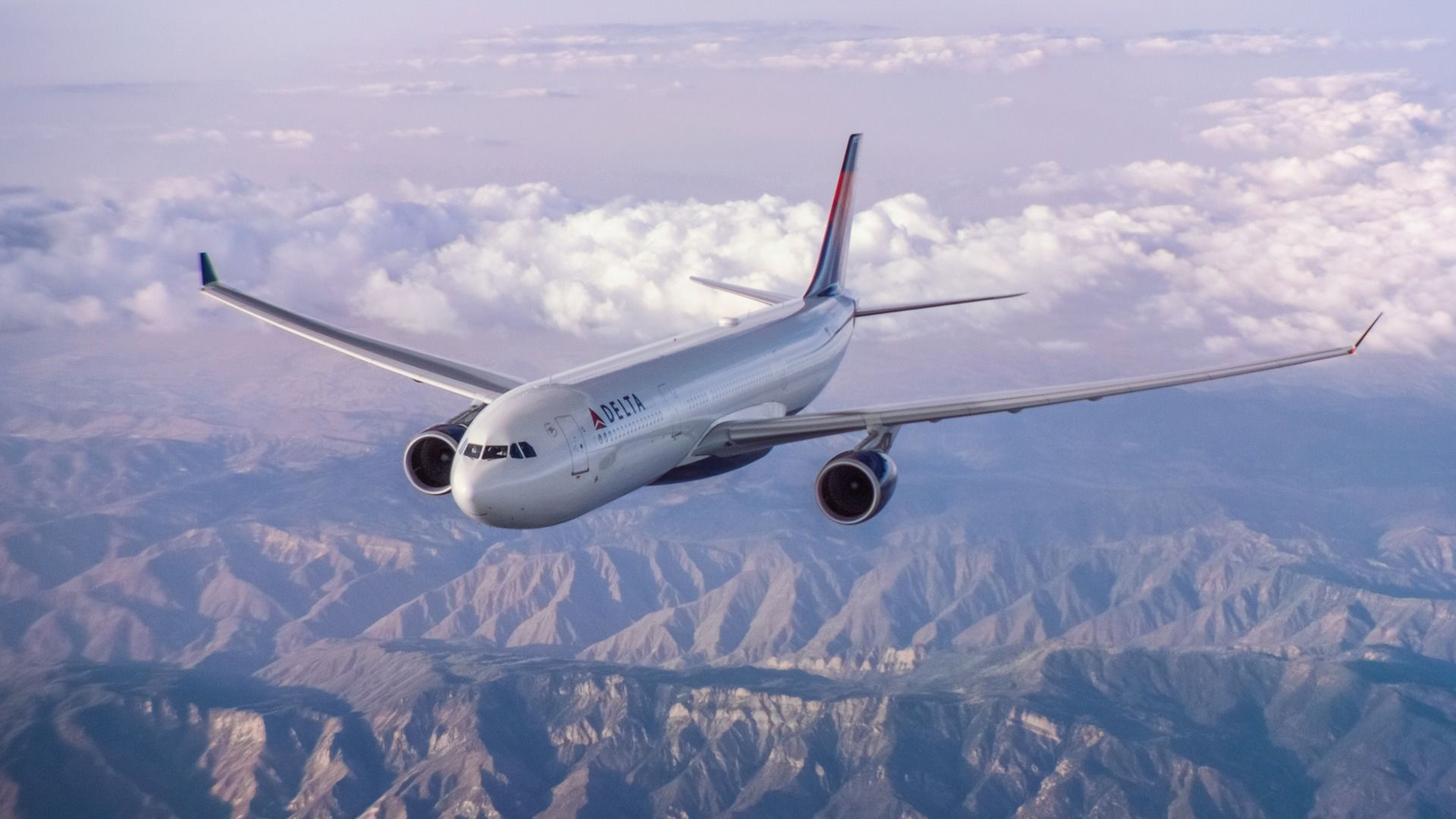
Delta Air Lines is reshaping its long-haul operations by incorporating a modern fleet of Airbus widebody aircraft, specifically the A350 and A330 models. This strategic decision distinguishes Delta from other major US airlines, which predominantly rely on Boeing models. By bolstering its Airbus-dominated fleet with the A350-1000 expected to arrive in March 2026, Delta is set to become the first US airline to operate this extended version of the A350, further solidifying its partnership with the European manufacturer.
The integration of the A350-900, A350-1000, and A330-900neo represents a cohesive approach to fleet modernization. Although the A330 is less advanced, both aircraft families share significant technological similarities, enhancing operational efficiency. Delta aims to expand its international network and upgrade premium cabin offerings to meet the evolving demands of travelers in the post-COVID-19 landscape.
Leveraging Airbus for Long-Haul Expansion
Delta has strategically chosen to consolidate its fleet around Airbus aircraft, moving away from previous Boeing orders, including the cancellation of its inherited 787 Dreamliner purchases in 2016. This decision reflects a preference for Airbus’s reliability and operational efficiency, especially as Delta plans to expand its international routes to regions such as the Middle East, Europe, and Asia.
Currently, Delta is the only US airline operating both the A330-900neo and the A350-900. This exclusive position allows Delta pilots to transition between the two aircraft with minimal additional training. Furthermore, the shared maintenance systems streamline operations for Delta’s TechOps division, which manages the upkeep of the Rolls-Royce Trent engines that power both aircraft families.
The A350’s advanced features, such as the Airspace cabin design, provide a consistent and high-quality passenger experience. Delta’s premium offerings, including Delta One Suites and Delta Premium Select, are now more uniformly implemented across the fleet, enhancing customer satisfaction.
Responding to Market Demands
Delta’s modernization initiative comes in response to significant shifts in the airline industry, notably the grounding of the Boeing 737 Max and the global travel restrictions due to the COVID-19 pandemic. During these disruptions, Delta found that Airbus not only offered high-quality aircraft but also a more stable support network, crucial for maintaining operational continuity.
Despite facing its own supply chain issues, Airbus has demonstrated resilience and adaptability, which contrasts sharply with Boeing’s struggles. The Boeing 777X, for example, has faced extensive delays, with its launch more than five years behind schedule. Meanwhile, Delta’s new fleet of A350-1000s and A330-900neos is set to enhance its long-haul capabilities, allowing the airline to introduce new routes and increase frequency on existing services.
The introduction of the A350-1000 will serve as a flagship for Delta, enabling the airline to offer more premium seating options on the longest international flights. As Delta expands its reach, the A350-900’s fuel efficiency and range are pivotal in launching new routes, such as the upcoming nonstop service from Atlanta to Riyadh, scheduled for October 2026.
With plans for expanded service to nearly 30 European destinations in summer 2026, including new routes to Malta and Nice, Delta is positioning itself to capitalize on growing international travel demand. The airline is also set to enhance its seasonal service to Hawaii, introducing new nonstop flights from Minneapolis to Maui in December 2026.
In conclusion, Delta Air Lines is actively transforming its fleet with Airbus widebody jets, focusing on efficiency and customer experience. This strategic pivot not only enhances Delta’s competitive edge but also reflects broader trends in the aviation industry, emphasizing the importance of modern, reliable aircraft for long-haul operations. As Delta continues to prioritize premium service and international growth, the impact of these aircraft on its operational strategy is poised to resonate across the global airline landscape.