Demonstrations have erupted across Iran, raising urgent questions about the stability of the current regime. The protests began on January 7, 2026, in response to widespread discontent over economic hardships, government policies, and ongoing social restrictions. As thousands took to the streets in cities including Tehran, the government’s response has been both swift and severe, reflecting the regime’s determination to maintain control.
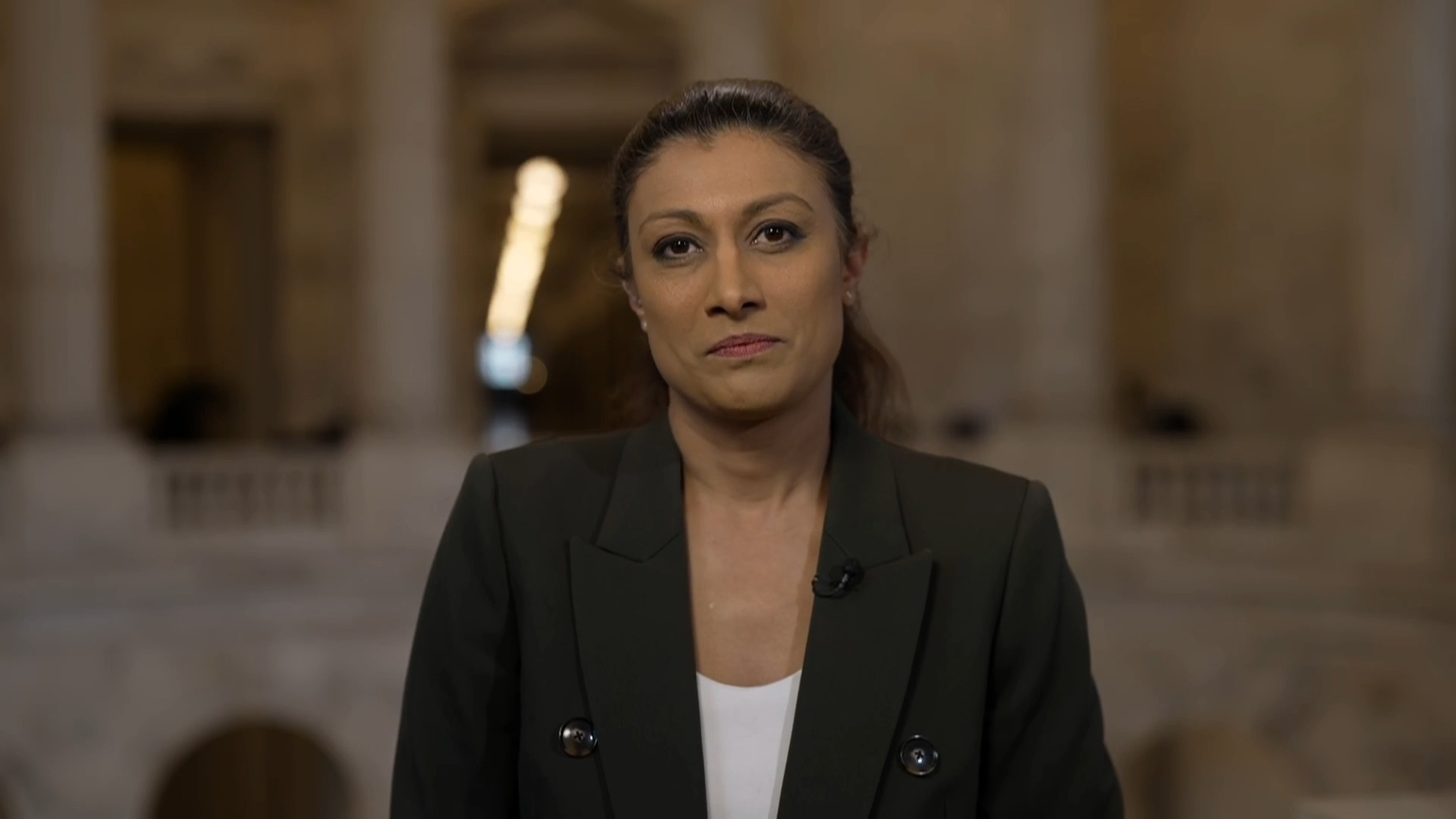
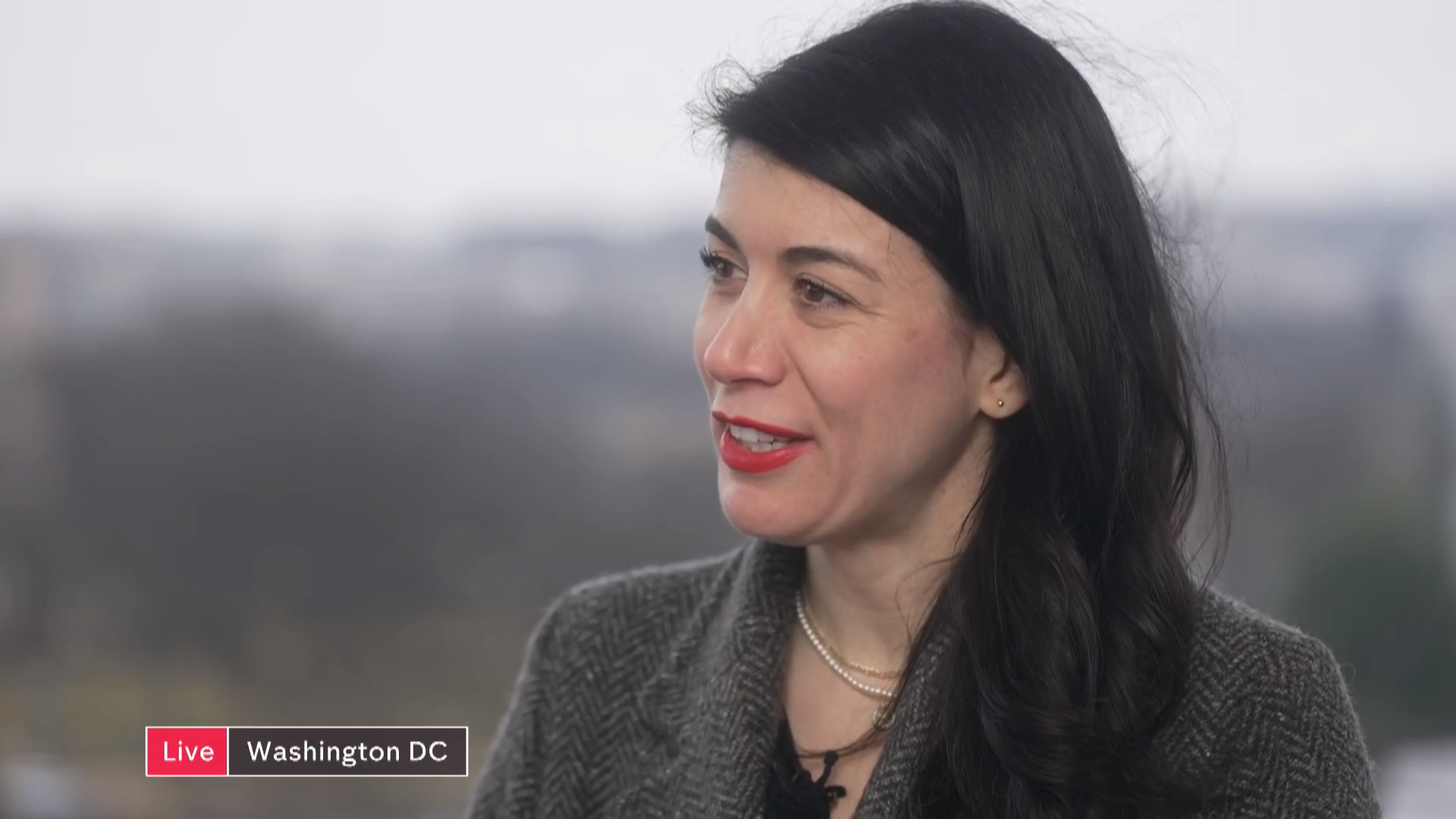
Holly Dagres, a senior fellow at the Washington Institute for Near East Policy, provided insights into the situation. In her analysis, she noted that the protests are fueled by a range of issues, including high inflation, unemployment, and repression of dissent. Dagres emphasized that these protests differ significantly from past movements, as they encompass a broader demographic, including younger generations disillusioned by the regime’s actions.
The Iranian government’s crackdown on dissent has included internet blackouts and a heavy police presence in major urban areas. Reports indicate that over 1,000 protesters have been detained since the demonstrations began. The regime’s heavy-handed approach aims to silence opposition and discourage further protests.
In the face of these challenges, questions arise regarding the regime’s ability to withstand this wave of discontent. Dagres pointed out that while the government has successfully quelled protests in the past, the current unrest reflects deeper societal grievances. The younger population’s aspirations for greater freedoms and economic opportunities may fuel ongoing unrest, making the path forward increasingly complicated for the regime.
The international community is closely monitoring the situation. Various governments and human rights organizations have expressed concern over the treatment of protesters and the suppression of free speech in Iran. The reactions from foreign entities could influence the dynamics within the country, as external pressures may embolden dissenters or provoke harsher crackdowns from the government.
Whatever the outcome, it is clear that the protests represent a significant moment in Iran’s ongoing struggle between the regime and its citizens. The government’s ability to navigate this crisis will be pivotal in determining its future stability. As events unfold, analysts will be watching closely to see how the regime adapts to the evolving landscape of public sentiment and international scrutiny.
In summary, the situation in Iran remains fluid, with the potential for both escalation and resolution. The coming days will be critical, as the regime seeks to maintain control while facing unprecedented public outcry.