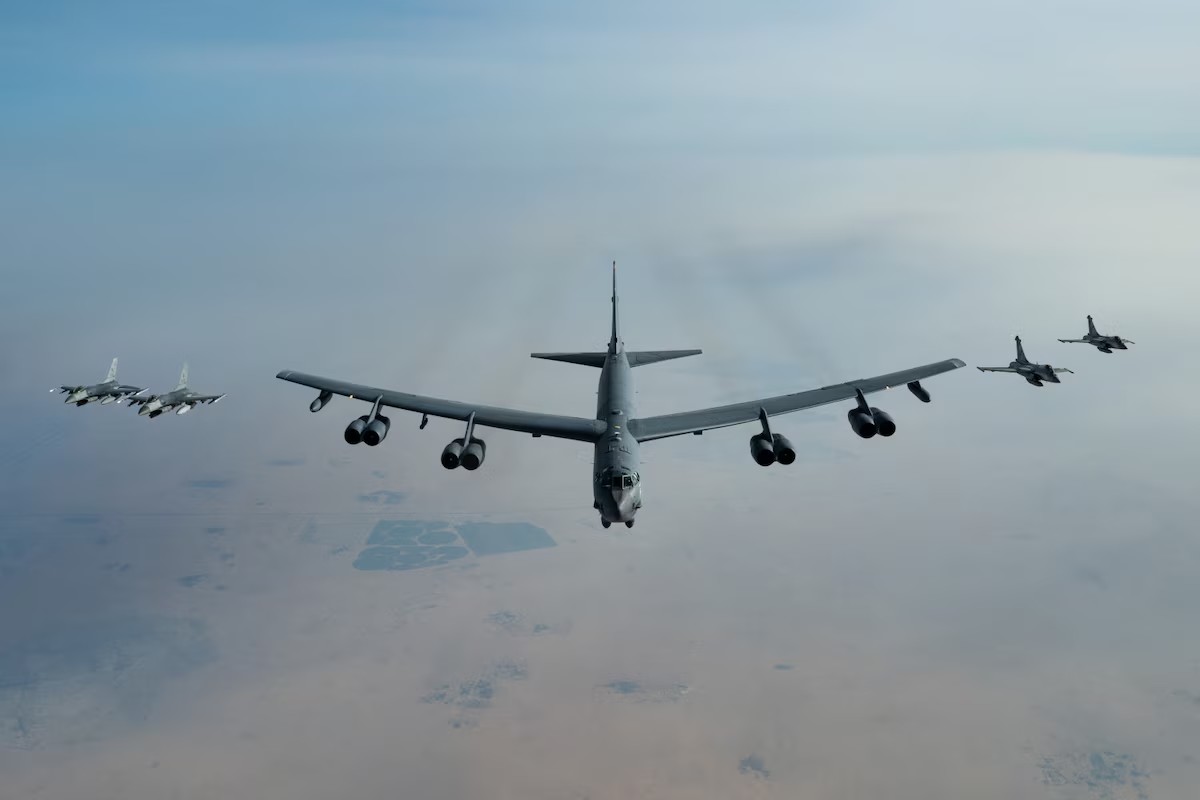
Tensions in the Middle East escalated dramatically over the weekend, culminating in a full-scale war following the breakdown of talks between the United States and Iran. The discussions, held in Geneva, failed to reach a consensus on key issues, including Iran’s nuclear program and its support for militia groups throughout the region. As Donald Trump sought to impose stringent conditions, Iran stalled negotiations, leading to a swift military response from the United States.
The buildup of US military presence in the Gulf and eastern Mediterranean had indicated that a significant confrontation was imminent. Following the breakdown of talks, Trump ordered air strikes targeting multiple sites across Iran. The strikes resulted in the deaths of key Iranian leaders, including Supreme Leader Ali Khamenei, further igniting hostilities. In retaliation, Iran launched missile strikes and drones against several Gulf states, citing the presence of US troops as justification for its actions.
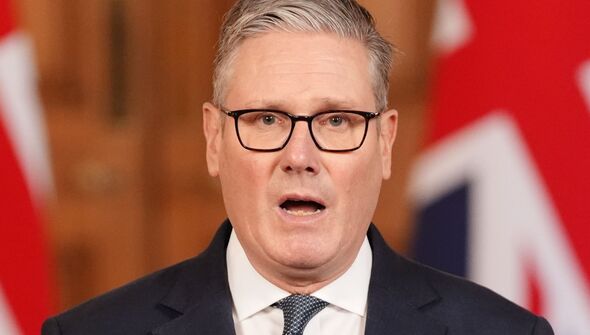
As the conflict unfolded, Saudi Arabia reported a drone strike that set a petrochemical facility ablaze, while other attacks in Dubai damaged civilian infrastructure. The situation has prompted criticism of the UK’s response, with Keir Starmer, the UK leader, being accused of indecision. Initially, he prohibited the use of UK bases for US operations but later indicated that British aircraft could assist for defensive purposes.
With the recent drone attack on RAF Akrotiri in Cyprus, speculation arises that the UK may now be positioned to join military actions against Iran. Starmer’s fluctuating stance reflects the complex balance he faces: supporting a key ally while considering domestic opposition to military engagement.
As the conflict continues, both sides are exchanging strikes. Trump initially anticipated a four-day military campaign, but reports indicate that this could extend to four weeks or longer due to Iran’s aggressive response. A critical aspect of Iran’s strategy is the potential closure of the Strait of Hormuz, a vital passage for approximately 20% of the world’s oil and gas shipments. The US has proactively targeted Iranian naval bases in an effort to counter this threat, aiming to maintain free navigation through the strait.
The conflict has severely disrupted air travel, with many airlines cancelling flights to and from the Middle East. Hundreds of thousands of expatriates and travellers find themselves stranded as the UK scrambles to prepare for potential evacuations. However, without flights operating, the timeframe for repatriation remains uncertain, and many may face extended periods away from home.
In this volatile environment, military and political analysts are closely monitoring developments. The situation remains fluid, and the consequences of the ongoing conflict could have lasting implications for international relations and regional stability.