The declining health of notorious Chechen warlord Ramzan Kadyrov could trigger a surge of violence and instability in southern Russia, posing a significant threat to Vladimir Putin and his regime. Kadyrov, 49, who has ruled the Chechen Republic for over two decades, is reported to be suffering from severe health issues, including chronic kidney and pancreatic conditions. According to the independent Russian outlet Novaya Gazeta, Kadyrov barely survived hospitalisation over the recent holiday season.
Reports from another outlet, Cheka, indicate that Kadyrov is experiencing debilitating pain, requiring strong medications and facing mobility challenges. A Ukrainian intelligence source described his condition as being “at death’s door.” Recent public appearances have shown Kadyrov appearing frail, slurring his words, and using a cane to walk. Despite attempts to dismiss concerns about his health, including posting gym footage, he has recently expressed contemplations about his mortality.
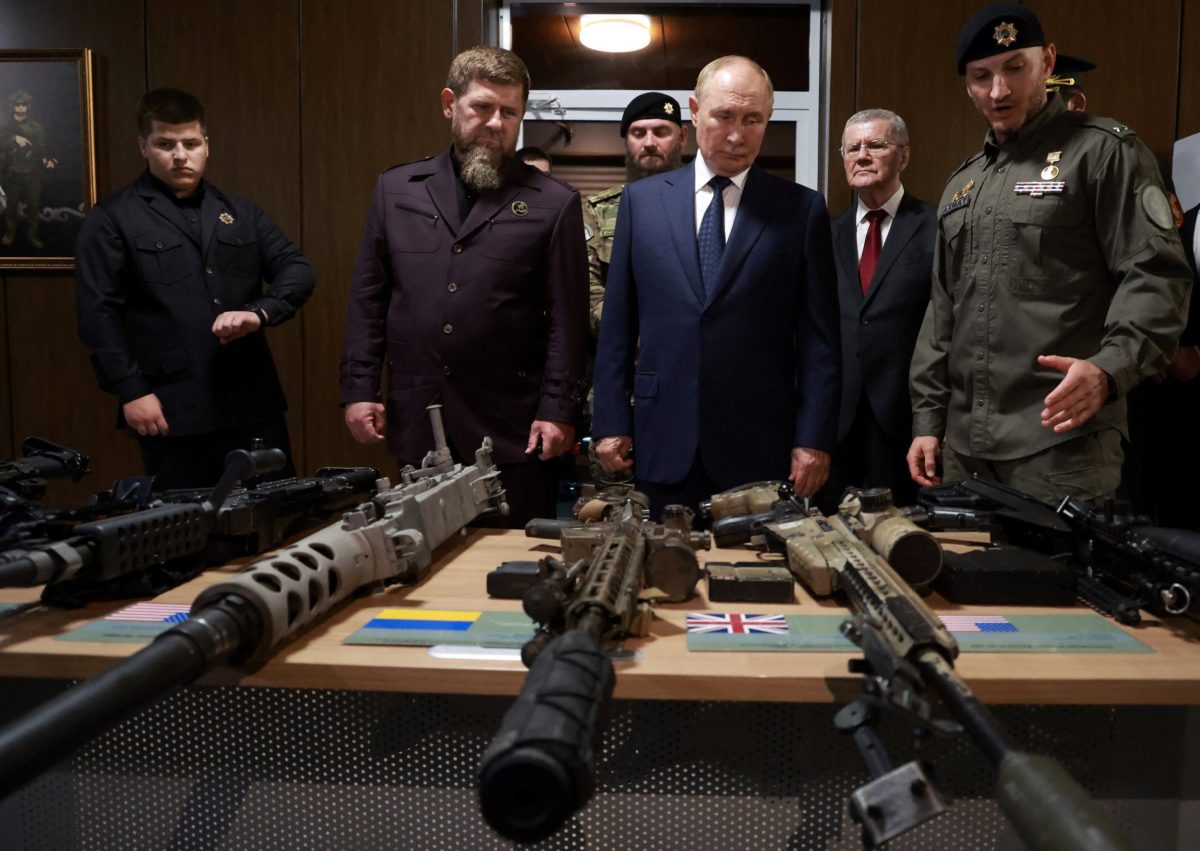
Kadyrov was installed as Chechnya’s president by Putin in 2007 during the second Chechen war, which saw the Russian army brutally suppress a pro-independence uprising. Over the years, he has maintained a close alliance with Putin, characterized by a deal in which Kadyrov would suppress separatist sentiment in exchange for financial support to rebuild Chechnya. This relationship has allowed him to exert significant control, marked by allegations of human rights abuses and a lack of major uprisings in the region.
Potential Unrest Following Kadyrov’s Death
Should Kadyrov pass away, experts predict a potential eruption of violence and chaos in Chechnya. According to Abbas Gallyamov, a former aide to Putin, Kadyrov’s oppressive regime has fostered deep-seated resentment among various Chechen social groups. He warned that the hatred Kadyrov has suppressed could explode following his death, leading to civil unrest and violence.
In addition to the risk of widespread chaos, there is concern about a power struggle within the Kadyrov clan. The youngest of Kadyrov’s sons, Adam, has been positioned as a likely successor, but recent reports suggest he was severely injured in a car accident, complicating succession plans. The Chechen constitution stipulates that a leader must be at least 30 years old, raising questions about interim governance and the potential for infighting among Kadyrov’s supporters.
Gallyamov suggested that the absence of a strong leader could lead to violent confrontations as different factions within the Kadyrov clan vie for power. He stated that the likelihood of violence, including shootings and explosions, could increase as various groups pursue their interests in the absence of Kadyrov’s iron grip.
The Broader Implications for Russia
Kadyrov’s influence extends beyond Chechnya into the wider North Caucasus region. Observers like Max Hess, an expert on Eurasia, argue that his death could create a power vacuum that insurgent groups might exploit. He noted that Kadyrov has been a stabilizing force, keeping various factions in check. The North Caucasus is home to significant grievances against the federal government in Moscow, and any instability in Chechnya could embolden other regions to assert their autonomy.
The potential for unrest in the North Caucasus could also impact the Kremlin’s military capabilities, particularly as Russia continues to engage in conflict in Ukraine. Oleksii Goncharenko, a Ukrainian Member of Parliament, highlighted that the chaos following Kadyrov’s death could distract Russian forces, which are already stretched thin. He noted that Ukraine could support any pro-independence movements that arise in Chechnya, further complicating the situation for Moscow.
In summary, the precarious health of Ramzan Kadyrov raises significant concerns about the future stability of Chechnya and the broader implications for Putin’s regime. The potential for violence and unrest following Kadyrov’s death could challenge the Kremlin’s control, especially in a region already marked by deep-seated grievances and aspirations for autonomy.