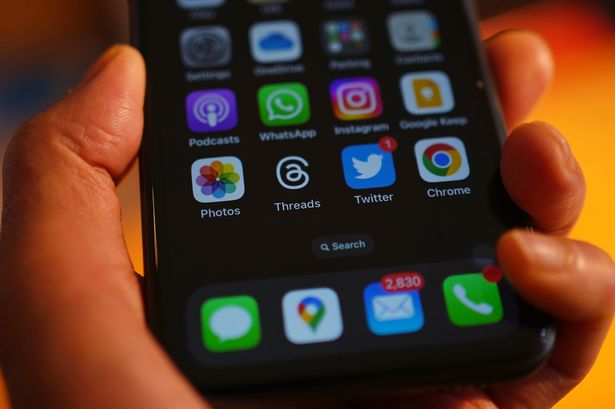
Millions of Instagram users have received unexpected password reset emails following a reported leak of their account details. This alarming situation has prompted urgent warnings from cybersecurity experts, who advise users to exercise caution before clicking any links or responding to these emails.
17 million Instagram accounts are believed to have been compromised by a threat actor known as Solonnik. The sensitive data was allegedly leaked online during an API breach in 2024, which allowed hackers to bypass standard security measures and extract personal information. This extensive dataset was made available for free on the cybercrime forum BreachForums on January 7, 2024.
In light of this incident, experts are urging users to avoid clicking the “Reset Password” button in emails they suspect to be suspicious. Davey Winder, a cybersecurity expert and contributor to Forbes, shared his experience of receiving what appeared to be a legitimate email from Instagram on January 9, 2024. The email claimed that a request had been made to reset his password and included a prominent blue button to initiate the reset. The message warned, “If you ignore this message, your password will not be changed. If you didn’t request a password reset, let us know.”
The significant number of records involved has raised concerns about a possible major security failure within Instagram. While the platform’s parent company, Meta, has not yet confirmed the breach or the validity of these claims, the implications for user security are profound.
As millions of users navigate this unsettling situation, the advice remains clear: if you receive a password reset email that seems unusual, do not engage with it. Instead, users should log directly into their Instagram accounts through the official app or website to check for any notifications or security issues.
With the digital landscape continually evolving, incidents like this highlight the importance of maintaining robust security practices. Users are encouraged to enable two-factor authentication and regularly update their passwords to enhance their protection against potential cyber threats.