The political landscape in Northern Ireland is set for significant shifts as parties prepare for the 2026 elections. Following a lackluster 2025, leaders from major parties, including Sinn Féin and the Democratic Unionist Party (DUP), must enhance their strategies to engage voters effectively.
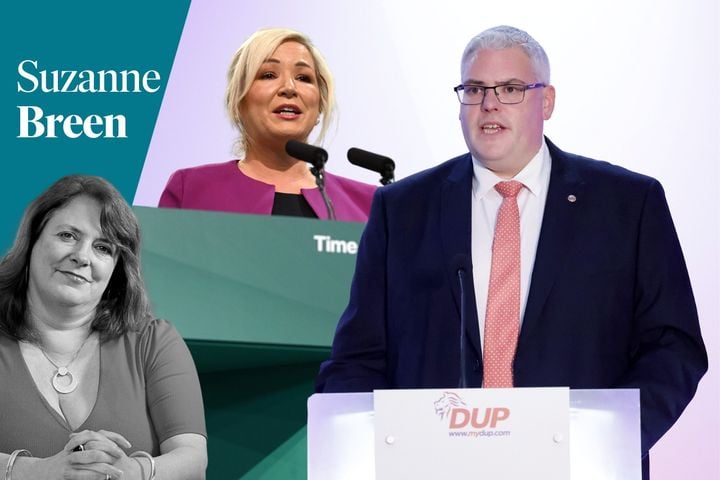
A clear strategy from the DUP, led by Gavin Robinson, will focus on rebuilding support that has slipped to the Traditional Unionist Voice (TUV). The party is expected to adopt a more combative stance in power-sharing discussions with Sinn Féin, particularly as they seek to regain influence in a changing political environment. Robinson, who has been perceived as more moderate in the past, now faces the challenge of appealing to a broader base while navigating the complexities of power-sharing arrangements in Northern Ireland.
Challenges for Sinn Féin and the DUP
As First Minister Michelle O’Neill of Sinn Féin looks ahead, the party’s focus will be on securing wins that resonate with grassroots supporters. The need for tangible achievements will be crucial as Sinn Féin aims to solidify its position in the face of increasing competition. The party is aware that maintaining public support will require not only effective governance but also a clear communication of their successes to the electorate.
The DUP’s hardline approach may resonate with certain voter segments, but it risks alienating those who expect collaborative governance. Robinson’s leadership will be pivotal in determining how effectively the DUP can balance assertiveness with the need for compromise in the power-sharing framework established under the Good Friday Agreement.
Anticipating Voter Sentiment
The upcoming elections will be a litmus test for both parties, revealing the electorate’s sentiments after a year marked by political stagnation. For Sinn Féin, success will hinge on translating policy initiatives into viable outcomes that reflect the needs and desires of their constituents. Conversely, the DUP must navigate the delicate balance of asserting its position while avoiding further fragmentation within unionist support.
As 2026 approaches, the political parties in Northern Ireland face a crucial period of reflection and strategy development. The choices made now will significantly impact not only the future of the parties involved but also the overall political stability in the region. The stakes are high, and both Sinn Féin and the DUP must adapt to the evolving landscape to secure their positions in the forthcoming elections.