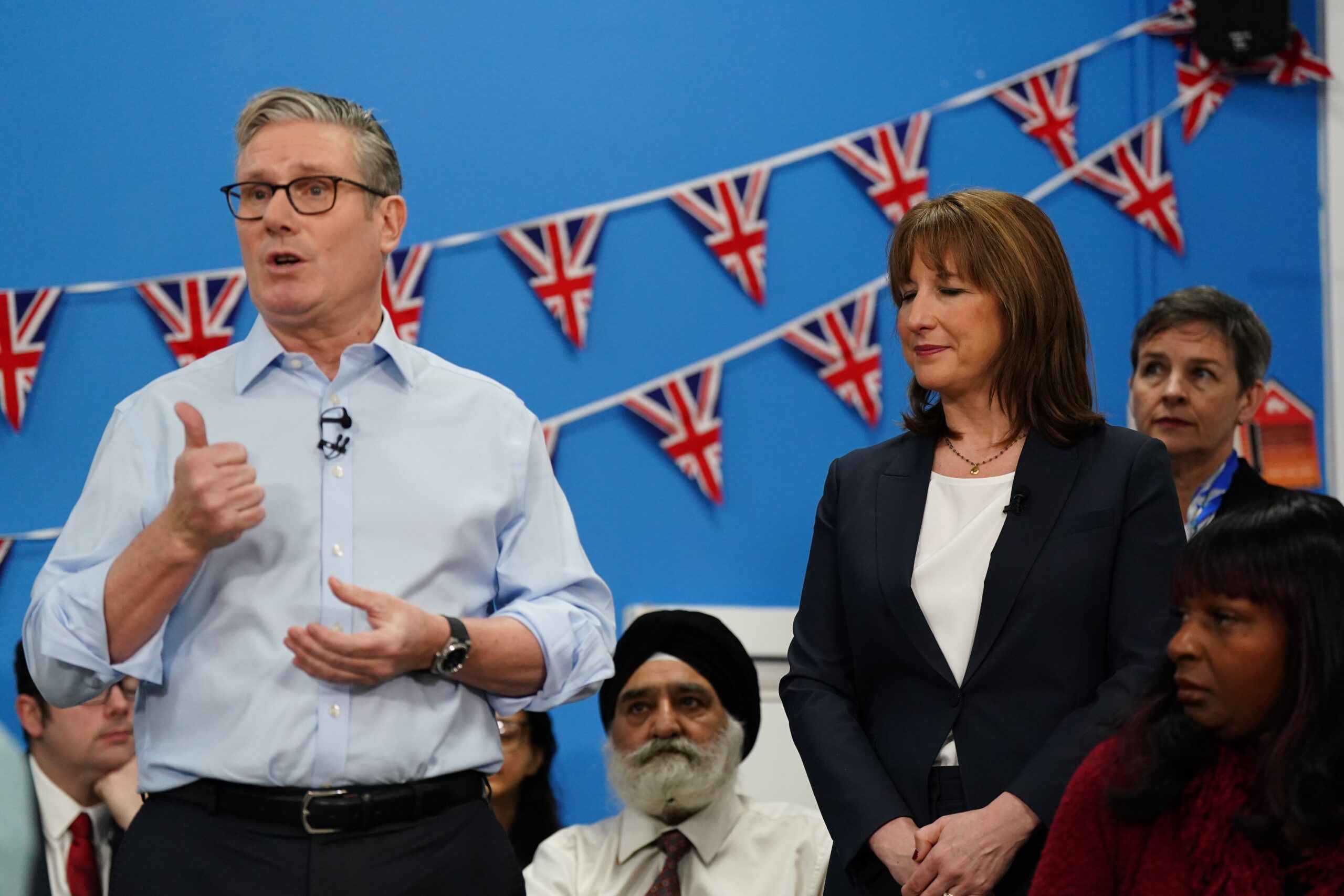
Proposals from the Scottish Labour Party to reduce the number of health boards in Scotland from 14 to three have ignited significant debate within the healthcare community. Anas Sarwar, the leader of Scottish Labour, presented these plans during the party’s recent conference, aiming to streamline operations and focus on patient care. However, Gary Robinson, chairman of NHS Shetland, has expressed concerns that these changes may raise “more questions than answers.”
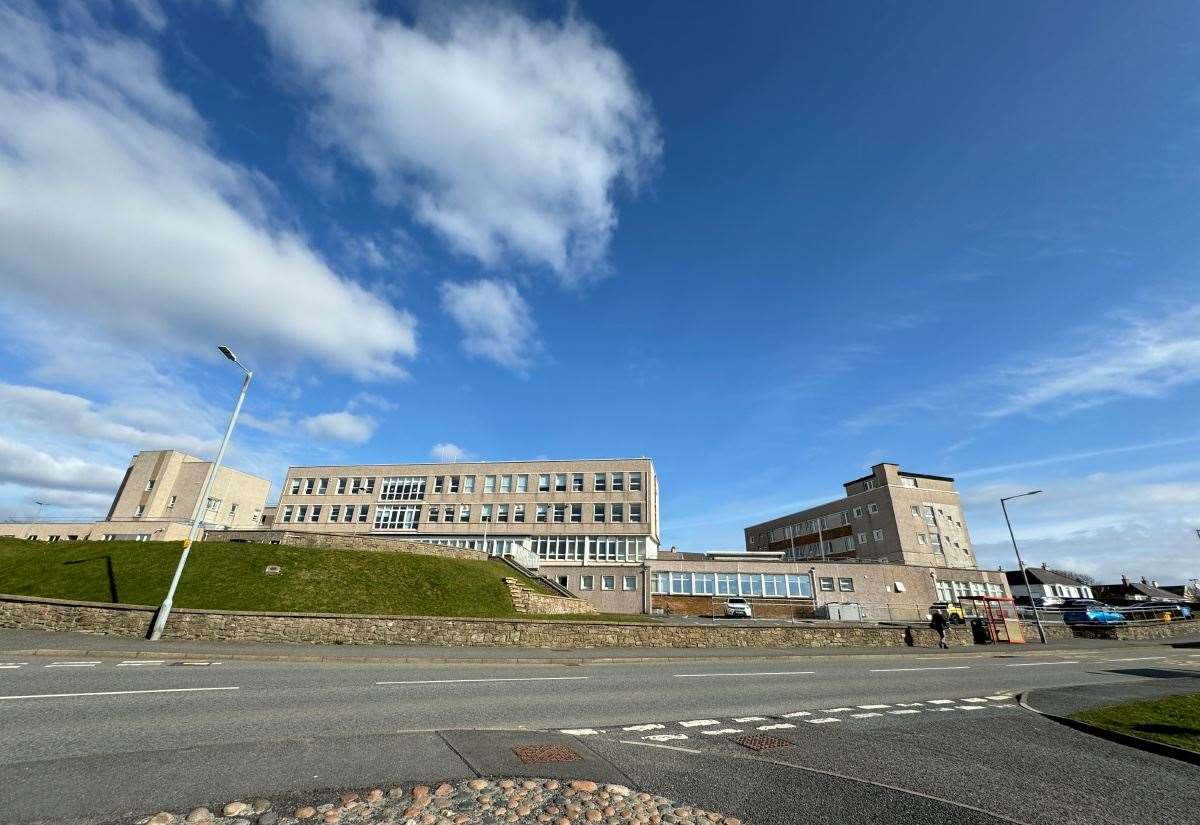
Robinson emphasized that the restructuring initiative could detract from pressing issues facing NHS Shetland, particularly staffing shortages and the need for improvements at the Gilbert Bain Hospital. The hospital’s management has been grappling with recruitment and retention challenges, and has submitted a revised full business case to the Scottish Government for hospital upgrades in December 2023.
According to Robinson, the reduction in health boards merely shifts the focus from crucial operational needs. He stated, “Structural change is actually a distraction from what the NHS needs to be getting on with just now.” He questioned the effectiveness of larger boards in achieving better patient outcomes, suggesting that local boards are more adept at addressing community-specific healthcare needs.
The Labour proposal has received backing from John Erskine, Labour’s candidate for the upcoming Scottish elections in May 2024. Nonetheless, Robinson remains skeptical. He indicated that the changes would likely not resolve the existing challenges and might even lead to a loss of local accountability, reflecting on past experiences with local governance in Shetland.
Robinson articulated his concerns further, stating, “You get better decisions when the decisions are taken closer to the people that the decision will affect.” He underscored that NHS Shetland is accountable to both local ministers and the community, making the proposed structural changes seem counterproductive.
In a similar vein, John Fraser, vice chairman of Shetland’s integrated joint board, echoed Robinson’s sentiments, voicing uncertainty about the advantages of the proposed “super-boards.” He posed critical questions regarding how such a restructuring would address the pressing issues of workforce recruitment, retention, and the management of an ageing estate. Fraser raised concerns about maintaining local governance and accountability, as well as the potential impact on collaboration between health services and social care within Shetland.
Fraser stated, “I would appreciate seeing evidence of how introducing so-called ‘super-boards’ would create solutions for the challenges the NHS faces locally and nationally.” He highlighted the importance of assessing how these changes could affect the existing partnerships that have been crucial for healthcare delivery in the region.
As the discussion unfolds, the Labour Party’s proposal continues to face scrutiny from healthcare leaders in Shetland. With May 2024 elections on the horizon, the implications of these proposed changes could significantly influence the direction of Scotland’s healthcare system and the resources available for local communities.