The government of Montenegro has released an updated list of registered religious communities, revealing that six new groups have been added. As of December 28, 2023, the total number of recognized religious communities in Montenegro stands at 28, comprising 20 recorded and eight registered entities.
The current structure of the list of recorded religious communities remains unchanged since the official register of 2022. In contrast, the list of registered communities has expanded to include six newly established groups. The recorded list features communities that possess legal status, primarily acquired under the Law on the Legal Status of Religious Communities from 1977. Among them are the Jehovah’s Witnesses, the Montenegrin Orthodox Church, and the Islamic Community in Montenegro, among others.
Being included in the Unified Register means that a religious community gains or confirms its legal entity status. This grant of legal recognition allows communities to own property, enter into contracts, hire employees, and appear before courts and government authorities. Communities not registered can still operate, but they lack these rights.
In the list of registered communities, which previously included the Evangelical Church Crossroads and the Jewish Community of Montenegro, six new groups have now been incorporated. These additions are the Salezijanska Community Podgorica, the Buddhist Community in Montenegro, the Diamant Way Buddhism in Montenegro, the Montenegrin Province of the Immaculate Conception Franciscan Sisters, the Archbishopric of Kotor and the Coast, and the Church of Pentecost – Church of All Nations.
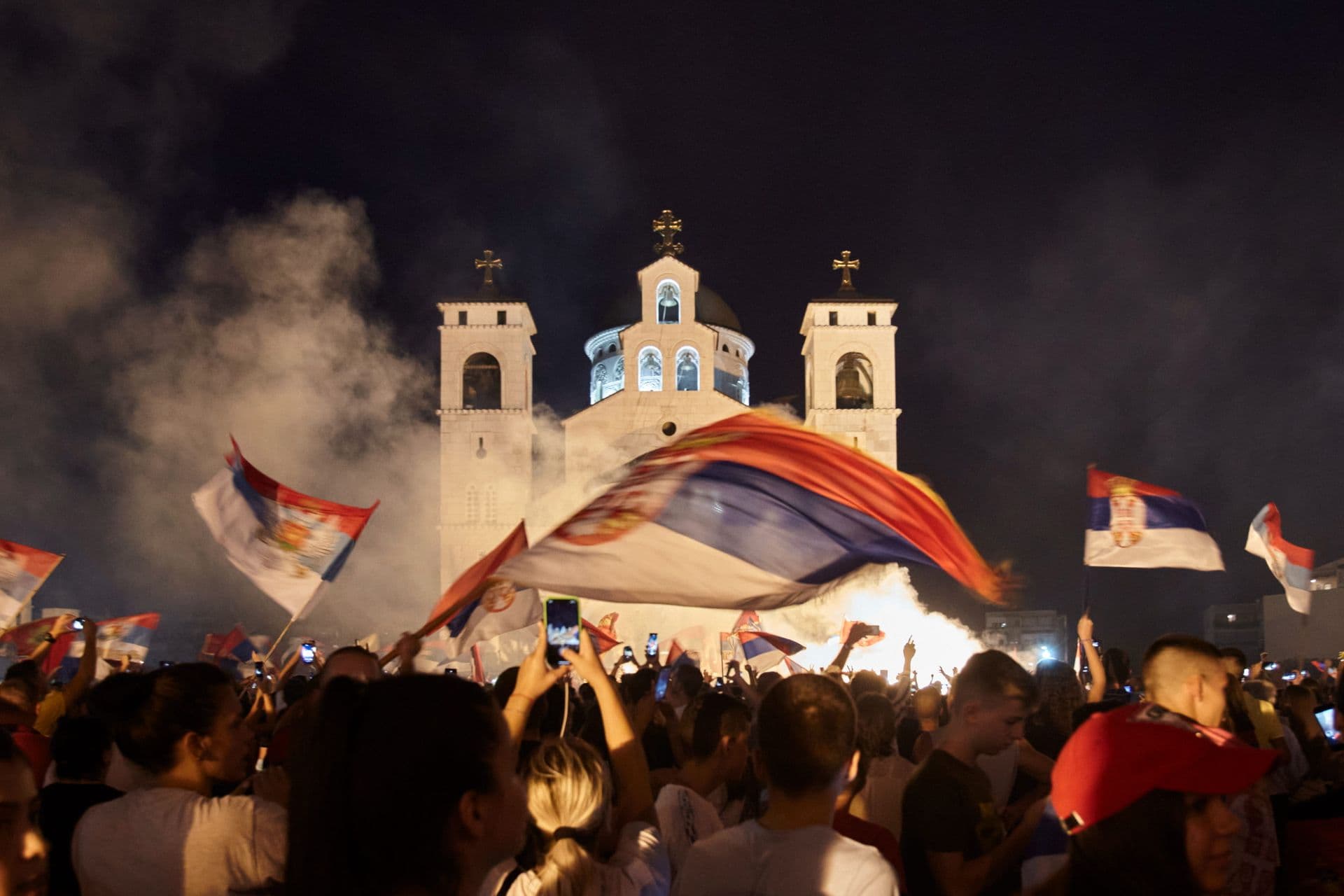
The new Law on Freedom of Religion or Belief and the Legal Status of Religious Communities, adopted in 2020, introduced a unified register and clearly differentiated between existing religious communities that are recorded and newly founded ones that are registered. The issue of registration has been sensitive, with some religious groups, including the Serbian Orthodox Church, questioning the necessity of registration, arguing that it jeopardizes their historical continuity and legal status. The government maintains that this process is not a “re-registration,” but rather an administrative recording of existing communities.
Five years post-adoption of the law, the data indicates an ongoing system that has not seen the deletion of any existing communities, alongside a gradual increase in the number of newly established groups. The registration process seeks to provide a clear framework for religious entities, fostering transparency and legal recognition in Montenegro’s diverse religious landscape.