Recent discussions in cancer prevention have highlighted the importance of dietary choices. While measures such as regular screenings and stress management are vital, experts now emphasize the significant role that specific foods can play in reducing cancer risk. Tricia Scott-Sahler, an oncology dietitian at the Hackensack Meridian John Theurer Cancer Center in New Jersey, has shared insights into foods that may offer protective benefits against cancer.
Scott-Sahler advises that a diet rich in plant-based foods, including leafy greens, fruits, whole grains, and non-animal proteins, is crucial for delivering the necessary vitamins and minerals to support overall health. She notes, “It’s important to remember that no single food can prevent or cure cancer, but rather a consistent dietary pattern plays a role in reducing risk.” Traditional diets, such as the Mediterranean and some Asian diets, have been associated with lower cancer rates due to their focus on diverse plant foods.
The consumption of red meat is also a concern. Research has classified it as a Class 2b carcinogen, indicating a probable link to cancers such as colorectal and stomach cancers. Scott-Sahler emphasizes the importance of incorporating foods that work synergistically to enhance the body’s immune defenses.
Key Foods for Cancer Prevention
Scott-Sahler highlights several foods she considers among the best for cancer protection. One notable entry is shiitake mushrooms. These mushrooms contain beta-glucans, specifically lentinan, which binds to immune cell receptors. This interaction activates the immune system, enhancing its ability to combat cancer cells. In Japan, lentinan is already used in conjunction with chemotherapy for certain cancers, demonstrating its potential to stimulate immune responses effectively.
Another powerhouse food is lentils. Scott-Sahler urges more people to include lentils in their diets, stating, “The food I wish my patients ate more of is humble, affordable and incredibly powerful: the lentil.” A single cup of cooked lentils delivers approximately 16 grams of fiber, which has been shown to reduce the risk of developing colorectal cancer by as much as 47 percent. Lentils are also rich in folate and polyphenols, contributing to their protective properties against cancer.
Sardines, abundant in omega-3 fatty acids, are another recommended food. Scott-Sahler explains, “These marine lipids help control chronic inflammation,” which is linked to cancer development. Studies suggest that regular consumption of fatty fish, including sardines, can significantly lower the risk of various cancers, including prostate and breast cancers.
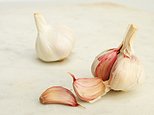
Garlic, along with its relatives such as onions and shallots, is recognized for its powerful health benefits. Active compounds in garlic have been shown to inhibit cancer cell growth and trigger programmed cell death in malignant cells. Research indicates that garlic consumption can reduce the risk of several cancer types, including breast, lung, and colorectal cancers.
Citrus fruits also deserve attention. Emerging studies suggest that compounds in citrus can help defend the body against cancer by neutralizing free radicals and reducing inflammation. A 2015 study found that consuming citrus fruits could cut the risk of mouth and throat cancers by over 50 percent. Scott-Sahler advises opting for whole fruits to maximize benefits, as commercial juices often lack the necessary fiber.
Emerging Trends and Research
Kefir, a fermented probiotic drink, is gaining recognition for its potential anticancer effects. A systematic review published in 2021 found that bioactive compounds in kefir can inhibit cancer cell viability significantly. Animal studies suggest that kefir can promote beneficial changes in gut microbiota, which play a crucial role in overall health.
Lastly, turmeric, a spice rich in curcumin, has been extensively studied for its anti-inflammatory properties. Curcumin interferes with multiple cellular pathways involved in cancer progression and has been shown to protect DNA from damage. Scott-Sahler states, “Curcumin is a potent anti-inflammatory agent that has been shown in laboratory studies to interfere with multiple cellular pathways involved in cancer development and progression.”
As research continues to evolve, the integration of these foods into daily diets could provide significant health benefits. Scott-Sahler’s insights underscore the importance of a balanced, plant-based diet in cancer prevention, emphasizing that dietary choices can play a pivotal role in maintaining health and wellness.