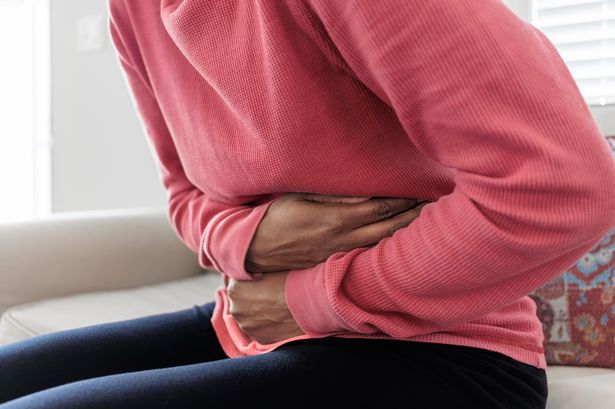
In a recent advisory, Dr Aarthi Sinha, a general practitioner and wellness specialist, highlighted a common hygiene oversight that may increase the risk of diarrhoea and vomiting among gym-goers. She cautioned that failing to properly clean water bottles can lead to the buildup of bacteria, which can subsequently contaminate drinking water.
According to Dr Sinha, neglecting to wash and air out water bottles frequently allows harmful bacteria to accumulate. “If you don’t wash and air your water bottle often enough, this can lead to these bugs building up on the side of the bottle and then getting into the water when the bottle is filled up,” she explained. The consequences of drinking contaminated water can be serious, potentially resulting in gastrointestinal distress.
Daily Cleaning Essentials
To mitigate these risks, Dr Sinha recommends a daily cleaning routine for water bottles, similar to how one would clean tea mugs and coffee cups. She also suggests using sterilising tablets, such as those designed for baby milk bottles, to ensure a thorough clean, provided they are compatible with the bottle material.
Dr Sinha also addressed other gym hygiene practices that should be reconsidered. She warned against using exercise mats that may be soaked in sweat without first wiping them down. “Any bodily fluid contains dead skin cells and bugs from our skin and other secretions,” she noted. This exposure can lead to various infections, including skin conditions and respiratory illnesses.
Safe Gym Practices
Re-wearing gym clothing without washing poses another significant risk. Dr Sinha pointed out that sweat and dead skin cells can linger on gym wear, potentially leading to infections such as impetigo and thrush. She advised gym-goers to turn their clothing inside out before washing on a low temperature and to avoid fabric softeners, which can damage the elasticity of athletic materials.
Research from FitRated underscores the importance of gym hygiene, revealing that free weights can harbor 362 times more bacteria than a toilet seat, while treadmills contain an average of 74 times more bacteria than a public bathroom tap. Further studies indicate that household washing machines can also pose a risk, with 20% showing traces of E. coli, a bacterium known for causing gastrointestinal issues.
“Bodily fluids like sweat, dead skin cells, and even saliva transfer from our bodies to our swimsuits and therefore into the dryer,” Dr Sinha warned. She emphasized the need for vigilance in maintaining cleanliness not only at the gym but also in how we care for our personal items.
As colder months approach, prioritizing hygiene becomes crucial for health. By implementing these simple yet effective practices, individuals can significantly reduce their chances of falling ill and continue to enjoy their fitness routines without disruption.