The aviation industry features a variety of naming conventions, with some companies designating themselves as “airlines,” others opting for “airways,” and still others simply using “air.” These distinctions are largely rooted in marketing strategies rather than significant differences in business models or services. While many airlines have adopted terms like “airlines” or “airways,” names can also reflect local languages or broader aviation themes.
Historical Context of Airline Naming
The terminology used by airlines often traces its origins to earlier modes of transportation, particularly ocean travel. With the rise of air travel in the 20th century, terminology transitioned from maritime to aerial contexts. The term “line” originally denoted a route taken by ocean liners, evolving into terms like “ocean liner” or “air line” as modes of transport diversified. This shift illustrates how new forms of travel often borrow from established terminologies to define themselves.
In the early days of air travel, companies like Eastern Air Lines and Delta Air Lines incorporated “air lines” into their names, reflecting both the legacy of sea travel and the emerging aviation industry. The term “airways” emerged later, referring specifically to designated flight paths in the sky, drawing on the concept of “roads” for navigation.
Airlines Versus Airways
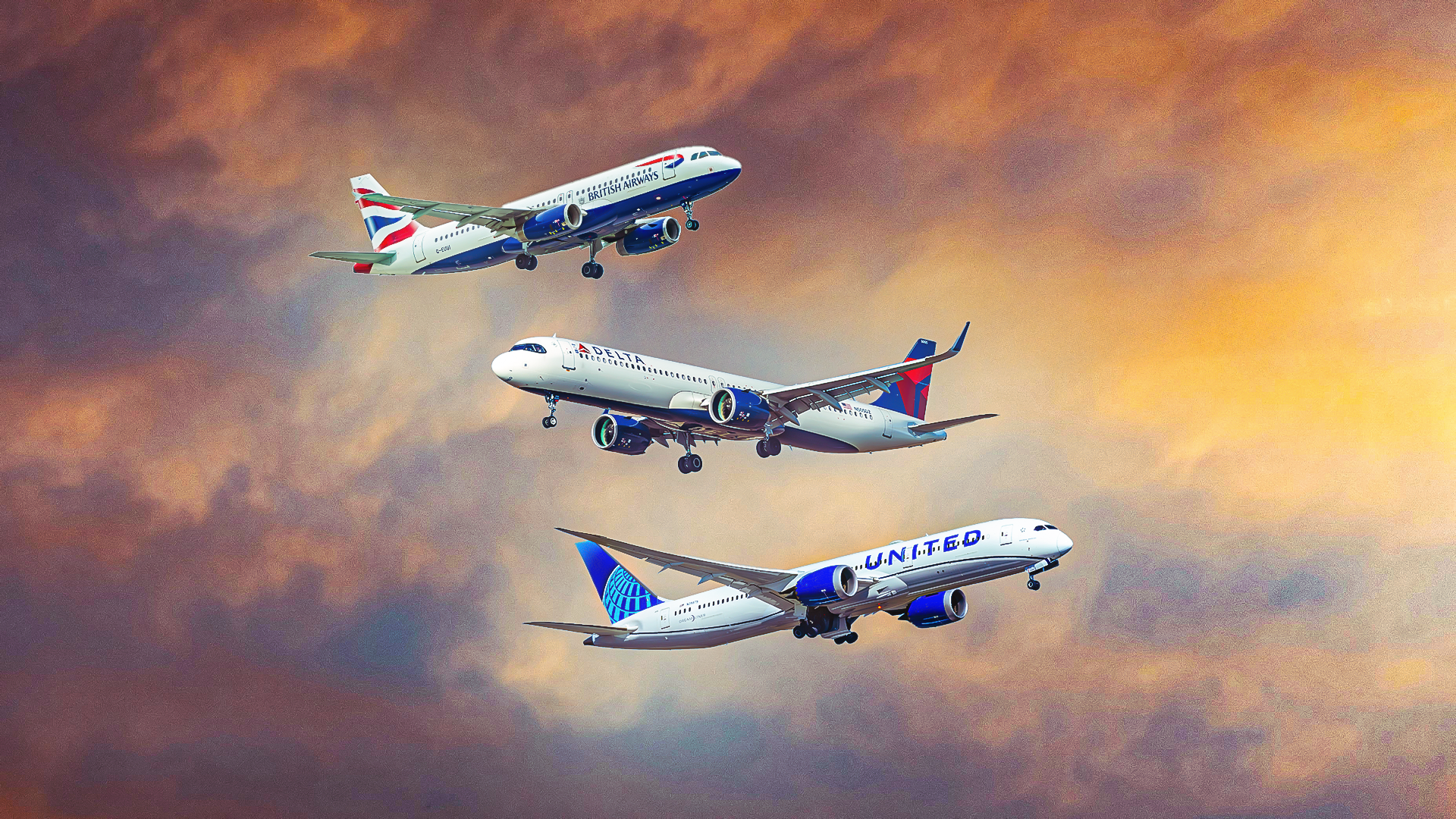
While “airlines” and “airways” might seem interchangeable, they carry different connotations. Major companies such as American Airlines and Southwest Airlines utilize the term “airlines” in their branding. In contrast, British Airways and Qatar Airways emphasize “airways,” suggesting a focus on the routes they traverse.
The distinction has historical roots, as some early U.S. carriers, such as US Airways, adopted “airways” in their names. This choice reflects a broader understanding of flight as an extension of existing transportation routes, akin to railways and roads. The terminology is also influenced by regional preferences, with British usage favoring “airways” more prominently than in the United States.
The choice between “airlines” and “airways” ultimately stems from branding strategies and market positioning rather than technical differences. Both terms serve to identify companies operating in the aviation sector while evoking specific imagery related to air travel.
The Role of Spelling and Language
The evolution of spelling in airline names further highlights the flexibility of language. Initially, “air line” and “airline” were both commonly accepted. Over time, as industry standards solidified, the single-word form became more prevalent, with “airline” gaining widespread acceptance. Notably, Delta Air Lines remains one of the few major airlines to retain the older spelling, a nod to its long-standing heritage since its establishment in 1925.
In contrast, many airlines from non-English-speaking countries have opted for names that reflect local languages. For instance, Aer Lingus translates to “Air Fleet” in Irish, while Lufthansa combines “Luft,” meaning air, with “Hansa,” referencing the historical trading alliance. This use of local language further illustrates how airlines navigate cultural identity and global branding.
Ultimately, the naming conventions of airlines are a blend of historical context, marketing strategy, and cultural significance. As the industry continues to evolve, the choice of names will likely reflect ongoing trends in travel and communication.
In conclusion, understanding the differences between “airlines,” “airways,” and “air” helps clarify the broader landscape of the aviation industry. Although these terms may appear similar, they convey distinct meanings shaped by history, language, and marketing decisions.