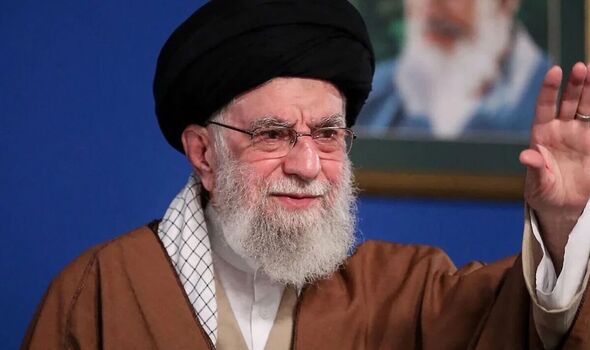
Ali Khamenei, the Supreme Leader of Iran, has publicly criticized Donald Trump, the former President of the United States, attributing the rising protests in Iran to external influences, particularly from the U.S. Khamenei’s comments come against the backdrop of widespread demonstrations across Iranian cities, where citizens have expressed discontent over economic conditions and government policies.
Protests Sparked by Economic Strain
The protests, which began in late September 2023, have gained momentum as citizens voice their frustrations over inflation, unemployment, and restrictions on personal freedoms. Khamenei’s remarks were made during a televised address, where he accused Trump of meddling in Iran’s internal affairs and called on him to “focus on the problems in America” instead.
In a direct appeal to the U.S. administration, Khamenei stated, “If you want to help, fix your own problems.” This statement seems to reflect a broader strategy to deflect criticism of the Iranian government by redirecting attention to issues facing the United States.
International Response and Implications
The Iranian leader’s comments have sparked discussions among political analysts regarding the implications for U.S.-Iran relations. Some experts argue that such statements could further complicate diplomatic efforts aimed at addressing nuclear negotiations and regional stability.
Protests in Iran have reportedly included thousands of participants, with some demonstrations leading to confrontations with law enforcement. Reports indicate that the government has responded with increased security measures, including internet blackouts in various regions.
The international community is closely monitoring the situation, as calls for reform and greater freedoms resonate with citizens across the globe. The Iranian government’s handling of these protests may have significant repercussions, both domestically and internationally.
As the situation develops, both Khamenei’s rhetoric and the protests reflect the deep-rooted challenges facing Iran today, highlighting a complex interplay between domestic issues and international relations.