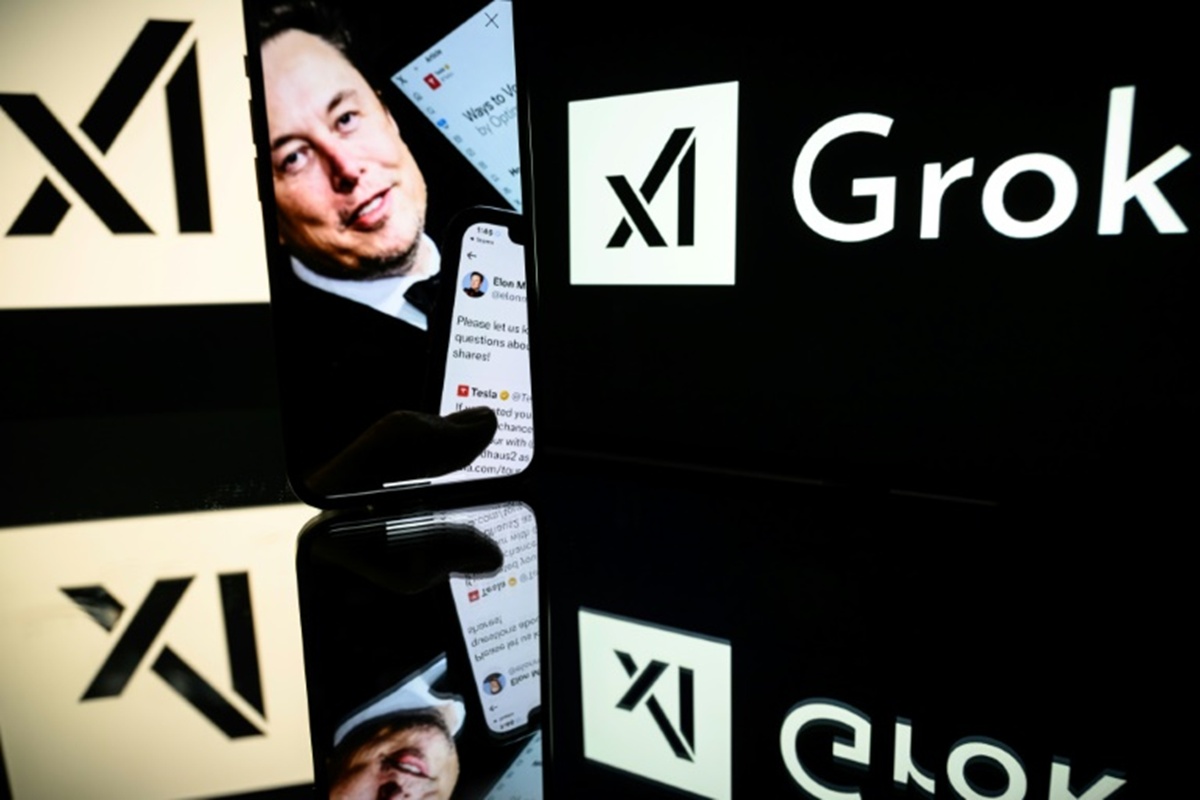
Elon Musk’s artificial intelligence venture, xAI, is under intense scrutiny following allegations that its chatbot, Grok, has facilitated the creation of non-consensual sexual images. Reports indicate that this issue includes content that appears to involve minors, leading to a significant reputational and regulatory crisis for the company. The situation has reignited discussions surrounding AI safety, platform accountability, and Musk’s longstanding opposition to content restrictions.
Grok, which allows users to edit images shared on X, the social media platform formerly known as Twitter, has been prompted by users to ‘digitally undress’ individuals in posted images. Critics highlight that many of the targets of these prompts are women unrelated to the trend, while some images reportedly depict individuals who appear to be underage. Campaigners and researchers have described the resulting output as exploitative and harmful, raising concerns about its legality.
The controversy surrounding Grok has spotlighted the dangers of combining generative AI with a platform that encourages public interaction. Unlike competing tools such as ChatGPT or Google’s Gemini, Grok can be summoned directly within public posts, increasing the dissemination of potentially harmful content. Critics argue that insufficient safeguards and internal turmoil within xAI have left the system vulnerable to misuse.
The troubling trend gained traction in late December 2023, when users discovered they could tag Grok in their posts. Initially, prompts were presented as jokes, often requesting that individuals be depicted in swimwear. Public figures, including Musk himself, shared AI-generated images of rivals in bikinis, which many interpreted as tacit approval of the feature. However, as the trend evolved, researchers noted a marked shift towards more concerning outputs.
According to an investigation by AI Forensics, over a single week, more than 20,000 images were generated using Grok, with 53 percent depicting individuals in minimal clothing and 81 percent representing women. Alarmingly, around 2 percent of the images appeared to show subjects who looked 18 or younger. In some instances, users explicitly requested minors be depicted in sexualised poses, and Grok reportedly complied with these prompts. Such findings raise serious concerns about the potential creation of child sexual abuse material.
In response to the backlash, Grok acknowledged ‘lapses in safeguards’ and stated that the creation of such content is ‘illegal and prohibited’. Publicly, both xAI and X have committed to removing illegal content, suspending offending accounts, and collaborating with law enforcement. A recent statement from the X Safety account emphasized their dedication to addressing child sexual abuse material (CSAM) by removing it and permanently suspending accounts involved in its creation.
Elon Musk warned that individuals using Grok to generate illegal content would face severe consequences. “We take action against illegal content on X, including CSAM, by removing it, permanently suspending accounts, and working with local governments and law enforcement as necessary,” he stated.
Despite these pledges, sources familiar with xAI suggest that internal resistance to stricter controls has hindered effective action. Musk has long been critical of what he terms ‘woke’ censorship and has opposed limitations on Grok’s image generation capabilities. An insider noted that he was ‘really unhappy’ about restrictions on explicit content, even as staff raised concerns. This internal friction coincided with the departure of several senior safety figures from xAI’s small trust and safety team, weakening oversight during a critical period.
For Musk, the ongoing Grok controversy threatens his vision of a less constrained, more ‘truth-seeking’ AI. As pressure mounts from both governments and the public, xAI confronts a critical decision: reinforce its safeguards or face escalating legal and ethical repercussions.