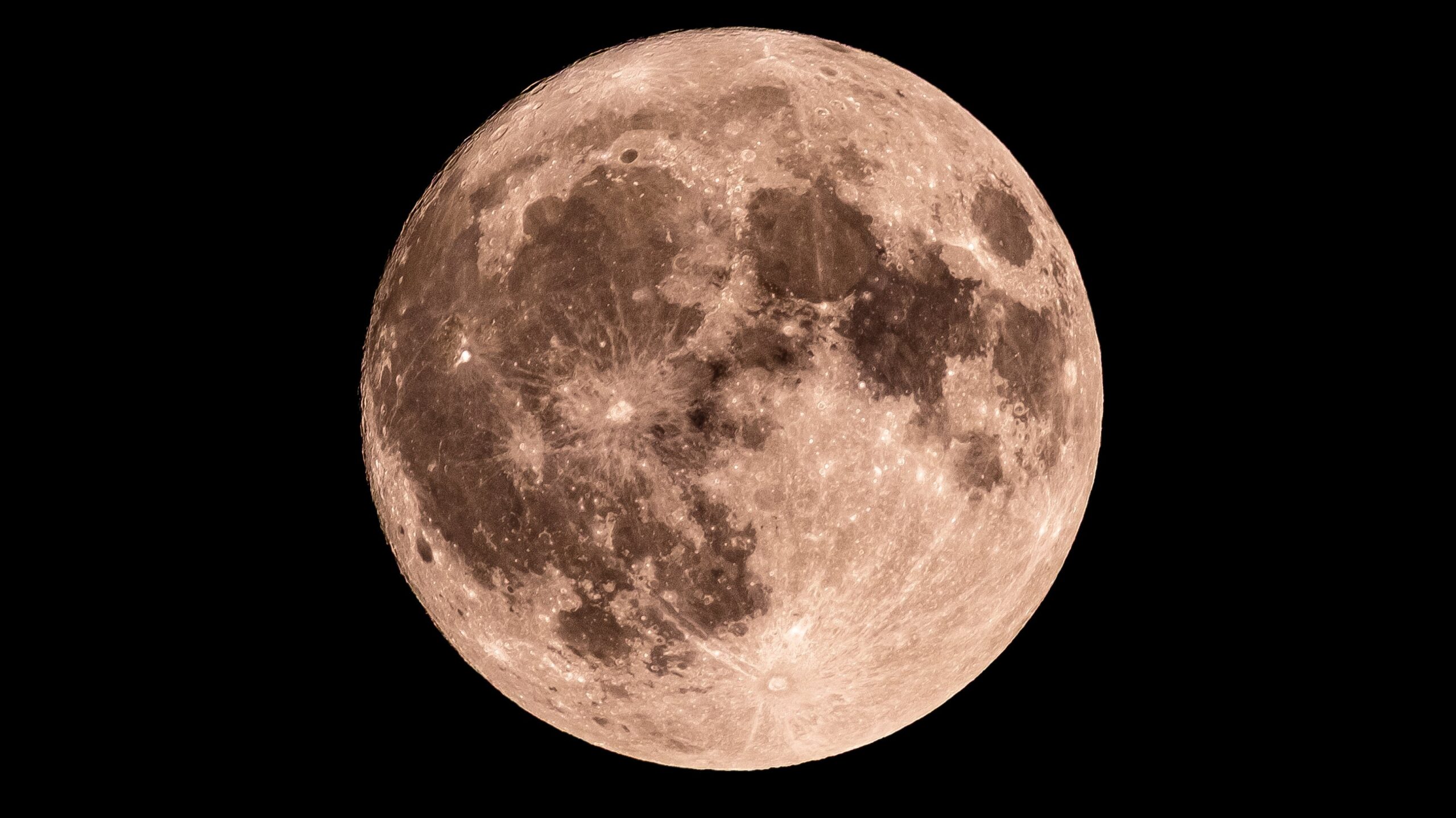
The Moon enters its waning phase today, January 4, 2024, appearing as a Waning Gibbous. As the lunar cycle progresses, the Moon is currently illuminated at an impressive 98.6%, providing a captivating view for stargazers. This phase follows the recent Full Moon and will gradually decrease in brightness until it reaches the New Moon.
The Lunar Cycle Explained
Understanding the lunar cycle is essential for appreciating the different phases of the Moon. According to NASA, the Moon takes approximately 29.5 days to complete a full cycle around the Earth. During this time, it transitions through eight distinct phases, each characterized by varying degrees of illumination.
The phases are as follows:
– **New Moon**: The Moon is positioned between Earth and the sun, rendering it invisible from our perspective.
– **Waxing Crescent**: A small sliver of light becomes visible on the right side.
– **First Quarter**: Half of the Moon’s surface is illuminated, creating a half-moon appearance.
– **Waxing Gibbous**: More than half is lit but not yet full.
– **Full Moon**: The entire face of the Moon is visible and fully illuminated.
– **Waning Gibbous**: The Moon begins to lose light, with the right side dimming.
– **Third Quarter**: Another half-moon, but with the left side illuminated.
– **Waning Crescent**: A thin sliver of light remains visible before the cycle resets to the New Moon.
Upcoming Lunar Events
As the Moon wanes, many enthusiasts are already looking forward to the next significant lunar event. The following Full Moon is set to occur on February 1, 2024, promising another opportunity for skywatchers to witness the Moon’s full beauty.
The phases of the Moon have intrigued humanity for centuries, influencing cultures, calendars, and even agricultural practices. As the lunar cycle unfolds, it serves as a reminder of the constant changes in our natural world, inviting exploration and appreciation of the celestial bodies that surround us.