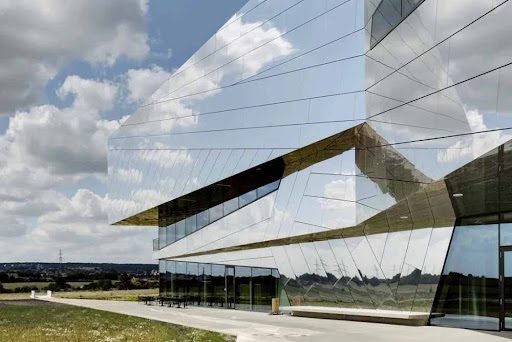
UPDATE: New reports confirm that architectural metal cladding systems are transforming modern construction as of July 2023. These innovative materials are rapidly gaining popularity for their exceptional durability, aesthetic flexibility, and sustainability. As architects and builders worldwide strive for cutting-edge designs, metal cladding is emerging as a game-changer in the industry.
Architectural metal cladding offers significant advantages that are relevant now more than ever. This material not only enhances the visual identity of buildings but also meets pressing environmental and functional demands. With customizable options in colors, finishes, and patterns, designers are empowered to create unique facades that align with contemporary architectural principles.
Why This Matters NOW: As cities expand and environmental standards tighten, the construction industry needs solutions that balance aesthetics with sustainability. Architectural metal cladding provides a robust answer, allowing for energy-efficient designs that reduce long-term maintenance costs. This is crucial for both urban and coastal developments where weather conditions can be challenging.
Architects are leveraging modern fabrication techniques, including CNC technology, to create precision-engineered panels that fit seamlessly into innovative designs. The lightweight nature of these materials significantly reduces structural stress, making them ideal for high-rise buildings and renovation projects. The ability to transport and install these panels swiftly also accelerates project timelines, ensuring timely completion.
The durability of architectural metal cladding cannot be overstated. These materials withstand corrosion, impacts, and extreme weather conditions while maintaining their structural integrity and aesthetic appeal. Reports indicate that the lifespan of metal cladding far exceeds that of traditional materials, translating to lower lifecycle costs and less frequent replacements.
Moreover, the growing emphasis on sustainability aligns perfectly with the adoption of metal cladding. Recyclable materials like aluminum, steel, and copper not only minimize waste but also contribute to green building certifications such as LEED and BREEAM. This shift towards environmentally friendly construction practices resonates with architects and builders who are keen on reducing their ecological footprint.
In addition to environmental benefits, metal cladding systems are designed for minimal maintenance. Unlike traditional facade materials, metal surfaces resist dirt, stains, and corrosion, ensuring that buildings retain their sleek appearance with little upkeep. This not only saves time and resources but also enhances the long-term value of architectural investments.
As the trend for architectural metal cladding continues to rise, industry experts urge builders and architects to embrace these advanced materials. The integration of metal cladding systems with other materials such as glass and concrete creates harmonious exteriors that are both visually appealing and functionally superior.
What’s Next: The architectural community is closely watching the evolution of metal cladding technologies. Future developments may further enhance customization and sustainability features, making these systems even more attractive for modern architecture. As construction demands evolve, staying informed about these innovations will be essential for industry professionals.
In summary, architectural metal cladding systems are not just a passing trend; they represent a significant leap forward in construction technology. With their combination of durability, aesthetic diversity, and environmental friendliness, these materials are shaping the future of architectural design. As the industry moves forward, the impact of metal cladding on building practices will be felt for years to come.