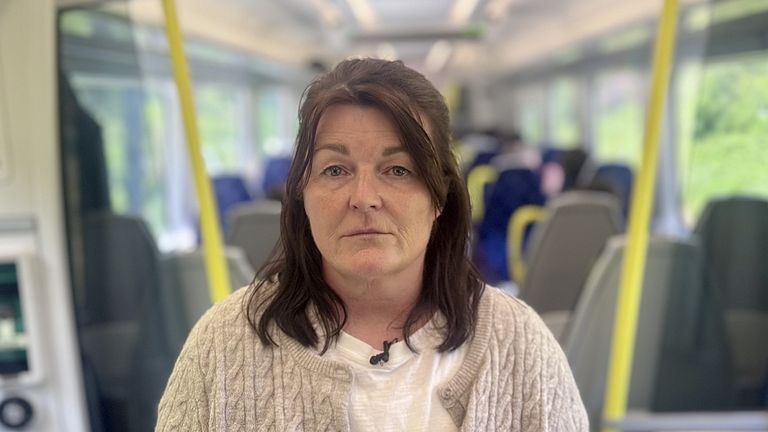
ScotRail has decided to replace its AI voice, Iona, following a complaint from voiceover artist Gayanne Potter. She raised concerns that her recordings were utilized without her consent in the creation of the AI model. As a result of this issue, the rail operator has opted to select one of its own employees to serve as the voice for the AI, ensuring that all necessary permissions are secured moving forward.
This decision highlights the growing complexities surrounding the use of artificial intelligence in the public domain, particularly regarding intellectual property rights. ScotRail announced the changes in a statement released on October 5, 2023, confirming their commitment to ethical practices in the development of technology.
Background of the Controversy
The controversy began when Potter, who has worked extensively as a voiceover artist, discovered that her voice recordings were incorporated into the AI model without her approval. She expressed her dissatisfaction through social media, emphasizing the need for artists to maintain control over their work.
In her statement, Potter indicated, “Artists should be consulted and compensated for the use of their voices in AI technologies.” This sentiment has resonated with many in the creative industry, who are increasingly concerned about the implications of AI in their fields.
Following the backlash, ScotRail took immediate action to address the situation. The company acknowledged the importance of respecting artists’ rights and moved to find a solution that would prevent similar issues in the future.
ScotRail’s Commitment to Ethical AI Practices
In light of the incident, ScotRail has emphasized its dedication to ethical practices in technology development. By selecting an employee to voice the AI, they aim to ensure that all necessary permissions are granted and that the rights of voiceover artists are respected.
The decision reflects a broader trend among companies to consider the ethical implications of AI technologies. As AI becomes more prevalent in various industries, organizations are increasingly called upon to prioritize transparency and consent when utilizing creative works.
ScotRail’s approach may set a precedent for how companies navigate the intersection of technology and intellectual property. As the conversation around AI continues to evolve, it remains crucial for organizations to engage with artists and stakeholders to foster a responsible and inclusive environment.
In conclusion, the replacement of the AI voice Iona with a human voice reflects a growing awareness of the ethical considerations surrounding artificial intelligence. As companies like ScotRail adapt to these challenges, the industry may see more nuanced policies that prioritize the rights and contributions of artists in the age of technology.