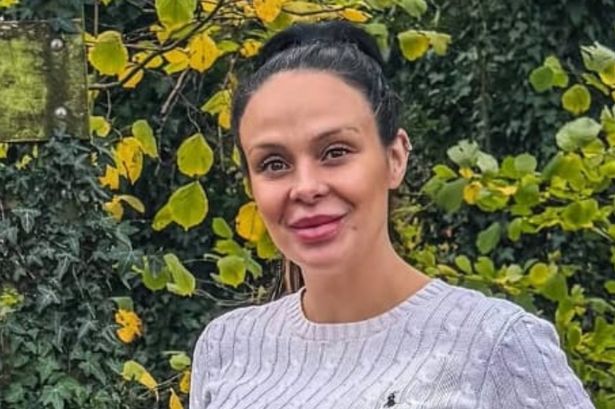
Monica Mares, a 36-year-old woman from New Mexico, faces serious legal consequences after developing a romantic relationship with her biological son, Caleb. This unusual and troubling situation began when Caleb, now 19, sought to reconnect with his birth mother through Facebook. The pair’s reunion, which took place around Christmas, quickly escalated into a controversial relationship that has drawn significant media attention and public outrage.
Mares gave birth to Caleb when she was only 16 years old. Following his birth, she made the difficult decision to place him for adoption, believing it was the best choice for both their futures. For nearly two decades, they remained apart, with no communication or contact. This changed when Caleb, seeking answers about his origins, reached out to Mares online. After several weeks of messaging, they agreed to meet in person.
Their initial meeting soon led to an unexpected development. Following their encounter, Mares disclosed to Caleb that she was experiencing strong feelings for him, which she described as “crazy.” “I’m sorry I don’t know how you are going to react to this. I’m your mum and you’re my son, but I’m falling in love with you,” she reportedly said. To her surprise, Caleb admitted he felt the same way. As a result, he moved in with her shortly thereafter, and their relationship quickly turned intimate.
The couple attempted to keep their relationship private, but suspicions arose among neighbours. Tensions escalated when police were called to their residence following a reported argument. During the investigation, authorities discovered the nature of their relationship, leading to both Mares and Caleb being arrested. Under New Mexico law, incest is classified as a fourth-degree felony, resulting in serious charges against them.
Following their arrest, both were released on bail but prohibited from contacting each other. Since this incident, Mares has expressed feeling threatened, stating she has received death threats and warnings related to the legal ramifications of their relationship. Despite these challenges, she maintains that her feelings for Caleb are genuine and worth the risk. “If they lock me up for love then they lock me up,” she declared. “There is no way anybody could pull us apart, and I really do love him.”
Caleb has echoed Mares’ sentiments, asserting that he never viewed her as his mother in the traditional sense. “I never had anyone cook me meals or give me anything,” he explained. “I never got anything my entire life, and she went out of her way to make me happy.” He further elaborated that their relationship felt normal to him, comparing it to meeting someone new at a social gathering.
Experts in psychology and family dynamics have raised concerns about the inherent power imbalances in relationships that involve a parent and child. These specialists warn that such dynamics can complicate consent and emotional well-being. However, Mares dismisses these warnings, suggesting that if she had raised Caleb, their relationship would have likely never developed in this manner. “It felt like I met somebody new and fell in love with him,” she stated.
The case has sparked extensive debate regarding the boundaries of familial relationships, the nature of consent, and societal norms. As the legal proceedings unfold, the implications of this case will likely resonate beyond New Mexico, raising critical questions about family ties and personal freedoms in relationships.