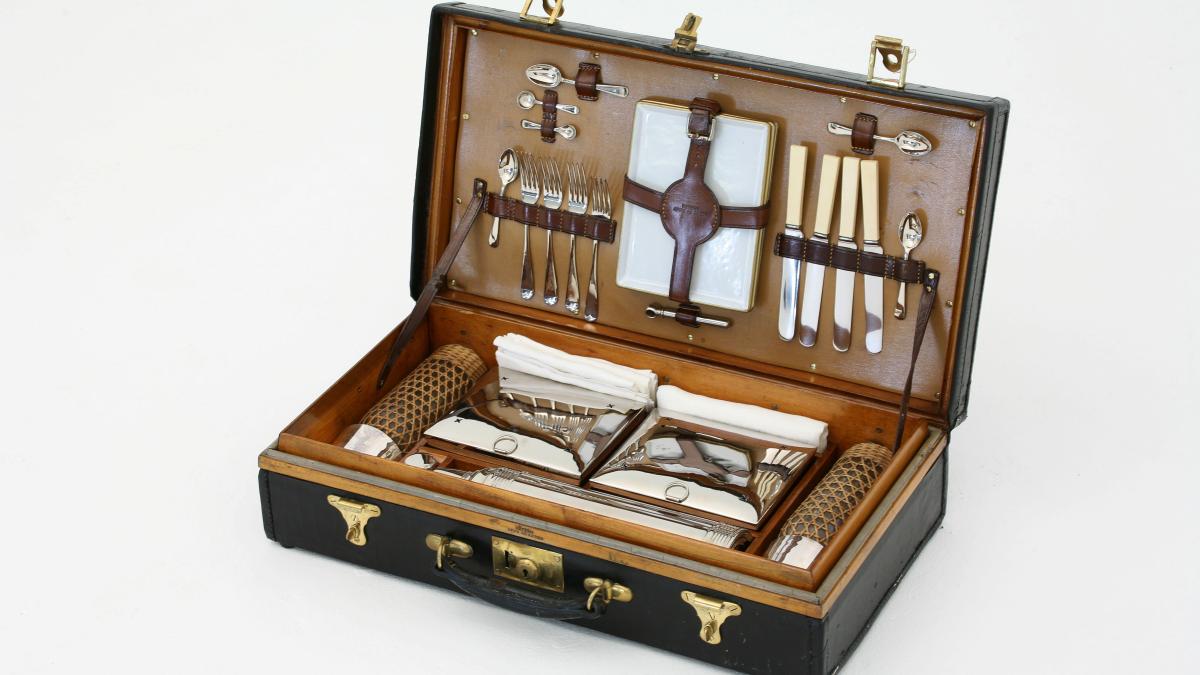
One hundred years ago, significant efforts were underway to protect the cutlery industry in the United Kingdom. In 1923, the government faced mounting pressure from local manufacturers in Sheffield, the heart of the UK’s cutlery production. The British Cutlery Manufacturers Association (BCMA) presented a compelling case for trade protection to ensure the industry’s survival against international competition.
The cutlery industry was a vital component of Britain’s manufacturing sector, contributing substantially to the local economy. At the time, Sheffield was renowned for producing high-quality knives, forks, and spoons, with the craftsmanship of its artisans recognized worldwide. However, the advent of cheaper imports posed a serious threat to this traditional trade.
In response to these challenges, the BCMA lobbied the UK Parliament for measures to safeguard domestic production. Their campaign highlighted the importance of the cutlery industry not only for economic reasons but also for preserving the rich heritage and skilled craftsmanship associated with Sheffield’s artisans. The BCMA’s efforts focused on implementing tariffs and import duties to level the playing field against foreign competitors.
Trade protection was not merely a local concern; it resonated with broader economic implications. The cutlery industry’s decline would have adverse effects on employment and community stability in Sheffield, where many families depended on this trade for their livelihoods. The BCMA’s campaign aimed to rally public support and influence policymakers to act decisively.
The parliamentary discussions surrounding these proposals were intense, reflecting the broader tensions within British manufacturing at the time. Manufacturers were keenly aware that the outcome could set a precedent for other industries facing similar threats. By advocating for protective measures, the BCMA sought to ensure that Sheffield remained a global leader in cutlery production.
Ultimately, the efforts made in 1923 laid the groundwork for future policies that would shape the industry. This period marked a pivotal moment in the history of the UK cutlery sector, as stakeholders recognized the need to adapt to changing market dynamics while preserving their unique heritage.
As we reflect on this significant chapter, it serves as a reminder of the ongoing challenges faced by traditional industries in an increasingly globalized economy. The lessons learned from the cutlery industry’s struggles in Sheffield continue to resonate today, highlighting the delicate balance between competition and preservation in the world of manufacturing.