BREAKING NEWS: The United States is under intense scrutiny as its actions in both Gaza and Venezuela draw global condemnation. Recent developments reveal a troubling pattern of aggression and complicity in human rights violations, raising alarms among international observers.
In a shocking turn, Donald Trump has escalated tensions with Nicolás Maduro, labeling the U.S. military presence in Venezuela as a necessary measure to counter alleged drug trafficking. This statement comes as the world witnesses continued devastation in Gaza, where Israeli forces have reportedly imposed severe restrictions on humanitarian aid, including banning 37 humanitarian organizations from operating in the region.
The humanitarian crisis in Gaza has reached critical levels, with reports indicating that Israel continues to inflict suffering on civilians. Just last week, it was announced that Doctors Without Borders, a key provider of emergency medical care, was cut off from delivering aid to hundreds of thousands of people. The ongoing blockade and military actions have left Gaza’s population facing dire conditions, a situation that is being largely overlooked by Western media.
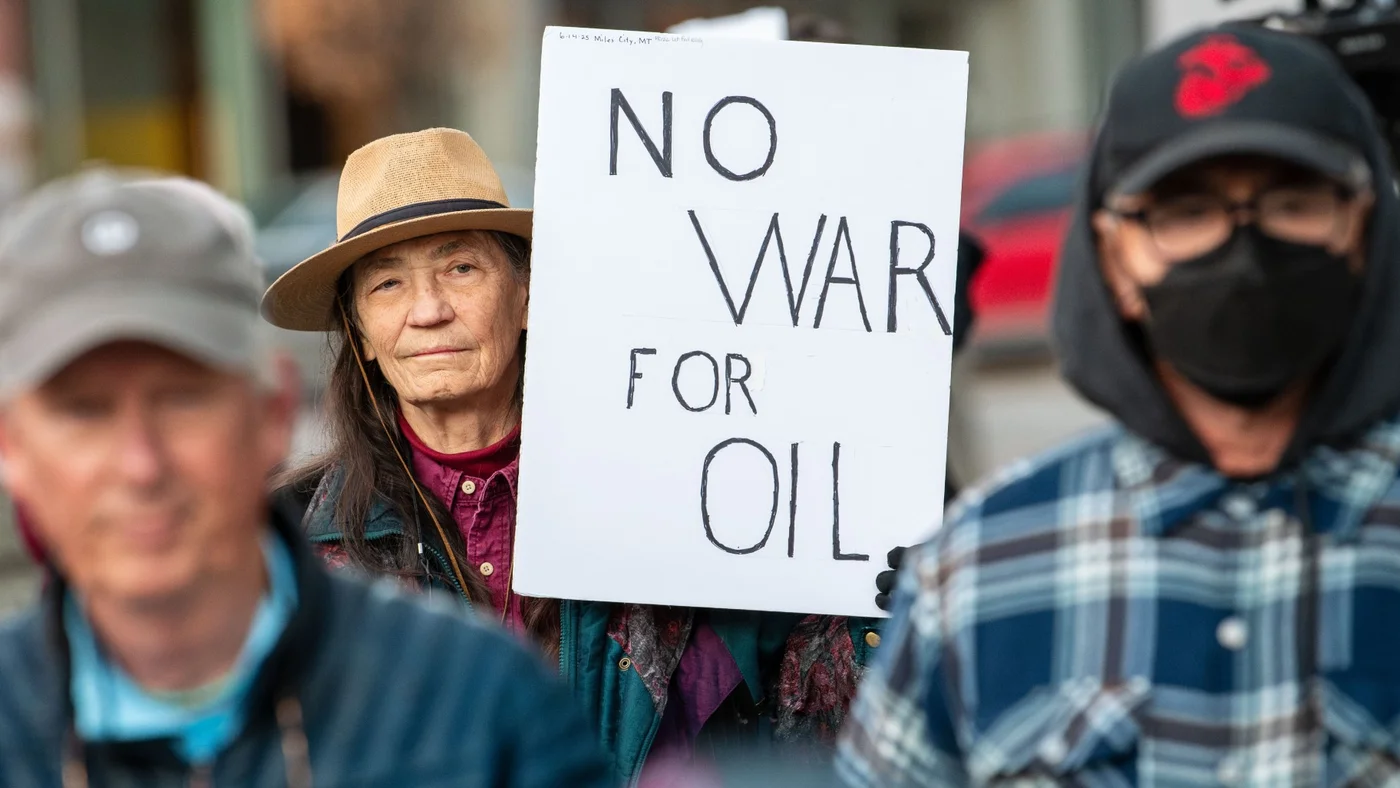
In the backdrop of these events, public sentiment is shifting dramatically. Citizens across the globe are beginning to wake up to the realities of U.S. foreign policy and its implications. As the United Nations has expressed grave concern over the humanitarian crisis, reports of protests and calls for accountability are gaining momentum.
As 2025 approaches, the implications of U.S. actions in Gaza and Venezuela are becoming increasingly apparent. The High Court in the UK is set to rule soon on the legality of the British government’s controversial decision to classify Palestine Action as a terrorist organization. This unprecedented move raises questions about the suppression of dissent and the curtailment of free speech regarding international humanitarian issues.
“The implications of U.S. actions in Gaza and Venezuela are shaping a new narrative,”
said Francesca Albanese, a UN expert on Palestinian territories, who has faced sanctions for her outspoken criticism of U.S. and Israeli policies. Albanese’s situation exemplifies the lengths to which governments are willing to go to silence dissenting voices.
Adding to the urgency, Greta Thunberg, the renowned environmental activist, was recently detained in London for protesting against governmental indifference to humanitarian issues. This incident highlights the broader implications of the current political climate, where criticizing state actions related to Gaza and the broader Middle East conflict is increasingly met with hostility and repression.
As international bodies like the United Nations continue to call out the injustices in Gaza, the U.S. is reportedly threatening to withdraw funding from humanitarian agencies that highlight these issues. This action signals a troubling trend of prioritizing geopolitical interests over humanitarian obligations.
The political landscape is shifting, with potential repercussions across the globe. Nations such as Colombia, Cuba, and even Greenland are now viewing their sovereignty as vulnerable to similar “law enforcement” tactics employed by the U.S. This creates an environment of fear and uncertainty, with the potential for widespread unrest as people rally against perceived injustices.
As the world watches, the question remains: How will Western powers respond to the growing calls for accountability and justice in Gaza and Venezuela? The next few months could prove pivotal as increasing public pressure mounts against inaction.
Stay tuned for more updates as this story develops. The implications of these unfolding events could reshape international relations and humanitarian efforts for years to come.