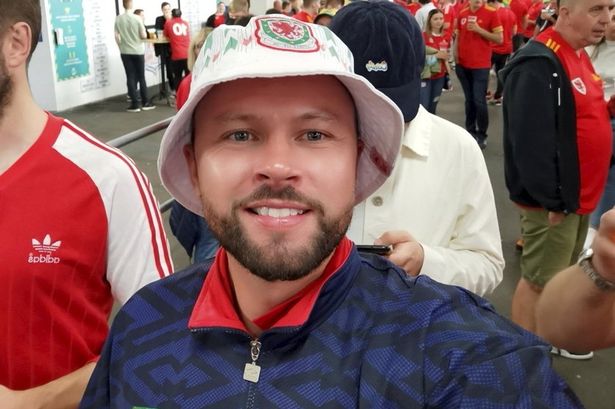
BREAKING: A shocking diagnosis has emerged for Matt Collins, a 38-year-old man from Aberdare, Rhondda Cynon Taf, who discovered that his recent symptoms were a sign of an aggressive and incurable brain tumor.
Collins was at a music festival when he first experienced troubling pins and needles in his left arm. Just days later, on October 2023, he lost all function in that arm, prompting an urgent visit to Prince Charles Hospital in Merthyr Tydfil. Scans revealed the devastating news: he has a glioblastoma, the most aggressive form of brain cancer, with doctors estimating he has between 12 to 18 months to live.
This alarming situation underscores a critical issue affecting thousands in the UK, as treatment options for brain tumors remain severely limited. Despite ongoing research, just one percent of national cancer research funding is allocated to brain tumors, a statistic highlighted by Dr. Karen Noble from Brain Tumour Research.
Collins had long been battling anxiety and depression, exacerbated by personal challenges, including a recent divorce. He experienced severe headaches and seizures for months before his diagnosis, but was awaiting an MRI when he suffered a stroke that ultimately led to the discovery of his condition.
“I had no idea something was seriously wrong until my arm just stopped working,” Collins shared. The emotional toll was immense: “When they told me I had a glioblastoma the size of a golf ball, my whole world changed.”
Surgery to remove the tumor was performed at the University Hospital of Wales, but Collins faced further complications when his tumor recurred despite undergoing chemotherapy. “My recent MRI in November confirmed that the chemotherapy has had no impact and my tumor is still growing,” he said, facing the terrifying reality of limited treatment options.
In a desperate bid for life-saving treatment, Collins is pursuing alternative therapies abroad. He is considering a treatment in Germany that costs £16,000 per cycle to be repeated every two months. “It is deeply frustrating to see treatment options available elsewhere in Europe and the USA that aren’t accessible here on the NHS,” he emphasized.
Additionally, Collins has raised funds for a personalized vaccine called DcVax-L, which is not available through the NHS but is offered privately in the UK at a staggering cost of £100,000. “I was only able to have the DcVax-L because of the random kindness of strangers,” he noted, expressing gratitude for the fundraising efforts that made the treatment possible.
The situation raises urgent questions about the accessibility of advanced treatments in the UK. “The NHS needs to be brought up to speed, more needs to be done,” Collins urged, reflecting the sentiments of many patients facing similar struggles.
As treatment options dwindle, Collins’ story serves as a poignant reminder of the urgent need for increased funding and research into brain cancer. Dr. Noble stated, “Just five percent of patients with brain cancer are on a clinical trial in this country – compared to much higher proportions in other cancers. We urgently need to invest in research and expand access to innovative trials here in the UK.”
Collins’ journey is a call to action for all who encounter similar battles, highlighting the critical need for better awareness, funding, and treatment availability for brain tumors. The emotional weight of his story resonates, urging communities to rally together for change and support those affected by such devastating diagnoses.
As Matt Collins continues to navigate this challenging path, the medical community and the public must advocate for increased resources and options for brain cancer treatment, ensuring no one else has to face such a harrowing journey alone.