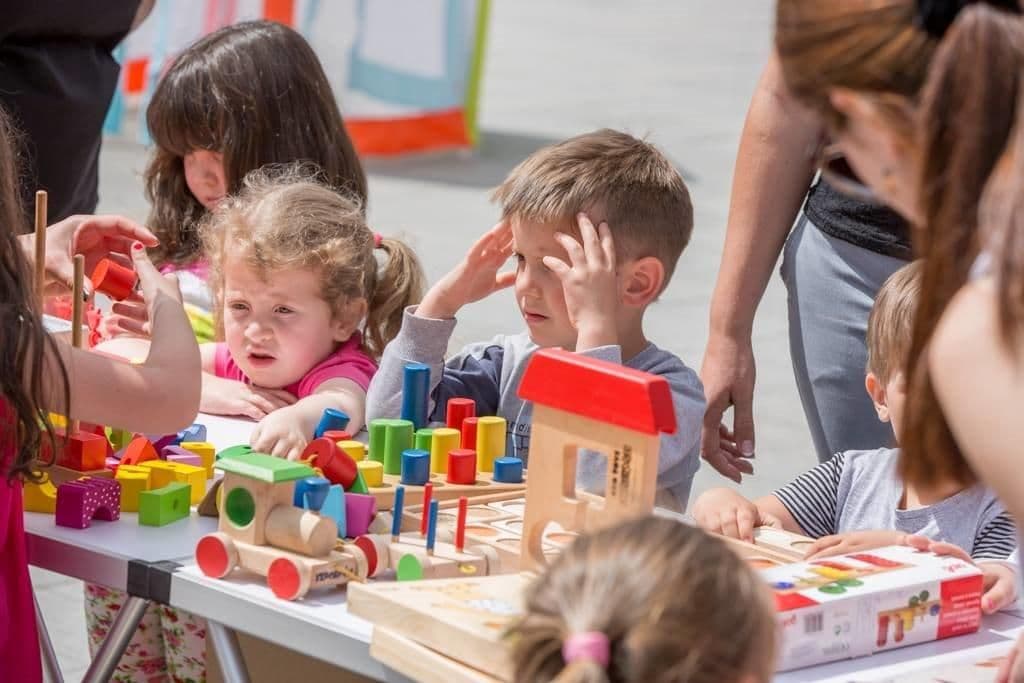
URGENT UPDATE: Preschools in Montenegro are facing a crisis as enrollment numbers surge to an alarming level. In the 2025/26 school year, a staggering 26,786 children have been registered across the country’s 24 public and 33 private institutions, marking a 3.3% increase from the previous year.
Authorities have confirmed that the average group size in public preschools is now a shocking 30.9 children, nearly double the legal limit. In municipalities like Zeta, the situation is critical, with an average of 45.3 children per group, followed by Tuzi at 39.4. This trend raises urgent concerns for child safety and quality education.
New statistics from Monstat reveal that the law allows a maximum of 8 children for infants, 12 for toddlers, 14 for ages two to three, and up to 25 for the oldest age groups (five to six years). Despite these regulations, many groups are far exceeding these limits, leading to overcrowded classrooms and strained resources.
The staffing crisis is equally alarming. With a total of 3,678 employees in public preschools, the state average shows 15.7 children per educator. However, in Zeta, one educator is responsible for an overwhelming 27.2 children. Other municipalities, such as Tivat and Budva, also report high ratios, with educators managing 20.3 and 19.8 children respectively.
In contrast, some regions, like Plužine and Šavnik, adhere to the law with averages of 4 and 3.5 children per group. The contrast highlights a significant imbalance in educational quality across the country.
Gender ratios in preschools show an interesting dynamic. Of the total enrollment, 52.3% are boys (14,010), while 47.7% are girls (12,776). Notably, municipalities like Bar see more girls enrolled, a rarity in the overall trend.
Private preschools are also experiencing overcrowding, with an average of 13.8 children per group. Some facilities, particularly in Bar, report averages as high as 26.5 children per educator, raising similar concerns about the quality of care and education.
As the situation develops, parents, educators, and policymakers are urged to address these pressing issues. The overwhelming numbers not only jeopardize the educational environment but also the well-being of the children involved.
What’s Next: Authorities are expected to respond to this crisis, with discussions likely to focus on increasing funding for additional staff and facilities. Stakeholders are encouraged to monitor developments closely as the implications of this overcrowding could have lasting effects on Montenegro’s educational system.