UPDATE: The construction of a critical wastewater treatment plant in Botun, Montenegro, is set to begin, addressing one of the region’s most pressing environmental crises. This project, valued at €47.3 million, was confirmed by former Mayor Ivan Vuković, who played a pivotal role in securing funding and laying the groundwork for this essential infrastructure.
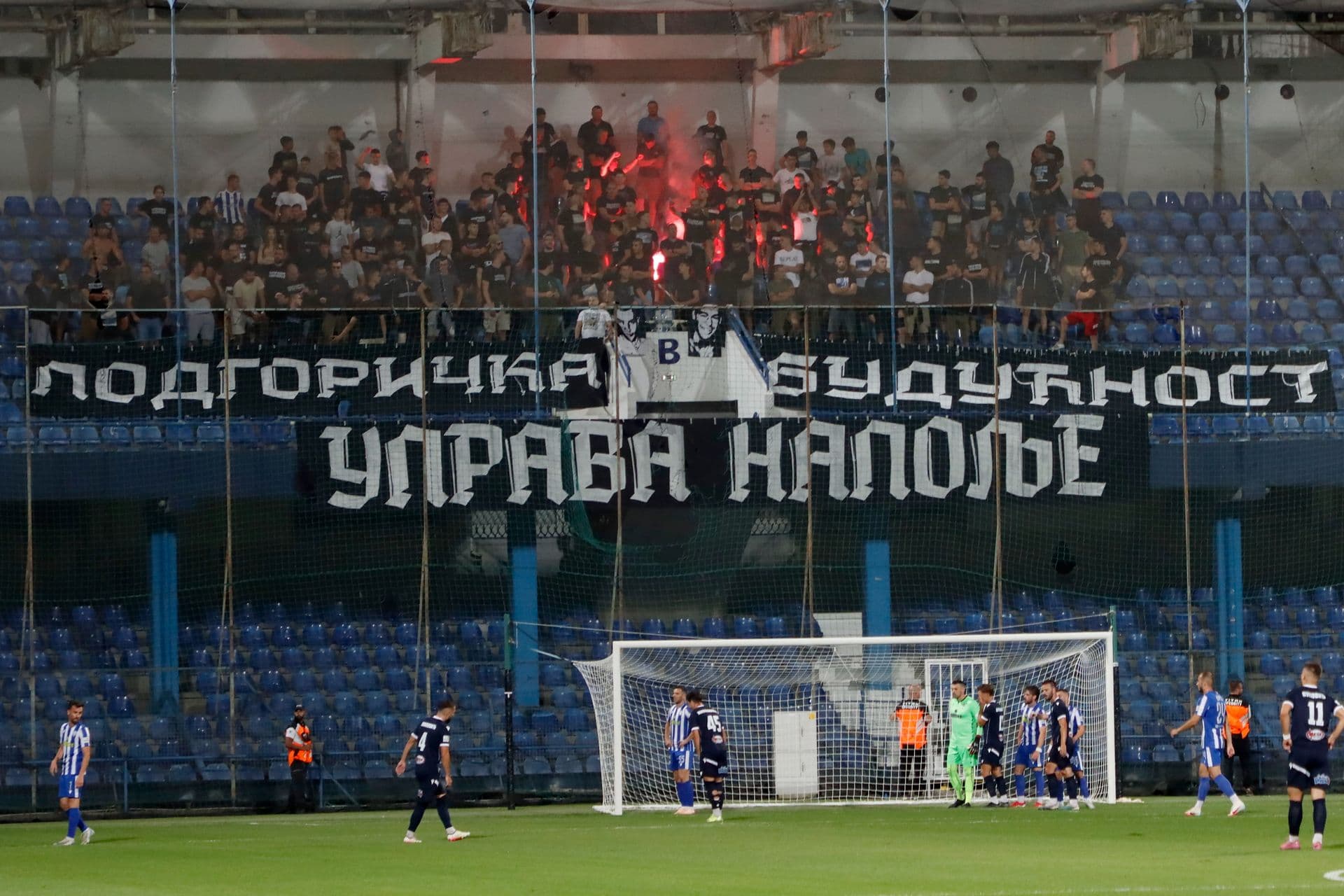
As the start date approaches, tensions have escalated among local residents, who express concerns over the project’s environmental impact. Saša Mujović, the current mayor, has indicated that delaying the project could cost Podgorica up to €177 million, emphasizing the urgent need for resolution.
The plant’s construction aims to eliminate the daily discharge of thousands of cubic meters of untreated waste into the Morača River, leading to further contamination of the nearby Skadar Lake. Vuković highlighted the project as the culmination of two decades of efforts to tackle Montenegro’s most significant ecological challenge.
The financing for the project includes a €35 million favorable loan from the KfW Bank, supported by the German government, alongside a €33 million grant from the European Union. This funding showcases the international support for Montenegro’s environmental initiatives.
Additionally, a consortium of Turkish companies has won the contract for the plant’s construction through a competitive international tender. Their expertise includes managing similar systems in major cities like Istanbul, which serves 16 million people. Vuković assured that the equipment used would meet the highest ecological standards, countering misinformation about the technology’s age and reliability.
Residents have raised questions about the project’s technical aspects, particularly the incineration of sludge, which has sparked fears about potential health risks. Vuković responded by emphasizing that the proposed incinerator would adhere to stringent environmental regulations, providing not only waste management solutions but also generating energy for the plant’s operations.
Despite the political tensions surrounding the project, Vuković urged local citizens to recognize the long-term benefits of the wastewater treatment facility. He stated, “The contamination of underground waters and the Morača River poses risks that could lead to economic consequences far exceeding those experienced during the COVID-19 pandemic.”
As the project timeline progresses, the government is under pressure to communicate effectively with the community. Vuković noted that previous studies dating back to 2004 have identified Botun as the optimal site for the wastewater treatment plant, with multiple public discussions held to address local concerns.
The urgency of this project cannot be overstated. If the construction does not commence as scheduled, Podgorica could face devastating financial repercussions, jeopardizing its ambitions to join the European Union. The stakes are high, and the community’s understanding and support are crucial for a successful resolution.
In the coming weeks, continued dialogue between city officials and residents will be essential. The government aims to ensure transparency and alleviate fears surrounding the environmental implications of the plant. As this situation develops, local citizens are encouraged to stay informed and engaged with the project’s progress.
With the construction of the wastewater treatment plant looming, Montenegro stands at a crossroads, balancing ecological needs with community concerns. The implications of this initiative will resonate for years to come, making it a pivotal moment in the country’s environmental history.