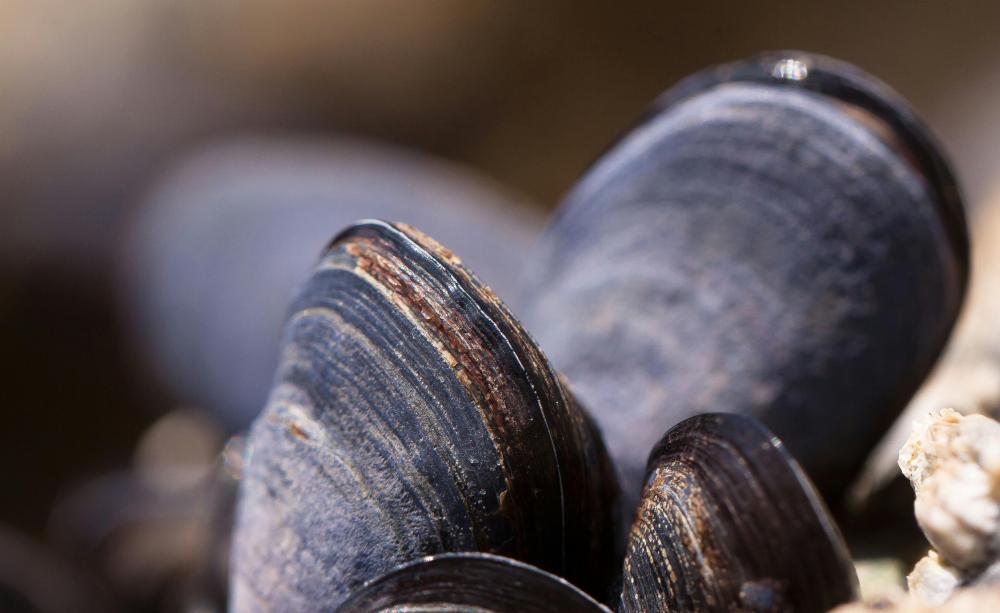
UPDATE: A shocking ecological crisis is unfolding in rivers across Europe and North America, as nearly all freshwater mussels are disappearing, with alarming implications for water quality and biodiversity. In London’s Thames River alone, decades of pollution have left only a fraction of these essential bivalves alive, surrounded by a graveyard of shells.
Recent studies confirm that the situation is dire globally, with researchers like Tadeusz Zając from the Polish Institute of Nature Conservation leading investigations into the causes behind this alarming decline. “The relation with global warming—and heatwaves—is evident,” Zając stated, highlighting that mass die-offs are often associated with summer heat.
Freshwater mussels, vital for filtering water and maintaining ecosystem health, are facing threats from pollution, drought, and diseases linked to climate change. With about 300 species in North America, over 70% are now at risk of extinction. In Europe, 12 out of 16 species are in danger, with three considered critically endangered.
The implications of this crisis extend beyond the mussels themselves. As these mollusks die off, rivers will become murkier and more polluted, leading to increased algal blooms that can devastate aquatic life. Zając warns, “While some threads of the ecosystem can break, the network ultimately fails if enough are lost.”
In response to the crisis, reintroduction programs are underway. Successful restoration efforts have been reported in Poland’s Nida River, where pollution levels have dropped, allowing the thick-shelled river mussel to thrive once more. Meanwhile, the Anacostia River in Washington, D.C., is undergoing a cleanup that relies on mussels to help purify the water from sewage and microplastics.
However, despite these efforts, the threat remains. “While pollution has decreased, mussels are still vulnerable to climate change-induced die-offs,” Zając noted. The mussels that survive may create new populations, offering a glimmer of hope for their future.
With the ongoing climate crisis, the urgency to act is paramount. The survival of these unsung heroes of our rivers depends not only on their resilience but also on collective efforts to preserve their habitats. As Zając aptly puts it, “The only hope is in evolution.”
As the world watches this developing situation, the fate of freshwater mussels serves as a critical reminder of the interconnectedness of our ecosystems and the urgent need for conservation efforts. Share this vital news to raise awareness and support for our rivers’ most essential inhabitants.