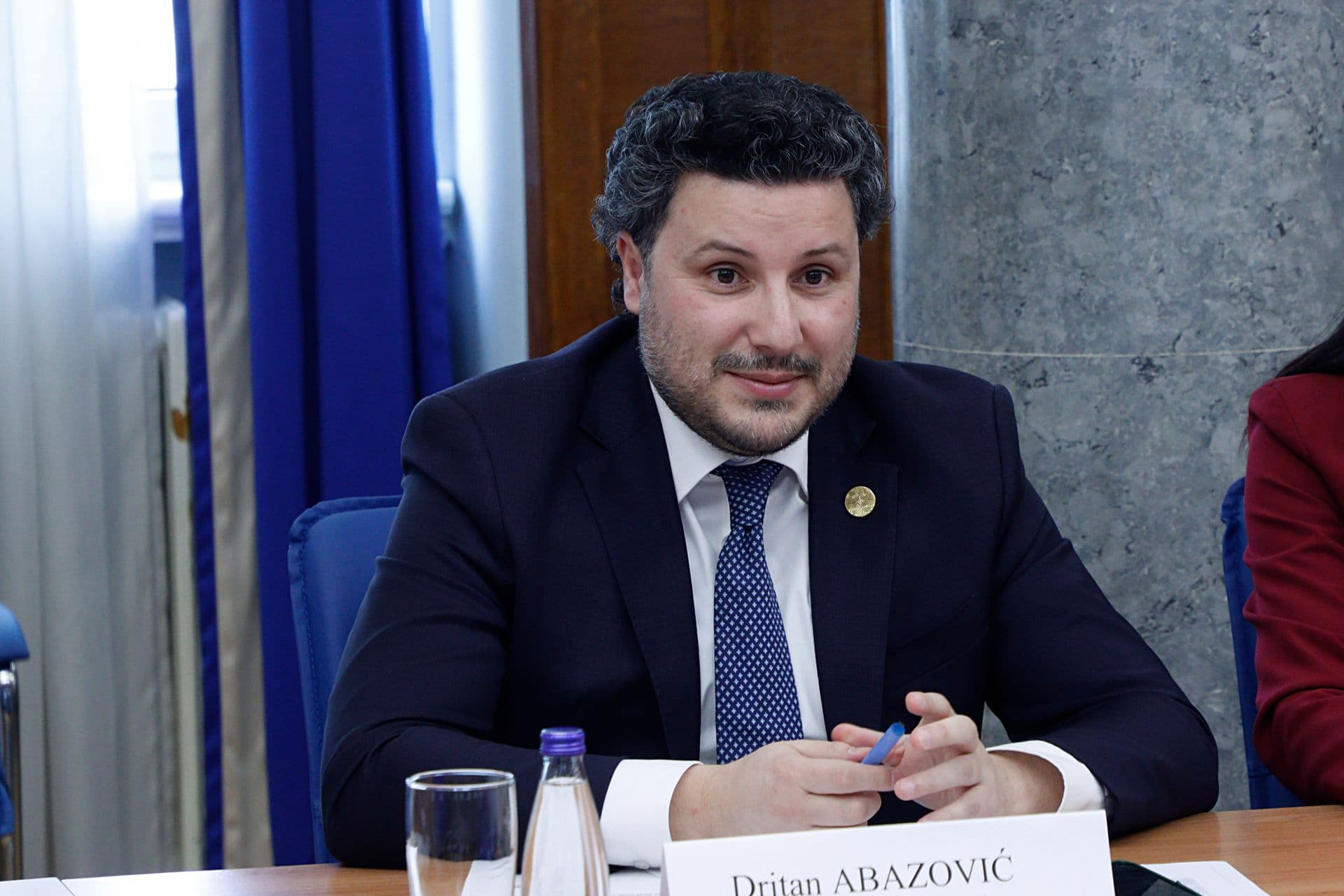
UPDATE: Dritan Abazović, leader of the Civil Movement URA, has urgently called on the Government of Montenegro to suspend fuel taxes in response to escalating prices driven by the ongoing conflict in the Middle East. In a statement released today, Abazović warned that Montenegrins could feel the financial impact as early as next week.
The conflict’s implications for fuel prices threaten to exacerbate inflation, which has already posed significant challenges in Montenegro over the past two years. “Every increase in fuel prices fuels inflation,” Abazović stated, emphasizing the need for immediate governmental action to protect citizens’ standards of living.
In his podcast “Friday with Dritan,” he outlined two potential scenarios affecting tourism due to the Middle Eastern crisis. The first scenario involves a climate of global instability, which could deter travel plans, while the second suggests that canceled trips in the region could redirect tourists to Montenegro as a more attractive option.
Abazović urged the government to adopt pricing strategies that would make Montenegro appealing to European travelers seeking alternatives to popular destinations like Dubai and Turkey. He also called on businesses not to exploit the crisis for profit by increasing product prices.
On related issues, Abazović expressed his support for measures against organized crime and corruption, while criticizing the government’s proposed solutions as draconian and aimed at suppressing dissenting voices. He highlighted the parliament’s refusal to support legislation that would increase pensions, provide compensation for workers impacted by bankruptcies, and boost child benefits—issues central to the URA’s platform, “Montenegro 365.”
In a bold proposal, he suggested compensating workers affected by the economic transition with €12,000 each, arguing that this measure would rectify longstanding injustices.
Abazović also addressed concerns about the acquisition of the ferry “AF Francesca” and the restoration of the Kamenari-Lepetane line to state ownership. He lamented that during his tenure as Prime Minister, he was unable to secure a ferry service on the Bar-Bari route, a crucial connection for Montenegro’s maritime identity.
“Montenegro is the only maritime nation without international routes,” he noted, calling for urgent improvements to the state of the Bar port and the national shipping company. He pledged that upon returning to power, revitalizing these services would be a top priority, along with the necessary infrastructure investments to support them.
With mounting pressures from both domestic and international fronts, Abazović’s appeals resonate strongly with citizens anxious about their economic futures. As the situation develops, all eyes will be on the government’s next steps and their potential impact on the Montenegrin populace.