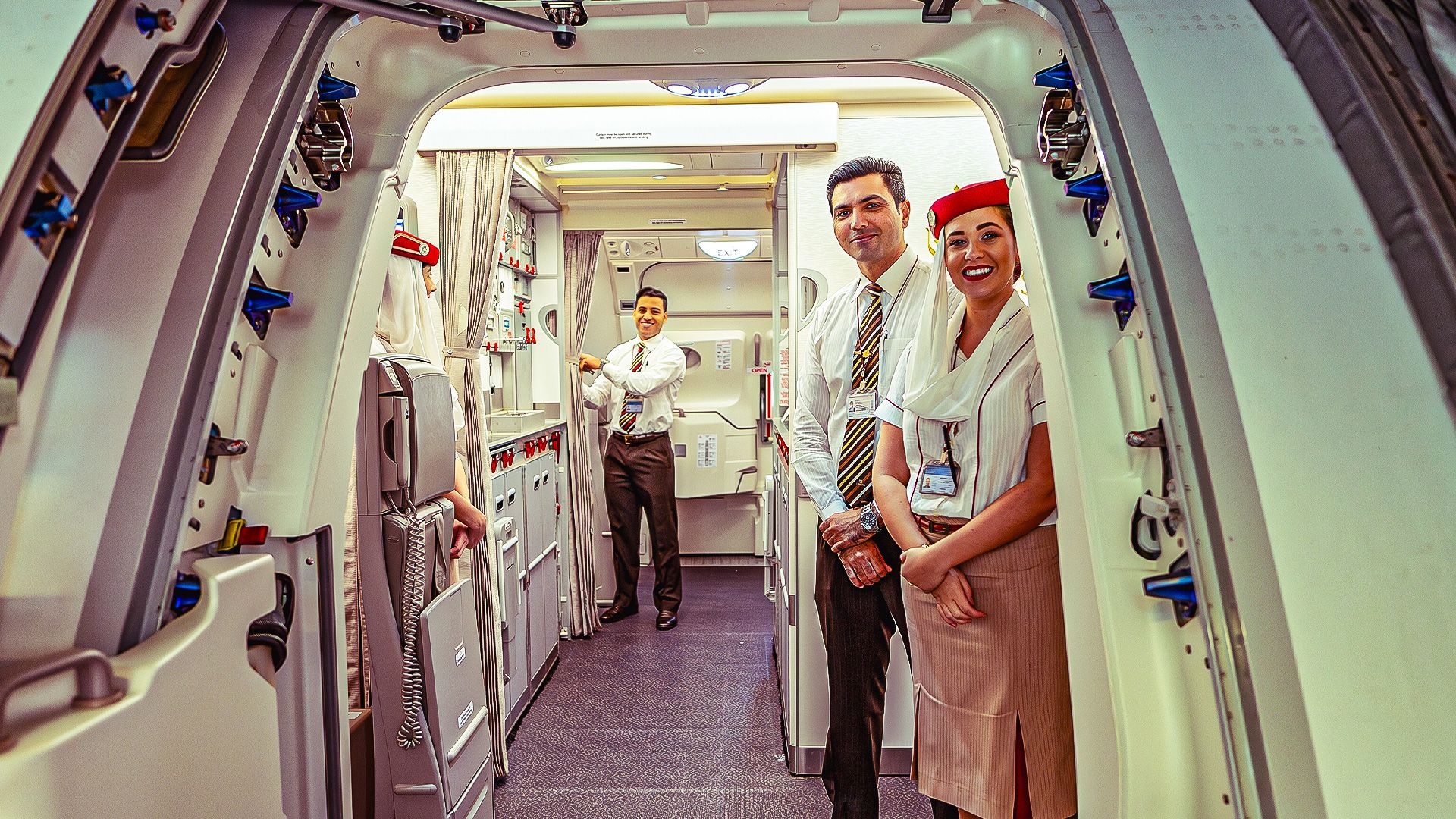
UPDATE: As airlines increasingly deploy new, more fuel-efficient aircraft for long-haul routes, cabin crew are facing unprecedented challenges managing jet lag after shifts that can exceed 24 hours. With flights now routinely lasting over 20 hours, the impact on crew members’ health and performance is drawing urgent attention.
Cabin crew members are reporting significant struggles with jet lag, which can severely affect their well-being and productivity. New reports confirm that, as of October 2023, many airlines are now operating flights that push the limits of crew endurance, with some routes spanning multiple time zones and requiring extended on-duty periods.
The emotional toll on cabin crew is substantial. With the demands of long-haul flights, crew members often find themselves battling fatigue and disorientation upon arrival at foreign destinations. Health experts warn that chronic jet lag can lead to serious health issues, including sleep disorders and decreased job performance.
In response, airlines are implementing new strategies to help their cabin crew cope with these challenges. Some companies are introducing mandatory rest periods and wellness programs designed specifically for long-haul crew members. Others are exploring innovative scheduling practices to minimize the impact of jet lag, such as adjusting flight times to align better with crew members’ natural circadian rhythms.
Travelers are encouraged to be aware of these developments, as the well-being of cabin crew directly affects safety and service quality during long flights. As flight operations continue to evolve, industry experts expect further changes aimed at improving conditions for cabin crew.
What happens next? Watch for announcements from major airlines regarding new policies and procedures that could reshape the future of long-haul flights. As the aviation industry adapts to these challenges, enhanced support for cabin crew may lead to better travel experiences for passengers worldwide.
Stay tuned for further updates on how airlines are responding to these urgent health concerns affecting cabin crew and the overall travel experience.