UPDATE: A shocking new study reveals that nearly 3% of airline water samples circulating in the United States have tested positive for coliform bacteria. This alarming finding, uncovered in a 2026 airline water safety study, highlights significant health risks for travelers and raises questions about the safety of onboard beverages.
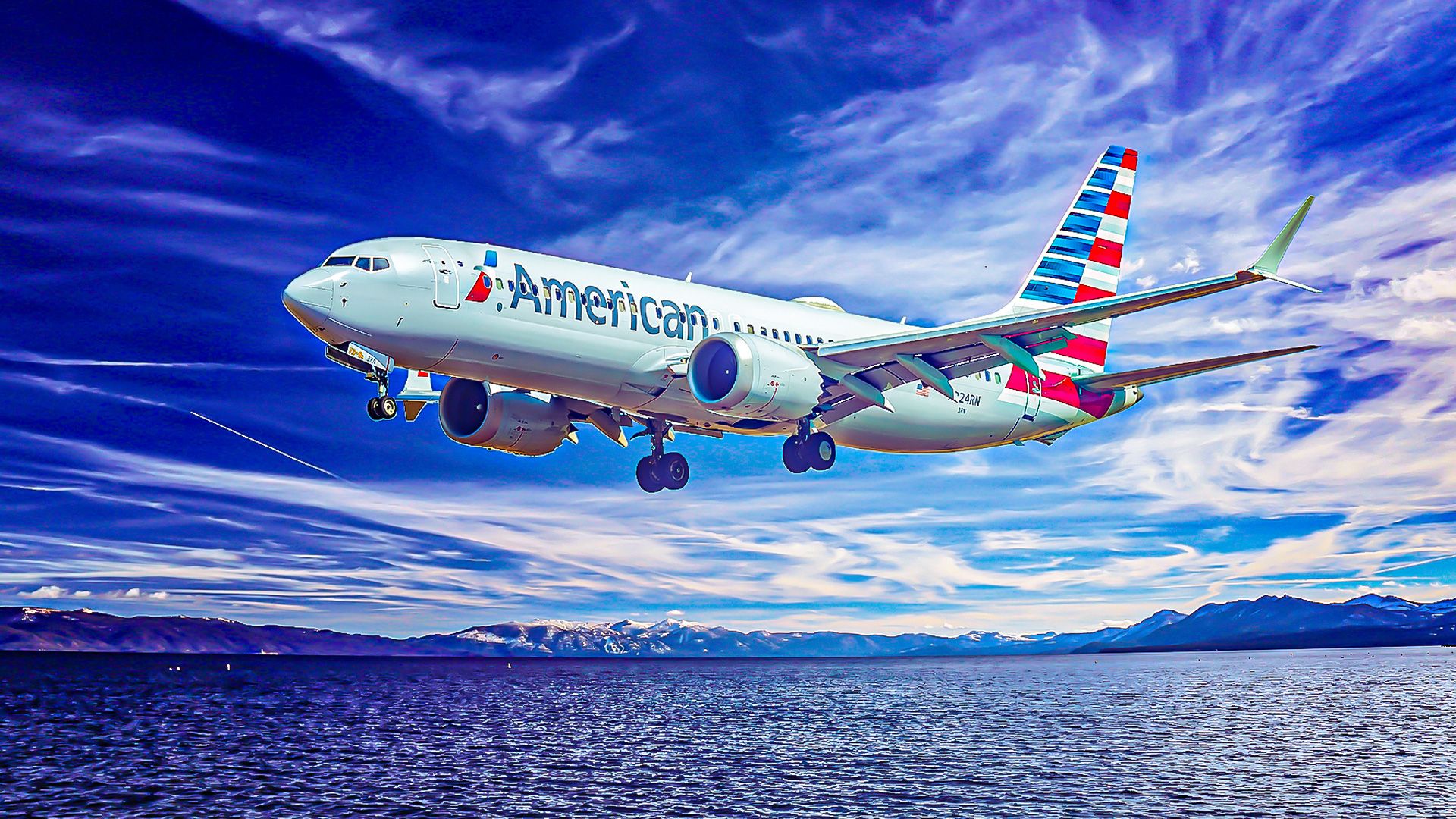
The study, conducted by the Center for Food as Medicine & Longevity, indicates that American Airlines and JetBlue are among the highest risk carriers. Almost all airlines assessed failed to meet the federally mandated Aircraft Drinking Water Rule (ADWR), which has been in place since 2011. Researchers are urging travelers to avoid drinking any water onboard, except for sealed bottled water.
WHY THIS MATTERS NOW: As travelers prepare for upcoming flights, it’s crucial to understand the risks associated with onboard water supply. Contaminated water systems can harbor dangerous pathogens, putting passengers at risk. Authorities emphasize that even washing hands with onboard sink water is not advisable. Instead, the recommendation is to use alcohol-based hand sanitizer with at least 60% alcohol concentration.
In response to the findings, Charles Platkin, director of the Center for Food as Medicine & Longevity, stated:
“Delta Air Lines and Frontier Airlines win the top spots with the safest water in the sky, while nearly all regional airlines need to improve their onboard water safety.”
The study’s scoring system evaluated airlines based on violations, maximum contaminant levels for E. coli, and rates of coliform-positive tests. Here are the key results from the study:
– Delta Air Lines: Perfect score of 5.00 (Grade A)
– Frontier Airlines: 4.80 (Grade A)
– Alaska Airlines: 3.85 (Grade B)
– American Airlines: Lowest among major airlines with 1.75 (Grade D)
– Mesa Airlines: 1.35 (Grade F), the lowest among regional carriers
The study also revealed that CommuteAir had a staggering 33.33% coliform-positive rate, indicating a severe risk to passengers. Any score over 3.5 is considered safe, earning a Grade A or B.
Despite these alarming results, the Environmental Protection Agency (EPA) is criticized for its lack of effective oversight in maintaining safety standards. The study’s authors issued a “shame on you” award to the EPA for its failures.
Travelers should take immediate precautions. Avoid drinking coffee or tea on flights, and only consume bottled water from a clean source. Washing hands with sink water is not recommended, as it may lead to further contamination. Passengers should consider brushing their teeth with bottled water to avoid ingesting any harmful bacteria.
As this situation develops, staying informed and cautious is vital for the health and safety of airline travelers. Share this urgent news with fellow flyers to ensure they are aware of the risks associated with onboard water.