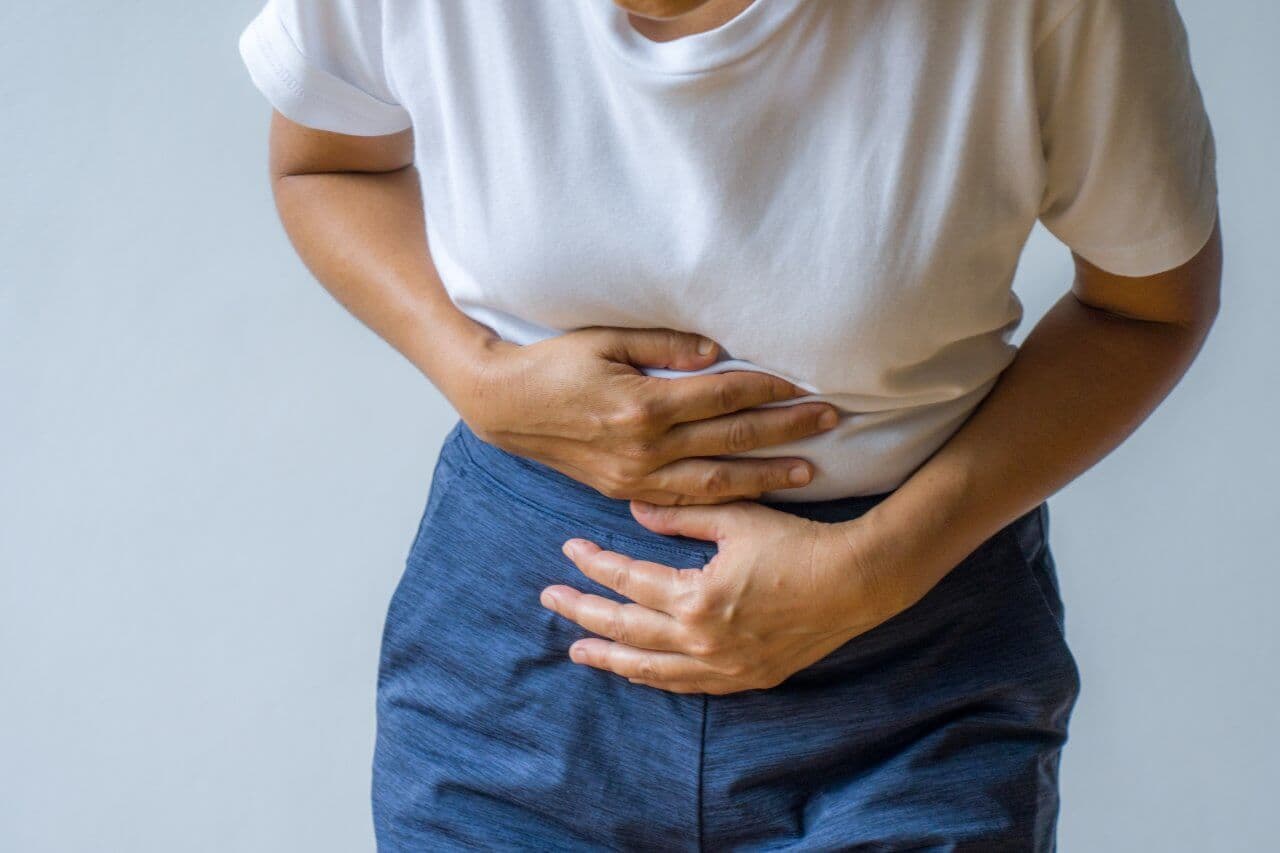
The urge to visit the bathroom immediately after eating does not necessarily indicate a health issue, according to health experts. Although changes in stool can reflect one’s health, such as an increase in cases of colorectal cancer among younger adults, the quick need to relieve oneself is often linked to a normal bodily function rather than a medical problem.
The phenomenon known as the gastro-colic reflex is at play. This reflex occurs when the stomach expands after eating, sending signals to the brain that it is full. Typically, this response happens around 20 to 30 minutes post-meal, prompting the body to prepare for additional food by triggering contractions in the large intestine. This contraction can lead to a strong urge to use the toilet.
Certain foods and beverages can intensify this response. For instance, consuming coffee at breakfast may heighten the likelihood of needing to go to the bathroom shortly after eating. Similarly, indulging in spicy dishes or alcoholic beverages like beer can provoke a quick trip to the restroom without indicating any underlying health concern.
It is crucial to evaluate the characteristics of your stool. If the stool appears normal and you do not spend excessive time in the bathroom, there is likely no reason for alarm. However, if you feel that something is amiss with your digestive system, consulting a healthcare professional is advisable.
Understanding the signals your body sends can help alleviate concerns about immediate bathroom trips after meals. The connection between the brain and digestive system is complex, but in most cases, it is a natural reaction rather than a symptom of illness.