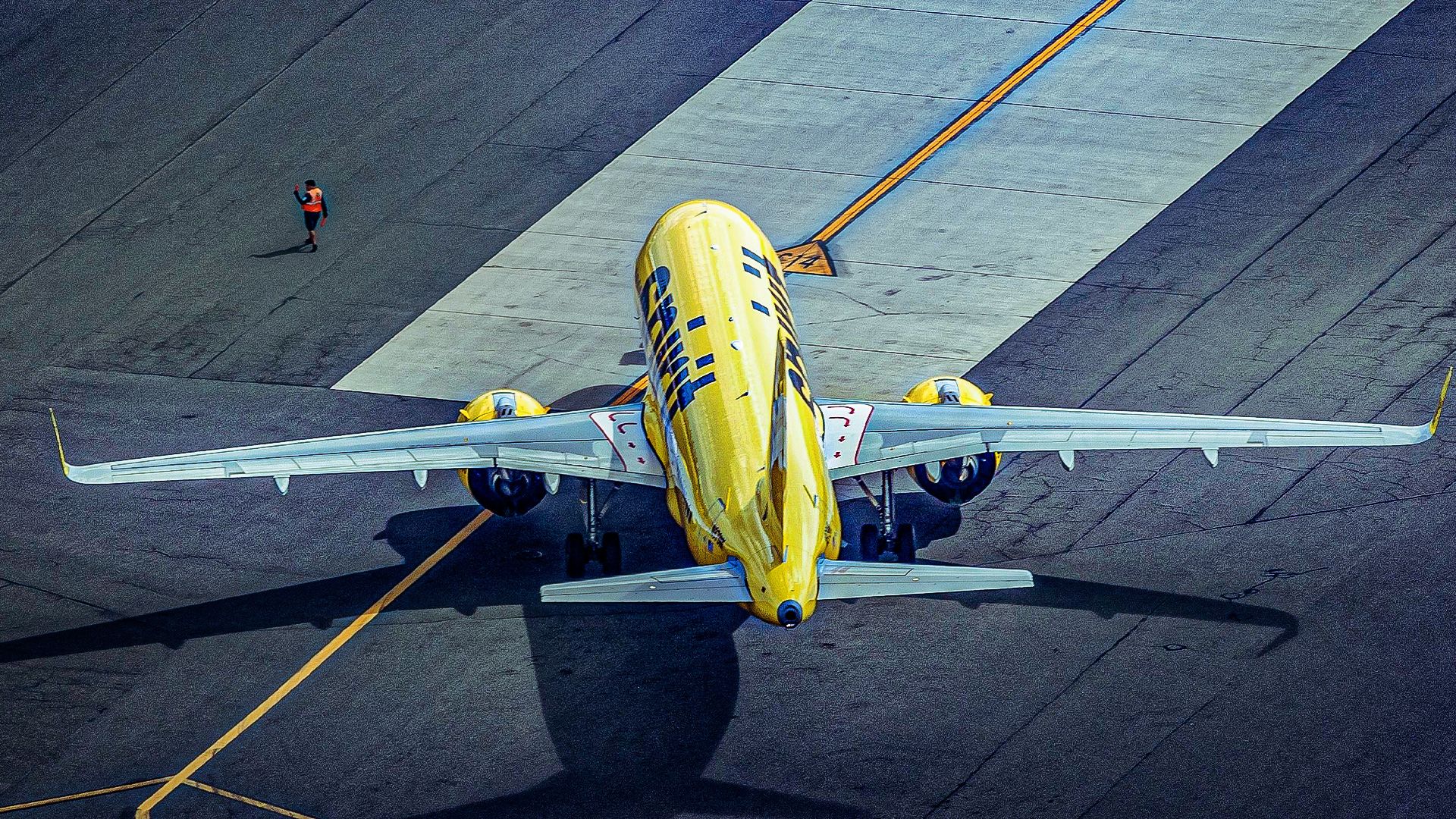
UPDATE: In a shocking move, Spirit Airlines is returning dozens of its almost-new Airbus A320neo and A321neo aircraft to lessors as part of its ongoing bankruptcy proceedings. This decision comes despite the planes being recently produced and highlights the airline’s dire financial situation.
The airline, currently embroiled in its second Chapter 11 filing within a year, has amassed a staggering $8 billion in debt, leading to the painful decision to dismantle young aircraft for parts. Some of these jets, merely out of warranty, are facing an untimely end at the scrapyard, driven by urgent economic pressures and significant engine shortages.
Spirit’s leadership is scrambling to restructure operations after reporting a $1 billion loss in 2024 and projecting another $800 million loss for 2025. CEO Dave Davis stated, “To ensure the long-term success of our company, Spirit must right-size its fleet to match capacity with profitable demand.” This involves slashing service to 11 cities and reducing flights at key hubs like Harry Reid International Airport by more than half.
As of October 2025, Spirit has filed motions in US Bankruptcy Court to reject leases on 87 aircraft, marking a reduction of over 40% in fleet size. Currently, 85 A320neo-family aircraft are already in storage, with more cuts expected. The airline’s fleet has dwindled from over 200 aircraft to a projected 100 to 120 by mid-2026.
Why are these young jets being scrapped? The answer lies in significant engine reliability issues with the Pratt & Whitney PW1100G Geared Turbofan (GTF) engines. Manufacturing defects have caused widespread recalls, forcing airlines like Spirit to ground a substantial portion of their fleets. With repair times extending to over 300 days, it has become economically unfeasible for Spirit to maintain these aircraft.
The implications are severe. Spirit is not alone; airlines globally are grappling with similar challenges. Recent reports indicate that other carriers, including IndiGo and Wizz Air, are also facing extensive groundings due to the same engine issues. As of late 2025, more than 800 aircraft worldwide are grounded due to these reliability problems.
The decision to scrap young aircraft reflects a troubling trend in aviation, where parts are now more valuable than entire planes. As demand for aviation components soars, lessors may find it more profitable to dismantle aircraft rather than lease them, leading to a paradoxical situation where newer jets are retired prematurely.
Spirit Airlines’ situation is a stark reminder of the aviation industry’s fragility. As the company battles to survive, the move to scrap young jets underscores a broader crisis that could reshape the industry landscape for years to come. Keep an eye on this developing story as the aviation world watches Spirit’s restructuring closely, with potential ripple effects for many competitors.
In a rapidly changing environment, expect more young aircraft to face early retirements, challenging traditional views on aircraft longevity and economic viability.