UPDATE: Richard Gere’s iconic 1993 Academy Awards speech has resurfaced as a flashpoint in discussions around celebrity activism, following his recent reflections on a 20-year ban from the Oscars. During the 65th Academy Awards, Gere took an unprecedented stance against human rights abuses in Tibet, directly addressing the Chinese leadership in a moment that would change his career trajectory.
On March 29, 1993, Gere presented the award for Best Art Direction but diverted from the script to raise awareness about the ongoing plight of Tibetans under Chinese rule. He provocatively questioned whether then-leader Deng Xiaoping was watching, saying, “I wonder if something miraculous and really movie-like could happen here,” calling for the end of China’s military presence in Tibet.
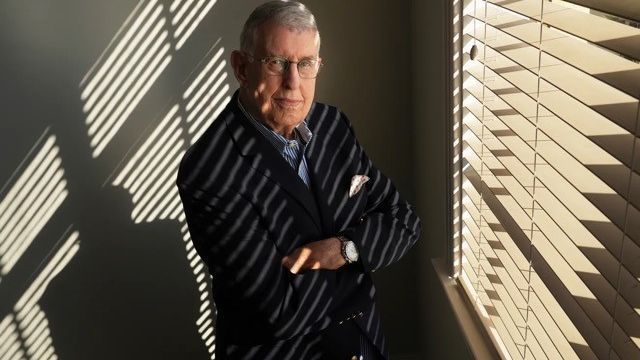
While the audience responded with applause, Academy officials deemed his remarks a breach of protocol, focusing instead on entertainment rather than political discourse. Bob Rehme, president of the Academy at the time, emphasized that the Oscars should not become a platform for political activities. The result? Gere was effectively banned from the Oscars for two decades.
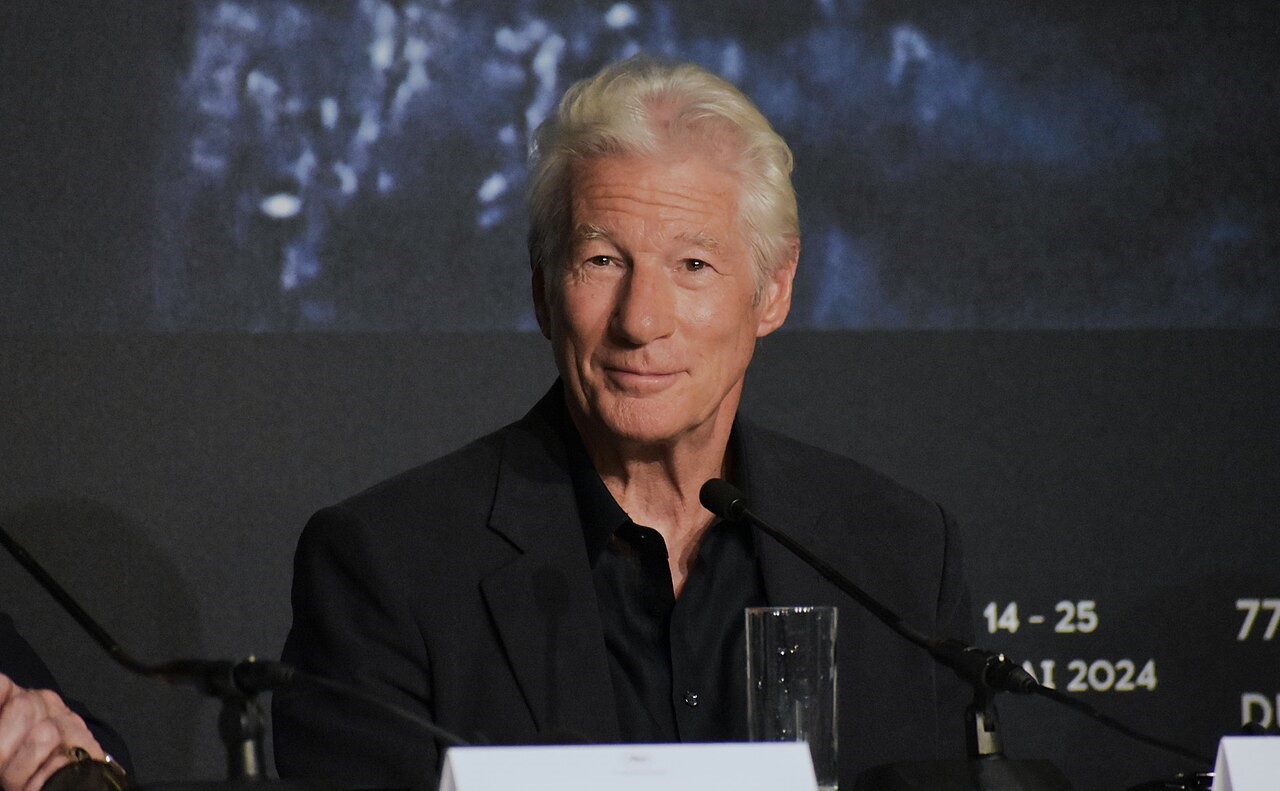
Recently, Gere spoke to Variety about the ban, stating, “I do what I do and I certainly don’t mean anyone any harm.” He emphasized that his advocacy for human rights stems from a genuine commitment to those causes, influenced by his long-standing friendship with the Dalai Lama.
Gere’s absence from the Oscars ended in 2013 when he returned to present an award as part of the cast of Chicago, a film that won multiple Academy Awards. Reflecting on his exclusion, he humorously remarked, “It seems if you stay around long enough, they forget they’ve banned you,” suggesting a lighter view on the lengthy absence.
Throughout his career, Gere has remained an influential figure in Hollywood, starring in classics like Pretty Woman and An Officer and a Gentleman. Despite his acclaimed performances, he has never received an Oscar nomination, which many fans and critics consider a glaring oversight.
Beyond acting, Gere continues to champion global human rights issues. This year, he executive-produced the documentary Wisdom of Happiness, which highlights the Dalai Lama’s teachings on compassion and moral courage. Even at 76, Gere remains committed to projects that resonate with his values, demonstrating a blend of mainstream appeal and principled storytelling.
As discussions about celebrity activism intensify, Gere’s bold actions at the Oscars over two decades ago serve as a reminder of the potential impact of using fame for advocacy. His journey reflects a commitment to both his craft and the causes he believes in, reinforcing the importance of standing up for human rights, even in the face of professional consequences.
Readers are encouraged to share this compelling story as it highlights the intersection of entertainment and activism in today’s world.