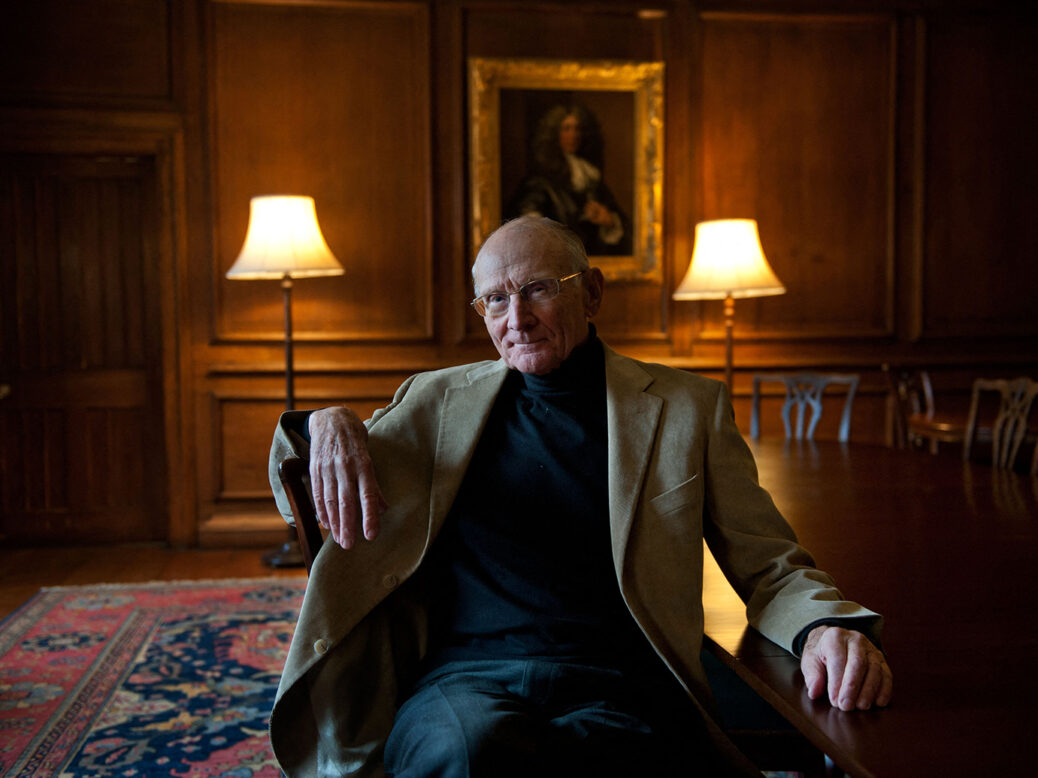
BREAKING: Renowned Oxford literary critic John Carey has died at the age of 91, confirmed on December 11, 2025. Carey, celebrated for his insightful critiques and engaging style, leaves behind a legacy that has shaped literary discussions for decades.
Carey’s impact resonated through his notable works, including the influential collection, “Original Copy: Selected Reviews and Journalism, 1969-1986,” published by Faber & Faber in 1987. His unique ability to connect with readers earned him the title of “the people’s critic,” as highlighted in a recent profile in the Sunday Times. This label underscores his dedication to making literature accessible to “ordinary intelligent people.”
The literary community is mourning the loss of a figure who often juxtaposed intellectual rigor with relatable prose. His reviews in the New Statesman and other prestigious outlets have sparked debates and garnered attention, often challenging the status quo of literary criticism. While his wit and fluency captivated many, critics noted that his reviews sometimes lacked deep critical analysis.
Carey’s writing was characterized by sharp observations about societal norms and cultural elites. He was particularly vocal about the disconnect between academia and the average reader, often expressing disdain for what he termed the “smug uppishness” of Oxford dons. His humor shone through in critiques, such as his memorable dismissal of the term “cabbages” used for hospital patients, where he cleverly remarked, “a cabbage is a sturdy, self-reliant being.”
His commentary on societal issues extended beyond literature. Carey critiqued educational reforms, arguing that converting grammar schools into comprehensives might further entrench elitism at institutions like Oxford. His insights into the intellectual landscape remained relevant, as he often highlighted the gap between the educated elite and the working class.
As tributes pour in, many are reflecting on Carey’s ability to articulate the struggles and sentiments of the common man, cementing his place as a beloved figure in literary circles. His passing marks the end of an era for those who appreciated his blend of intellect and accessibility in literary criticism.
NEXT STEPS: The literary community is poised to commemorate Carey’s contributions, with discussions anticipated around his influence on contemporary criticism and his legacy in promoting literature among broader audiences.
Stay tuned for further updates as tributes and remembrances from fellow critics and readers emerge in the coming days.