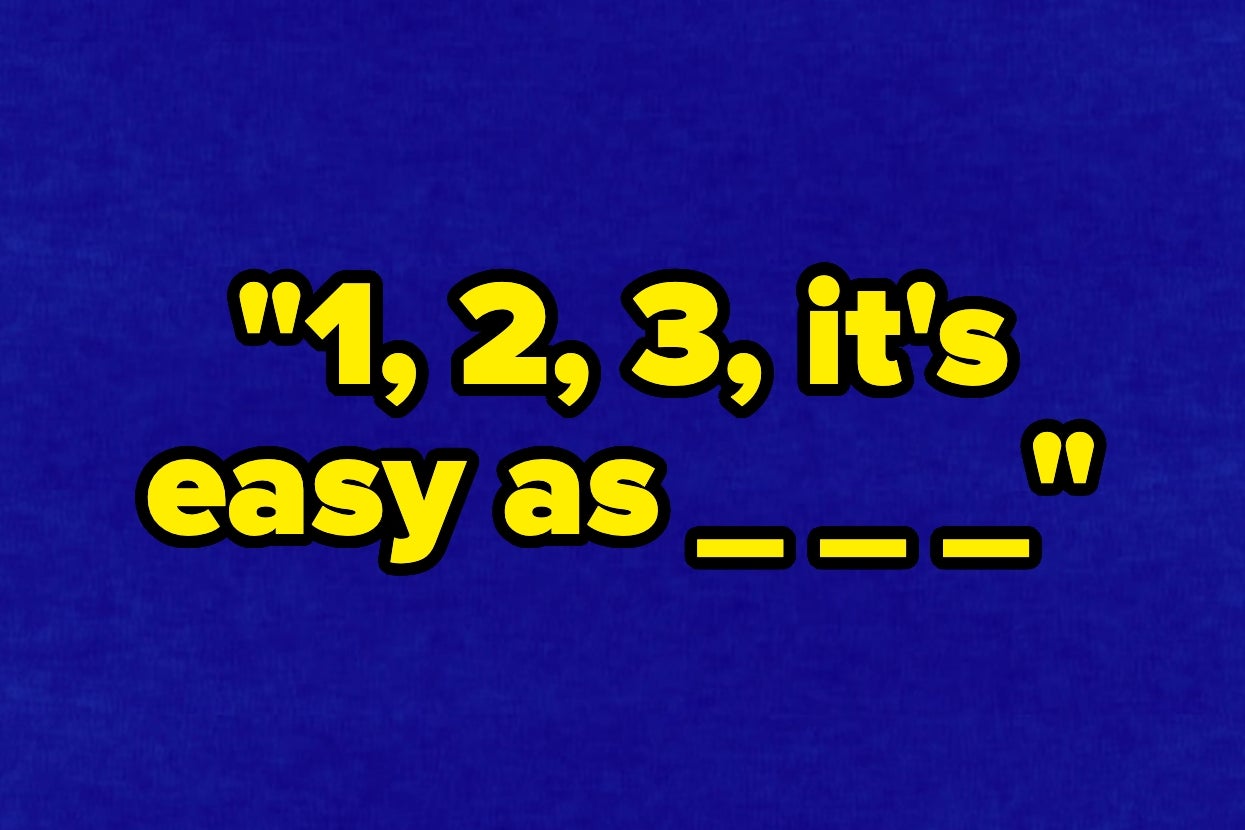
A recent social media trend has highlighted the lyrics of popular songs from the 1970s, suggesting that only those born in that era, particularly parents and grandparents, can fully appreciate and remember these iconic tunes. This phenomenon has sparked discussions about the evolution of music and its cultural significance over the decades.
The 1970s were a transformative period for music, giving rise to various genres such as disco, rock, and pop. Artists like Elton John, Fleetwood Mac, and David Bowie dominated the charts, producing hits that have become timeless classics. As nostalgia for this era continues to grow, younger generations are often left puzzled by references to songs that shaped the soundscape of their parents’ youth.
Generational Gaps in Music Appreciation
Many social media users have taken to platforms like TikTok and Instagram to share snippets of these lyrics, asking younger audiences if they can identify the songs. The overwhelming response has been one of surprise, with many realizing the extent to which popular culture has changed. It appears that the catchy hooks and memorable verses of the past may not resonate as strongly with today’s youth, who are more attuned to contemporary artists and styles.
The trend has also prompted a reflection on how music bonds generations. For example, family gatherings often feature sing-alongs of 70s hits, where grandparents and parents reminisce about their youth. Such moments highlight the role of music in shaping personal and collective memories.
Impact of Digital Streaming on Music Discovery
The rise of digital streaming platforms has altered how younger listeners discover music. Unlike previous generations who relied on radio and vinyl records, today’s youth often curate their playlists from an extensive array of genres and eras. This access to vast libraries can lead to an appreciation of classic songs, yet it may lack the same emotional connection that older generations experienced.
According to a study by the Pew Research Center, about 70% of adults aged 18-29 reported using streaming services as their primary means of consuming music. This shift means that while they may encounter 70s hits, the context and cultural significance often remain lost.
As the trend continues, many are calling for a more intergenerational dialogue about music. Engaging discussions about the impact of artists from the past can foster a deeper understanding and appreciation among younger listeners.
In conclusion, the nostalgic lyrics of the 1970s may only resonate fully with those who experienced them firsthand. However, through exploration and shared experiences, there is potential for a richer connection across generations in the world of music.