BREAKING: The tech landscape is on the brink of a seismic shift as pioneering trends are set to reshape our world by 2026. With advancements in artificial intelligence, robotics, and digital privacy technologies, the immediate future promises unprecedented changes in how we interact with technology.
New reports confirm that the influence of AI is accelerating, with the S&P 500 showing a staggering 26% year-on-year earnings growth for the “Mag 7” companies—Alphabet, Amazon, Apple, Meta, Microsoft, Nvidia, and Tesla—compared to just 1% for the rest of the index. This rapid evolution is not only transforming industries but also redefining consumer experiences and expectations.
As the tech world gears up for 2026, expert predictions highlight key trends that are already emerging. One of the most significant is the rise of agentic AI, systems capable of executing tasks autonomously and adapting dynamically to user interactions. This revolutionary shift could streamline daily activities, from managing IT support to personal shopping.
However, while AIs are making headlines, their environmental impact is raising urgent concerns. A report from the International Energy Agency indicates that a single query to ChatGPT uses approximately 10 times more electricity than a standard Google search. With escalating energy demands, the push for sustainable technology is critical. Experts anticipate innovations in AI algorithm optimization and renewable energy sources to address these challenges.
Privacy issues also loom large as consumers grapple with data security in an increasingly interconnected world. The emergence of privacy-enhancing technologies (PETs) is expected to gain traction as users seek greater control over their personal information. With Zcash offering users discretion over transaction visibility, the trend towards protecting data integrity is set to intensify.
Robotics is another frontier poised for explosive growth. Waymo recently reported completing more than 250,000 rides weekly across five U.S. cities, showcasing the potential for autonomous vehicles. The anticipated executive order from the U.S. government could further accelerate this growth, aiming to enhance American robotics capabilities in response to global competition.
Cybersecurity is evolving as AI becomes more integrated into threat detection. A recent report from Anthropic reveals AI’s role in executing cyberattacks autonomously, prompting a reevaluation of traditional defense strategies. The new model emphasizes behavioral monitoring, opening the door for more sophisticated protective measures.
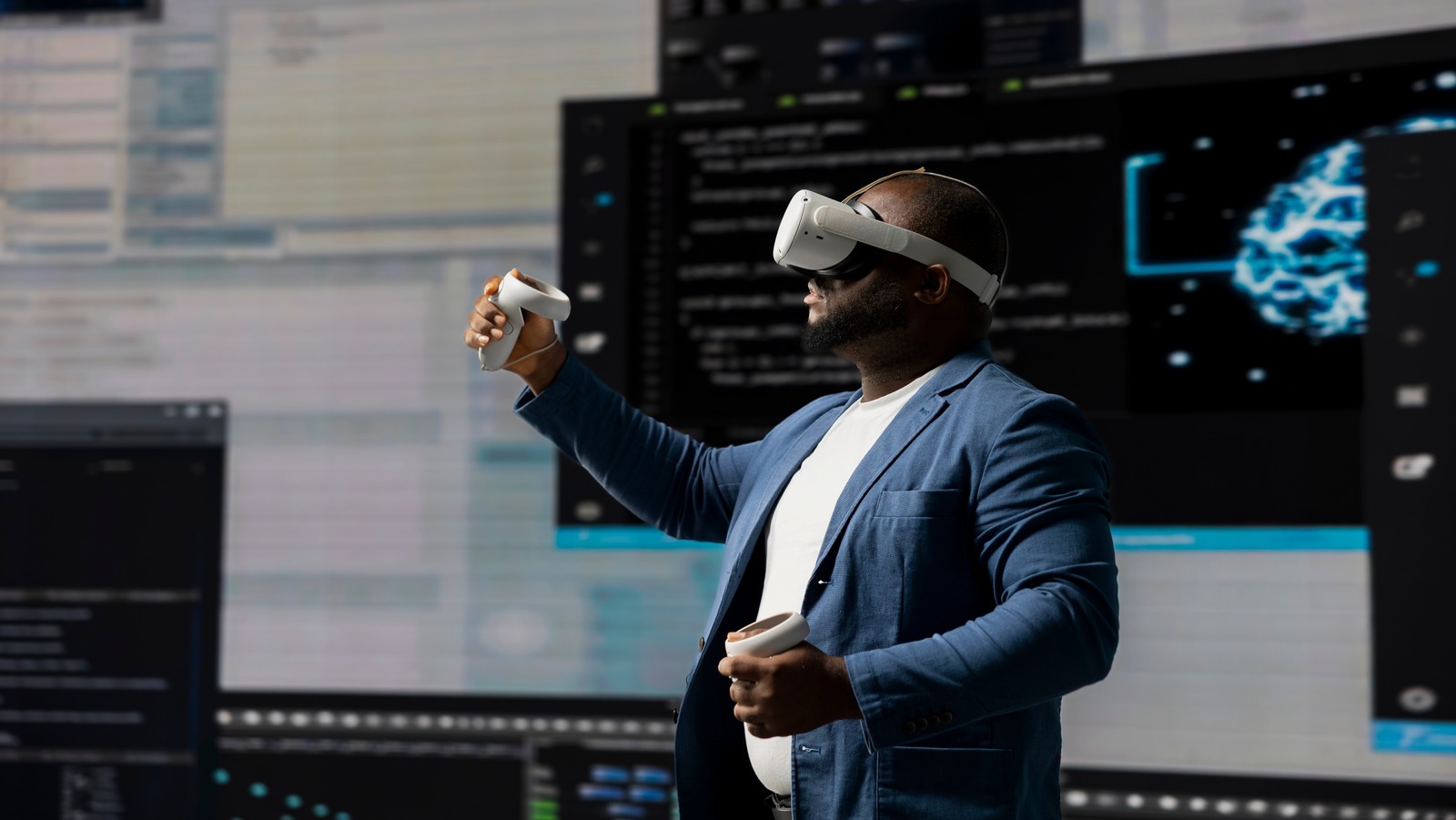
The shift from virtual reality to smart glasses indicates a significant change in the tech narrative. With sales of Meta’s Ray-Ban smart glasses tripling in early 2025, the demand for wearable tech is surging, presenting new opportunities for developers and consumers alike.
Digital twins, a technology merging physical and digital realms, are expected to see a 35% market growth by 2030. Used in industries like healthcare and aerospace, this technology is set to transform operational efficiency through real-time simulations.
The landscape of finance is also changing rapidly, with asset tokenization and digital currencies emerging as hot topics. The recent signing of the GENIUS Act signals U.S. governmental support for stablecoins, paving the way for broader cryptocurrency acceptance. Major financial institutions are shifting their stance, indicating a robust future for digital currencies in everyday transactions.
As these trends unfold, they will profoundly impact industries, economies, and individual lives. The urgency for businesses and consumers to adapt is palpable—those who embrace these innovations early could reap significant benefits.
Stay tuned as we continue to monitor these transformative trends leading up to 2026. With the tech world evolving at breakneck speed, the next wave of innovations will undoubtedly reshape our daily lives and the global economy.