UPDATE: Keir Starmer is facing intense scrutiny after allies and critics accused him of compromising the safety of UK military bases in Cyprus and Bahrain amid escalating threats from Iran. This urgent situation comes as regional tensions rise and Iranian forces increasingly target Western assets.
On Thursday, July 20, 2023, accusations surged in Westminster that Starmer’s government has responded inadequately to Iran’s aggressive actions. Critics argue that the government has limited its response to diplomatic protests rather than implementing decisive military measures or sanctions. Iran’s destabilizing influence in the Middle East, characterized by its support for militias and proxy forces, has heightened concerns over the security of British personnel stationed abroad.
The latest wave of criticism was triggered by Iranian attacks on facilities utilized by Western forces, including the aforementioned UK bases. Observers note that the government’s response has lacked the necessary urgency, with statements from Middle East Minister Hamish Falconer described as firm yet lacking substance. Falconer warned that Iran’s “reckless actions are threatening the security of the region and the safety of British nationals and must stop.” However, this language is perceived by some as a plea rather than a strong warning.
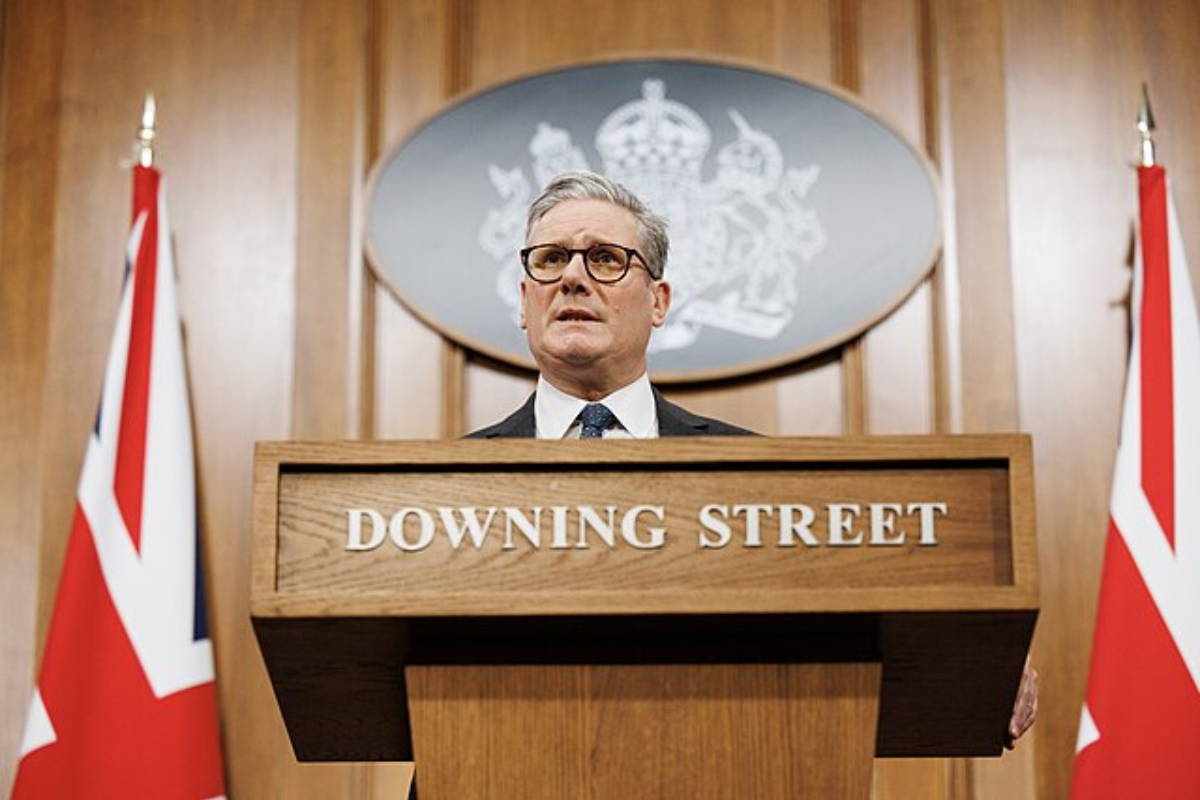
Inside government, allies of Starmer assert that he is deliberately avoiding escalation, opting instead for “calm, level-headed leadership.” Yet, public confidence appears to be waning. During a press conference, Starmer expressed concerns about British citizens being “worried sick,” leading some to view him as more anxious than assertive. His commitment to “do everything we can to protect British lives, uphold British values and safeguard the national interest” has been scrutinized amid criticisms of indecisiveness.
Supporters of the Prime Minister contend that sensitive diplomatic maneuvers are underway behind the scenes, while detractors argue that inaction is undermining Britain’s position. As regional partners like the French, Spanish, Dutch, and Greek naval forces visibly increase their presence in the eastern Mediterranean, critics claim Britain risks being sidelined.
Reports indicate that officials in Bahrain, Jordan, and the United Arab Emirates are increasingly frustrated with what they perceive as a tepid British response to Iran’s provocations. While these nations publicly maintain diplomatic decorum, there are growing concerns that they view Starmer’s leadership as lacking the necessary resolve to defend shared interests.
The political implications of this situation are significant. While criticisms from opponents like Kemi Badenoch and Nigel Farage highlight his perceived indecisiveness, the real concern lies in the potential perception shift among international allies. If traditional security partners view the UK as a “passenger” rather than a leader in regional stability, it could have long-term repercussions for Britain’s global standing.
Starmer’s office claims that restraint does not equate to inaction, emphasizing that military planners remain active despite the absence of visible responses. However, the optics of issuing a strongly worded press release in response to direct threats facing British servicemen and women are creating a narrative of weakness.
As Iran continues to test boundaries, the question remains whether Starmer’s cautious diplomacy will reassure allies and secure the safety of UK bases. The unfolding situation demands immediate attention, as the stakes for British personnel and national interests have never been higher. The political storm surrounding Starmer is intensifying, and the international community is watching closely.
With tensions escalating and challenges mounting, the Prime Minister must navigate this critical moment with clarity and resolve, or risk further undermining Britain’s influence on the global stage.