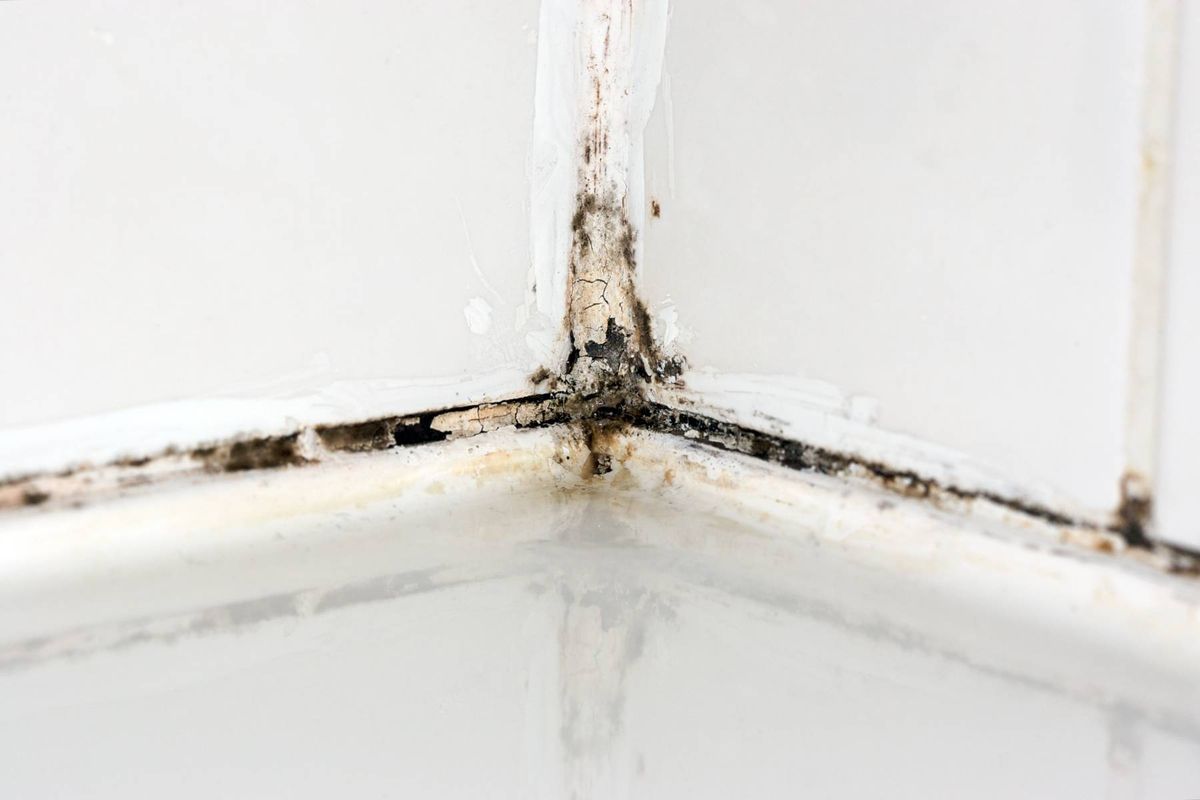
UPDATE: New expert recommendations have emerged on the most effective way to combat shower mould, urging homeowners to replace traditional bleach with 3% hydrogen peroxide. This urgent advice comes as many struggle to maintain clean bathrooms in humid conditions, with mould becoming a common issue.
Cleaning mould in the shower is a persistent challenge for homeowners. With showers often being one of the most frequently used spaces in the home, the warm and damp environment is a breeding ground for mould growth. As of January 17, 2026, experts are asserting that hydrogen peroxide is a game-changer in the battle against stubborn mould.
According to specialists consulted by Nicola Roy, the conventional wisdom of using white vinegar is outdated. Instead, they recommend hydrogen peroxide, which penetrates deeper into grout and eliminates mould more effectively than bleach. The findings were reported in the Express.
Alex Morrissey, founder of Best Roofers, described the process: “Apply 3% hydrogen peroxide on the grout, let it dwell for 10 to 15 minutes, then scrub with a stiff nylon brush and rinse.” For tough stains, he suggests creating a paste with bicarbonate of soda and hydrogen peroxide, applying it to the lines, and repeating until the mould is gone.
Home cleaning expert Nigel Bearman from Daily Poppins highlighted the advantages of hydrogen peroxide: “Bleach may whiten surfaces, but it often fails to penetrate porous grout, leading to quick mould reappearance.” He emphasized that hydrogen peroxide’s effectiveness lies in its ability to seep into the grout, providing a more lasting solution.
Before starting the cleaning process, proper surface preparation is essential. Morrissey advises removing water, soap scum, or residue to maximize the cleaning agent’s effectiveness. “Results improve when the soap film is stripped off first,” he explained, suggesting the use of a mild bathroom cleaner or a few drops of washing-up liquid in warm water for initial cleaning.
For those looking to prevent mould growth altogether, Brian Toward, CEO of Wholesale Domestic, notes two critical steps: “Ensure proper ventilation by using an extractor fan or opening a window after showers to reduce humidity. Additionally, wipe down tiles, grout, and sealant with a dry cloth to eliminate excess moisture.”
The shift towards hydrogen peroxide as a preferred cleaning agent highlights a significant change in home maintenance practices. As more people face the challenge of keeping bathrooms hygienic, this new approach could make a profound impact on household cleaning routines.
Stay tuned for more updates on cleaning innovations and expert recommendations. Share this information with friends and family to help them tackle mould issues effectively!