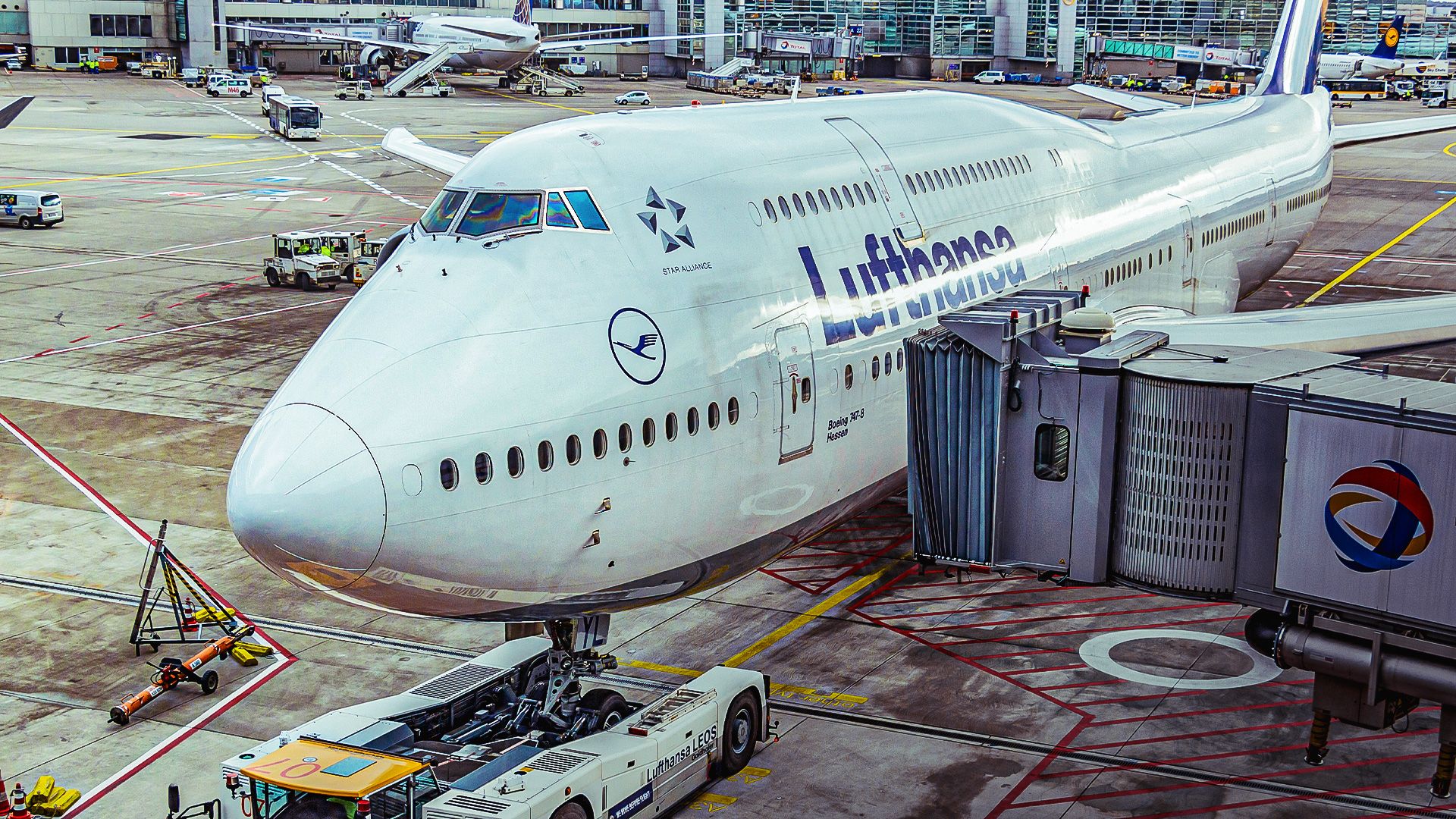
UPDATE: New insights reveal the critical role of crew rest areas in the Boeing 747-8, essential for maintaining safety on long-haul flights. As airlines push the limits with ultra-long-haul services exceeding 20 hours, understanding how flight and cabin crews rest is more urgent than ever.
Crew rest areas, often hidden from passengers, are vital for preventing fatigue among crew members. Regulations necessitate these spaces on long-haul aircraft, ensuring that pilots and flight attendants can recharge during flights that sometimes exceed 14 hours. The Boeing 747-8, known as the “Queen of the Skies,” features dedicated compartments that are crucial for crew well-being.
The pilot rest area is located just behind the flight deck on the upper deck. It contains two horizontal bunks, equipped with privacy curtains and soundproofing to minimize cabin noise. The cabin crew rest area is found in the aft section of the main deck, providing multiple bunks for flight attendants. Both are secured behind crew-only doors, emphasizing their exclusivity and importance for operational safety.
Why does this matter now? With airlines like Lufthansa operating some of the longest nonstop flights globally—such as the route from Frankfurt to Buenos Aires, covering approximately 6,198 nautical miles—the demand for effective crew rest facilities is skyrocketing. Similarly, Korean Air operates the longest nonstop flight by a 747-8, spanning 7,172 miles from Seoul-Incheon to Atlanta.
As the aviation industry evolves, the design and functionality of crew rest areas are also changing. Innovations such as circadian-friendly lighting and improved air circulation are being integrated into these spaces to enhance sleep quality. Airlines are shifting focus from merely complying with regulations to maximizing crew performance and safety through better rest solutions.
The future of crew rest areas may also include smart monitoring systems that track sleep quality, indicating a move towards data-driven fatigue management. As regulations tighten, airlines must adapt to new standards that prioritize crew welfare, ensuring safer flights for everyone.
The need for these rest areas reflects a larger trend in aviation, where comfort and safety converge to create a better flying experience for both crew and passengers. Understanding the hidden aspects of airline operations, such as crew rest facilities, is essential for appreciating the complexities of modern air travel.
Stay tuned for more updates on aviation innovations and the ongoing developments in crew safety and comfort. As airlines continue to adapt to longer flights, the importance of effective crew rest solutions will only grow.