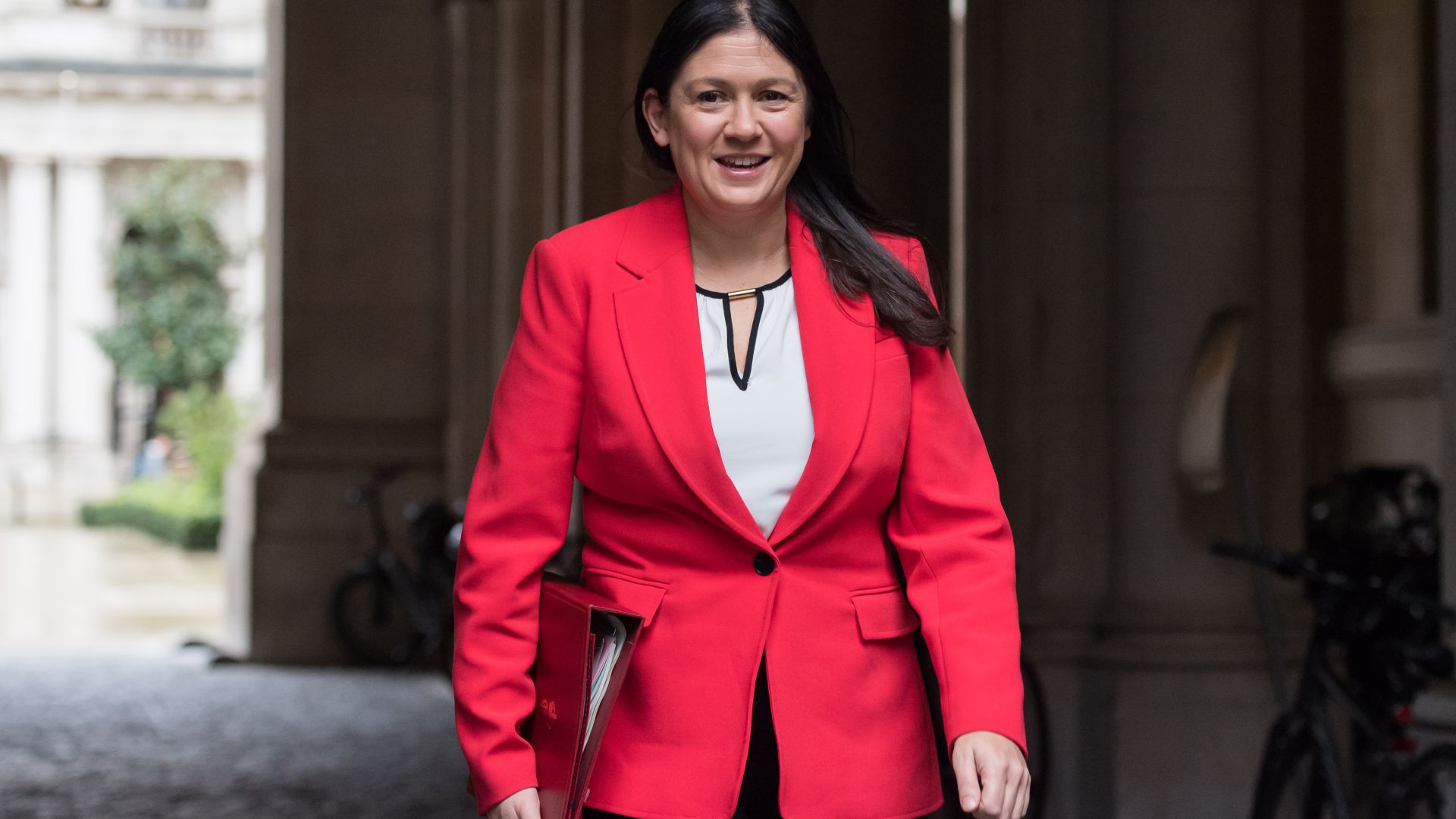
BREAKING: The BBC may soon introduce adverts or implement higher fees for wealthier households as part of a significant overhaul proposed by Culture Secretary Lisa Nandy. This urgent development, set to be detailed next week, signals a potential seismic shift in how the iconic broadcaster is funded amid increasing competition from streaming giants like Netflix and Amazon Prime.
During a fringe event at the Labour Party conference, Nandy highlighted a “mixed funding” model, dismissing the option of general taxation to finance the BBC. She stated that the upcoming proposals would explore various options, including a combination of the traditional licence fee, commercial funding, and subscription services.
Around 300,000 households abandoned their TV licences last year, contributing to a staggering loss of over £1 billion for the BBC as more viewers opted for streaming platforms. A recent public accounts committee report indicates that approximately 3.6 million people claim they do not need a licence.
The impending rise in the licence fee, projected to reach just under £197 by the next election, exacerbates the situation. The fee is already set to increase by £7 next year, pushing it beyond £180. With inflation driving costs up, the number of paying households is anticipated to drop by more than a million over the same period.
This review comes at a critical time for the BBC, following the recent resignations of director-general Tim Davie and BBC News chief Deborah Turness. These departures were triggered by a controversial Panorama documentary that sparked backlash over its editing of former President Trump’s remarks related to the Capitol riots. The BBC has since acknowledged an “error of judgment” in its handling of the situation.
Amidst these challenges, public figures like Nigel Farage are calling for the licence fee to be abolished entirely, arguing that the current model is “wholly unsustainable.” Farage advocates for a subscription-based model to better compete with other platforms.
The BBC has expressed its intention to remain accessible to all and is likely to reject outright suggestions of a subscription service during the upcoming 12-week consultation. A spokesperson for the BBC emphasized that the Government’s consultation aims to allow the public and industry stakeholders to influence the future of the broadcaster and the UK’s media landscape.
As the situation evolves, stakeholders and viewers alike are urged to stay informed about the potential changes that could reshape the BBC’s funding and operational strategies. The upcoming proposals are poised to spark intense debate over the future of public broadcasting in the UK.
This story is developing, and further updates will follow as more information becomes available. Stay tuned for the latest from the BBC and the Culture Secretary’s office.