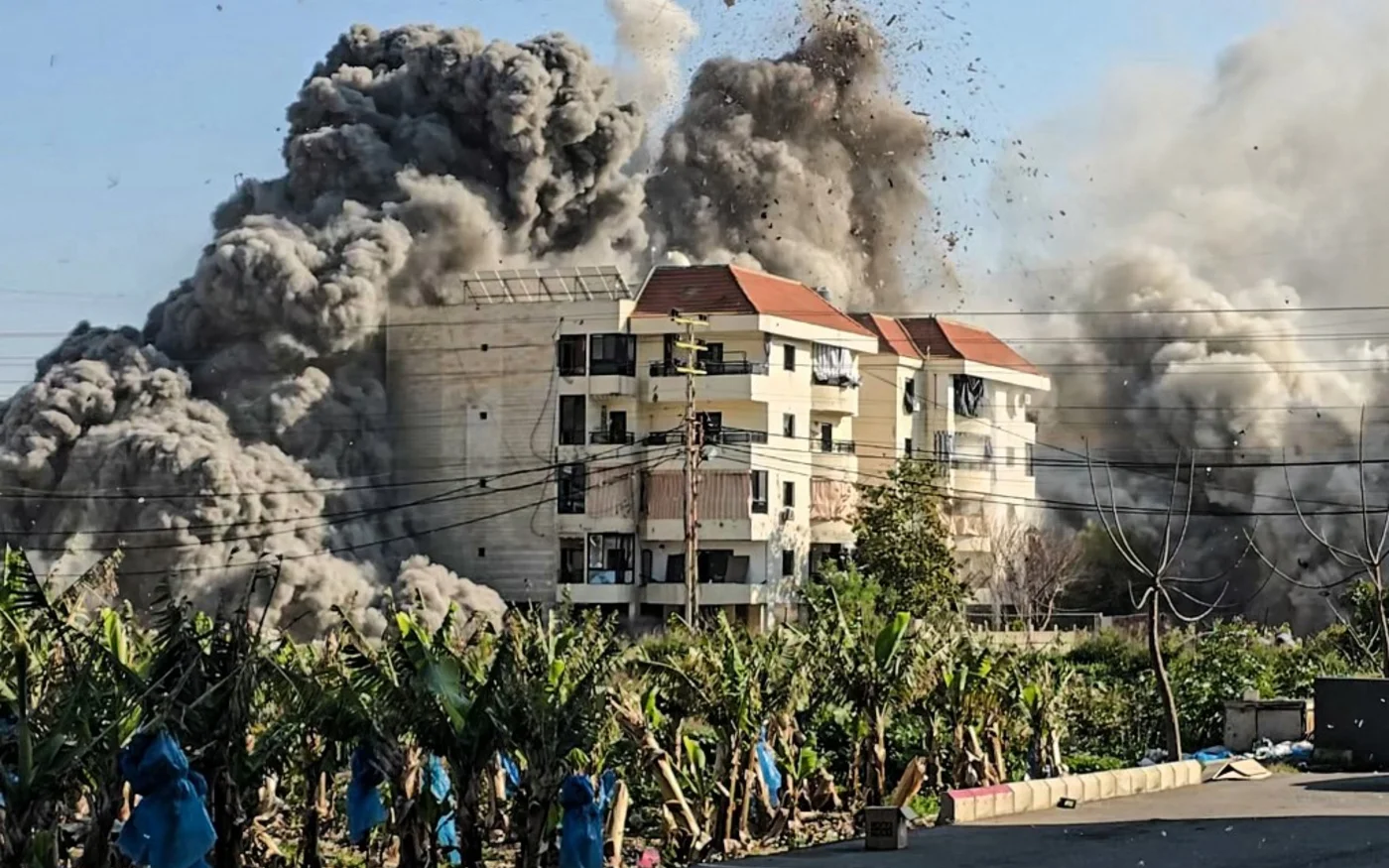
URGENT UPDATE: Africa’s condemnation of the abduction of President Nicolas Maduro by U.S. forces has sparked significant international dialogue. Following a shocking military raid in Caracas over the weekend that resulted in the deaths of dozens of civilians, African nations are raising their voices against this blatant violation of sovereignty.
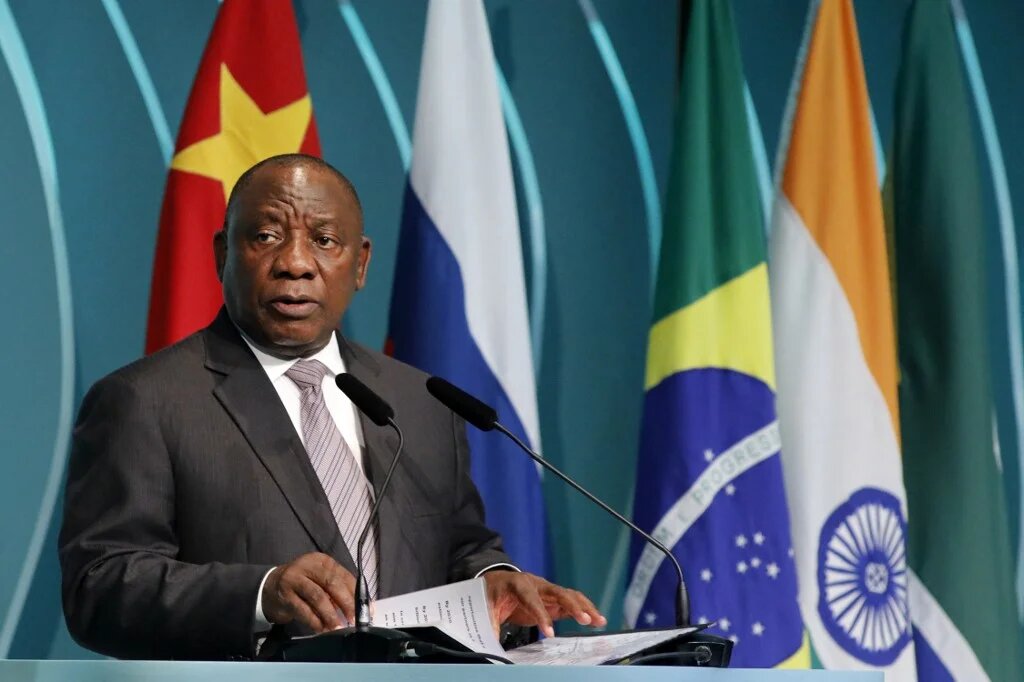
On January 5, 2024, the South African government issued a powerful statement, asserting, “Military invasions against sovereign states only produce instability and exacerbate crises.” This strong rebuke reflects a growing unease among African states regarding Western military interventions, especially amid ongoing conflicts such as those in Gaza and Sudan.
The urgency of this situation cannot be overstated. As countries like Colombia, Brazil, Chile, Mexico, and Uruguay joined in condemnation, Namibia’s Ministry of International Relations expressed its “shock” over the abduction, emphasizing that it constitutes a “violation of Venezuela’s sovereignty and international law.” Burkina Faso, Chad, and Ghana have also condemned the actions, highlighting a unified African stance against perceived imperialistic actions.
The African Union (AU) is now voicing its concern, stating it is “following with grave concern” the developments in Venezuela. This marks a rare moment of solidarity from the continent, urging a reevaluation of Western military strategies that have destabilized nations worldwide.
In stark contrast, responses from Western governments have been tepid. While some leaders, like the Prime Minister of Canada, have called for dialogue, the lack of decisive condemnation raises questions about their stance on international legality. The responses highlight a stark divide; African nations are openly challenging the narrative that justifies military aggression under the guise of security.
As the fallout continues, these African nations’ statements may not shift the balance of power in Venezuela but symbolize a refusal to comply with Western narratives. Their collective voice represents a significant moment in international diplomacy, urging a reconsideration of how military interventions are framed and executed on the global stage.
The developments in Venezuela are critical, not just for the region but for the entire world. As African nations assert their position, the ramifications could influence future diplomatic relations and military interventions globally.
In a world increasingly characterized by power imbalances, the act of condemnation from African states serves as a powerful reminder of the need for a more equitable international order. As these nations stand firm, the question arises: what will be the long-term consequences of this bold stance?
Stay tuned for further updates as this situation unfolds. The world is watching.