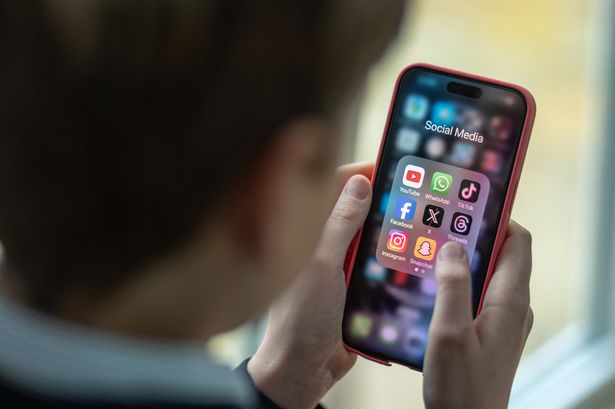
The United Kingdom is contemplating a ban on social media for users under the age of 16, inspired by a similar initiative currently underway in Australia. This potential policy shift aims to address concerns regarding the mental health and safety of young individuals online. As Australia marks its third month of this experimental social media blackout for minors, UK officials are assessing the feasibility and effectiveness of implementing a comparable measure in their country.
Australia’s approach began in June 2023, when the government initiated a trial restricting social media access for individuals aged 16 and younger. This decision was prompted by rising concerns about the impact of digital platforms on youth mental health. Preliminary findings indicate that many participants reported improved well-being and reduced anxiety levels during this period without social media.
The UK government is now evaluating the potential consequences of a similar ban. Officials are particularly interested in how such a restriction could affect young people’s social interactions and access to information. The initiative, if pursued, would likely involve collaboration with social media companies to ensure compliance and develop effective enforcement mechanisms.
Research conducted by mental health experts supports the notion that increased screen time and social media usage can exacerbate feelings of loneliness and depression among adolescents. According to a study published in early 2023, approximately 40% of young users reported experiencing negative effects on their mental health due to social media engagement. These findings have spurred discussions around online safety regulations and the responsibilities of digital platforms in protecting younger audiences.
Should the UK proceed with a ban, it may adopt a phased implementation strategy, allowing for adjustments based on feedback from parents, educators, and health professionals. Officials plan to engage with stakeholders, including child psychologists and educational institutions, to gauge the potential impact on youth development and well-being.
Critics of the proposed ban caution that limiting social media access could lead to unintended consequences, such as increased isolation among young people. They argue that social media can serve as a vital tool for connection and information sharing, particularly for those who may struggle with traditional forms of social interaction. Finding a balanced approach that safeguards mental health while preserving the benefits of social media will be a critical challenge for policymakers.
As the UK navigates this complex issue, the outcome of Australia’s trial may provide valuable insights. If the Australian experiment concludes with positive results regarding youth mental health, it could bolster the UK’s argument for implementing a similar ban. Conversely, if the trial reveals significant drawbacks, it may prompt UK officials to reconsider their approach to online regulations for minors.
The UK’s potential move towards a social media ban for under-16s is still in the early stages of discussion. As officials weigh the benefits and drawbacks of such a policy, the ongoing developments in Australia will serve as a key reference point in shaping future decisions regarding the online safety of young people.