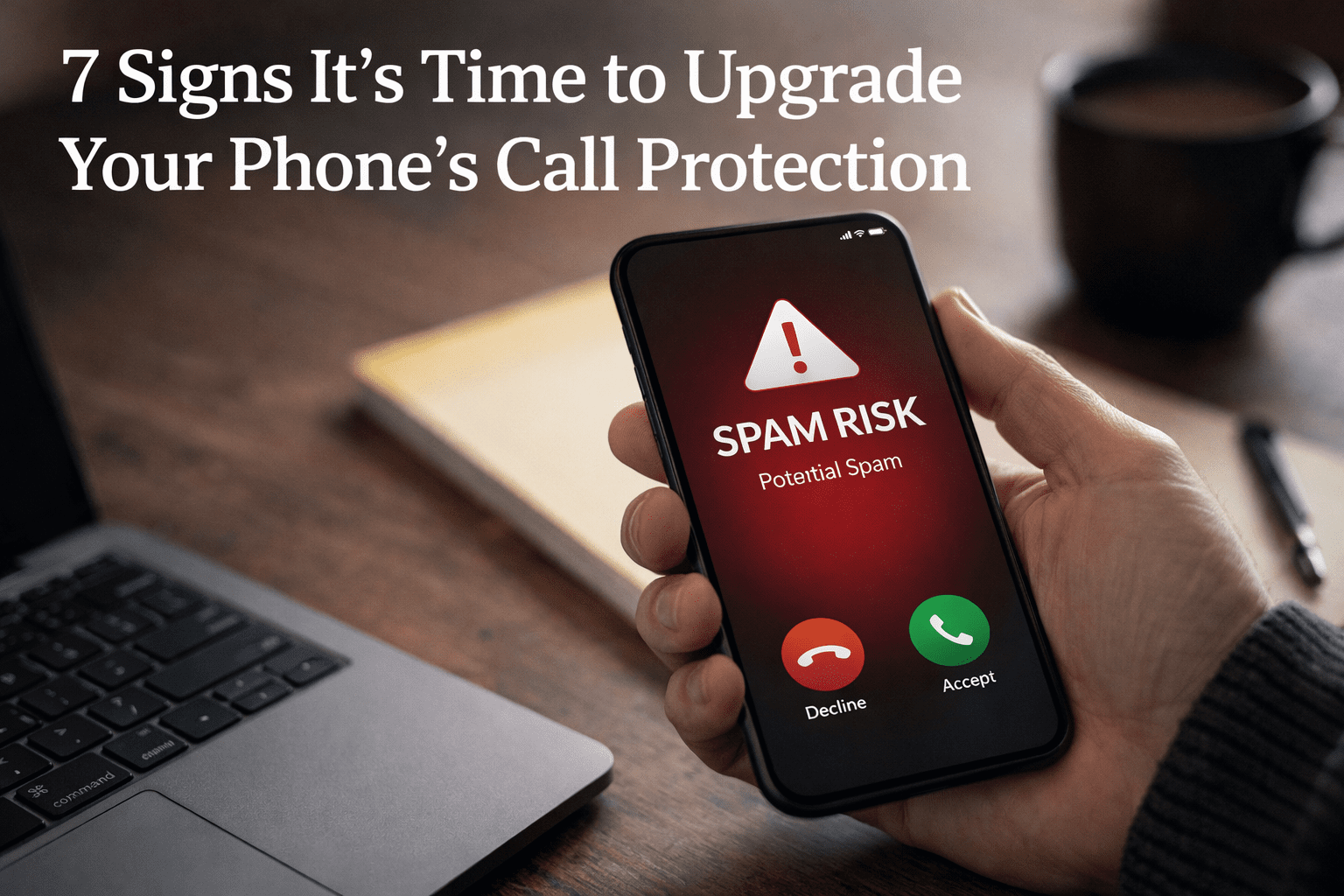
Concerns about unwanted phone calls are prompting many individuals to reassess their call protection systems. As spam callers become increasingly sophisticated, those relying on outdated call-blocking tools may find their daily phone experience frustrating and potentially risky. The question is no longer whether call protection is necessary, but rather if the current solution is effective enough to handle modern threats.
Increased Unwanted Calls Signal a Need for Change
A noticeable rise in unwanted calls is one of the most compelling indicators that your current call protection measures may be inadequate. Spam callers frequently rotate their numbers and employ techniques like caller ID spoofing, making it easy for them to bypass outdated filtering methods. Traditional call-blocking lists often rely on static databases of known spam numbers, which can quickly become stale. Up-to-date call protection systems utilize real-time data and machine learning to detect new threats before they reach your phone.
If you find that more calls are slipping through the cracks, it is crucial to address this technical gap. Effective call protection should not only block unwanted calls but also help users identify legitimate callers.
Caller ID: More Than Just a Name and Number
Once considered revolutionary, basic caller ID features are now merely standard. Modern call protection should provide additional context, including a reputation score for incoming numbers based on community reports. Features such as labels indicating “Likely Spam,” “Telemarketer,” or “Robocall” should be standard practice. If your caller ID merely displays a number without further context, it may be time to seek an upgrade.
Confidence in answering calls from unknown numbers should be a hallmark of a reliable call protection system. If your default response has shifted towards ignoring unfamiliar numbers, your current setup is failing to provide adequate information. Calls from doctors’ offices, delivery services, or job recruiters may be missed if your call protection cannot distinguish between legitimate and spam calls.
Many individuals have resorted to letting unknown calls go to voicemail. This avoidance strategy can lead to missed opportunities and important communications. A modern call protection system should include tools that enable users to research unknown numbers before deciding to return a call. Online lookup tools can provide valuable information, helping users determine whether a number is safe to call back.
Addressing the Threat of Number Spoofing
With the rise of number spoofing, where scammers disguise their calls to appear local or legitimate, effective call protection is more important than ever. Many individuals are more likely to answer calls that seem familiar. If your call protection cannot detect spoofed numbers or flag suspicious patterns, it may leave you vulnerable to scams.
Advanced call protection solutions employ behavioral analysis techniques to identify patterns indicative of spoofing, even when the caller ID appears legitimate. A call that looks like it is coming from a neighbor could actually be a robocall originating far away, and outdated protection systems may miss this critical threat.
As scammers become more sophisticated, personalizing their calls to reference your name or recent transactions, traditional call screening may not suffice. The emergence of voice phishing, or vishing, means that calls may not feel like typical scams at first glance. Effective call protection should flag unusual call patterns associated with your number, prompting users to verify the identity of callers before sharing any personal information.
Customizability is Key for Effective Call Protection
A reliable call protection tool should empower users with control over their settings. If your current system does not allow for the manual addition of numbers to block lists, whitelisting contacts, or adjusting sensitivity levels, it may be time for an upgrade. Different individuals have varying call needs, and a one-size-fits-all solution may not be sufficient.
For instance, a freelancer may require different settings than someone who primarily communicates with saved contacts. A small business owner might need greater flexibility in managing incoming calls. The right call protection system should adapt to individual lifestyles, offering granular control while performing its protective functions automatically.
Upgrading your call protection does not necessarily require switching carriers or purchasing new devices. In most cases, it involves selecting a more effective app or service that consolidates essential capabilities. A modern setup typically includes features like continuously updated spam databases, caller reputation scores based on community feedback, and robust spoofing detection.
Effective call protection should alleviate the stress of managing unknown calls, filtering out undesired noise while ensuring that necessary communications are not lost.
Before committing to a call protection tool, it is essential to ask specific questions about its functionality. Inquire whether the threat database is regularly updated, how transparent the app is regarding flagged calls, and whether it allows users to override decisions made by the system. A good call protection app should act as a knowledgeable assistant, providing clarity on suspicious calls while confirming legitimate ones.
Investing time in evaluating your call protection options can lead to a significant improvement in your phone experience, allowing you to handle calls with confidence.