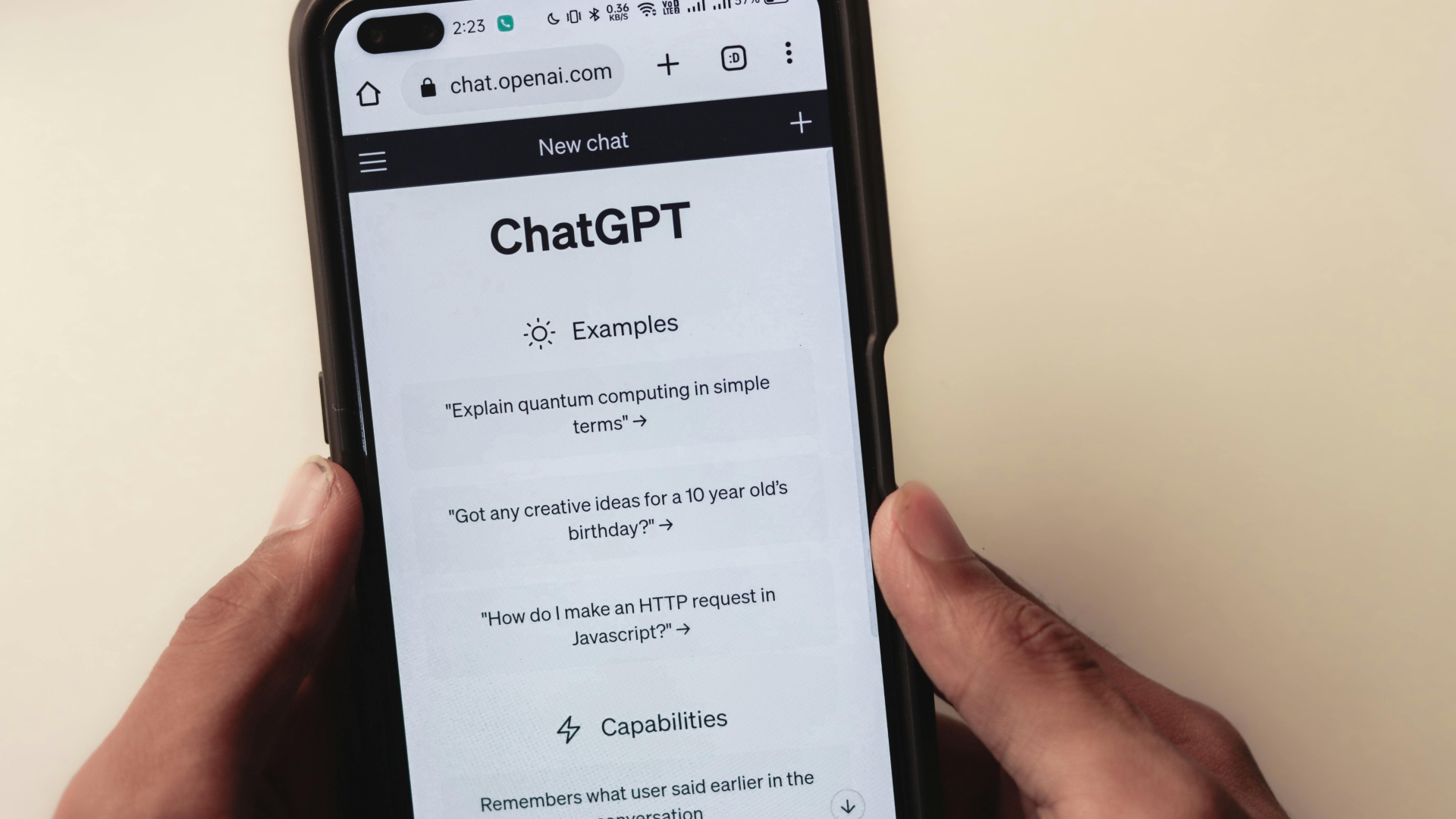
OpenAI has announced plans to introduce an “adult mode” for ChatGPT, set to launch in the first quarter of 2026. This feature will require users to verify their age through an AI-driven system that assesses conversational behaviour and language patterns. The aim is to create a more accountable AI experience for adult users while navigating an increasingly regulated digital landscape.
Fidji Simo, the CEO of Applications at OpenAI, confirmed the upcoming feature but did not elaborate on its specific functionalities. The adult mode is designed to enhance user experience by allowing greater freedom in discussions that may involve sensitive topics such as sexuality, mental health, and relationships. This shift comes in response to user feedback regarding the platform’s overly cautious approach to certain subjects.
OpenAI’s new age prediction system is a significant departure from traditional methods of age verification. Rather than relying on users to self-report their ages, this model attempts to infer whether a user is under 18 years old based on their engagement with the platform. Currently being trialled in select countries, this system aims to mitigate the risk of misclassifying users, which could expose OpenAI to legal repercussions.
The stakes are high for OpenAI, especially following a wrongful death lawsuit that alleged harmful guidance from ChatGPT to a teenager. Although the company disputes these claims, the incident highlighted the potential emotional impact of AI on vulnerable users. In response, OpenAI has tightened parental controls and implemented stricter content guidelines, which will now support the transition to adult mode.
Balancing Freedom and Responsibility
OpenAI’s leadership has made it clear that the primary intent behind the adult mode is not to facilitate explicit content but rather to provide a platform for mature discussions. Sam Altman, the company’s CEO, has articulated a vision where adult users can engage in more nuanced conversations that have previously been deemed inappropriate for all audiences. The company hopes to strike a balance between allowing freedom of expression and adhering to legal responsibilities in a regulated environment.
As OpenAI works toward launching this feature, it faces scrutiny not just from users but also from regulatory bodies worldwide. Governments are increasingly drafting regulations concerning online age verification and AI safety. By proactively establishing age-aware systems, OpenAI positions itself as a compliant entity rather than a reactive one, potentially setting a precedent for the industry.
The Future of AI Interaction
From a commercial perspective, the adult mode could serve as a premium offering within the ChatGPT ecosystem. As AI assistants become more personalized, users are looking for greater control over their interactions. An adult-only tier may not only enhance user satisfaction but also drive subscription growth, appealing to a demographic that seeks a more engaging experience.
If successful, ChatGPT’s adult mode could influence the broader AI landscape, promoting a model of segmented responsibility. By allowing adult users to access a more expansive range of discussions while maintaining a conservative approach for younger audiences, OpenAI is poised to redefine how AI can engage with users in a responsible yet meaningful way. The anticipated launch of this feature is a significant step in the evolution of AI technology, reflecting an ongoing commitment to accountability and user empowerment.