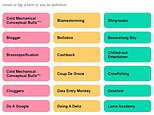
Language evolves rapidly, and a recent analysis by the language learning app Preply has highlighted the slang terms that defined the early 2000s. The study unveiled a glossary from 2002, originally produced by the BBC, showcasing a mix of enduring phrases and those that have since fallen out of favor.
Among the terms that have stood the test of time are words like ‘blogger’, which saw a staggering 1,245 percent increase in usage from 2002 to 2022. According to Anna Pyshna, a spokesperson for Preply, this surge reflects the profound impact of technological advancements on our language. The term has become a staple in everyday vocabulary, particularly as the digital landscape continues to evolve.
Another term, ‘babe’, a casual term of endearment, has also gained popularity, increasing by 245 percent over the same period. Similarly, the word ‘buzzing’, which denotes excitement, rose by 209 percent. Pyshna notes that while ‘buzzing’ originally referred to the effects of drugs, it has since adapted to convey a broader sense of enthusiasm.
Shifts in Slang: From ‘Bling-tastic’ to ‘Extra’
While some expressions have become more prevalent, others have transformed significantly. For instance, ‘bling-tastic’, once used to describe ostentatious displays of wealth, has evolved into ‘extra’. This shift signifies a cultural move away from materialism towards a focus on self-expression and individuality. Pyshna elaborates, stating that while ‘bling-tastic’ emphasized luxury, ‘extra’ reflects a broader cultural trend embracing personality and performance.
Another example is ‘minging’, which has been replaced by ‘ick’. The rise of this term can be linked to social media and reality television, particularly in the context of dating shows. Pyshna explains that ‘ick’ conveys a more nuanced, emotionally driven approach to communication and dating.
Furthermore, the term ‘baller’, deeply rooted in hip-hop and sports culture, has transitioned to ‘boss’. This change illustrates a societal shift from a focus on monetary success towards empowerment and personal achievement.
The Role of Slang in Modern Communication
The study underscores the dynamic nature of language as it adapts to cultural and technological changes. Slang not only reflects but also influences how individuals connect and communicate within their communities. As society evolves, so too does the language we use, highlighting the importance of cultural context in understanding communication.
The findings from Preply’s analysis serve as a reminder of how language can evoke nostalgia and foster connections to the past. As new generations emerge, they will likely create their own lexicon, ensuring that the evolution of language continues to be an exciting and ever-changing phenomenon.
In conclusion, the 2002 slang glossary offers a fascinating glimpse into the past, reminding us of the words that once dominated conversations and how they have shaped contemporary language. As we continue to navigate the complexities of communication in an increasingly digital world, staying aware of these shifts can enhance our understanding of social dynamics and cultural identity.