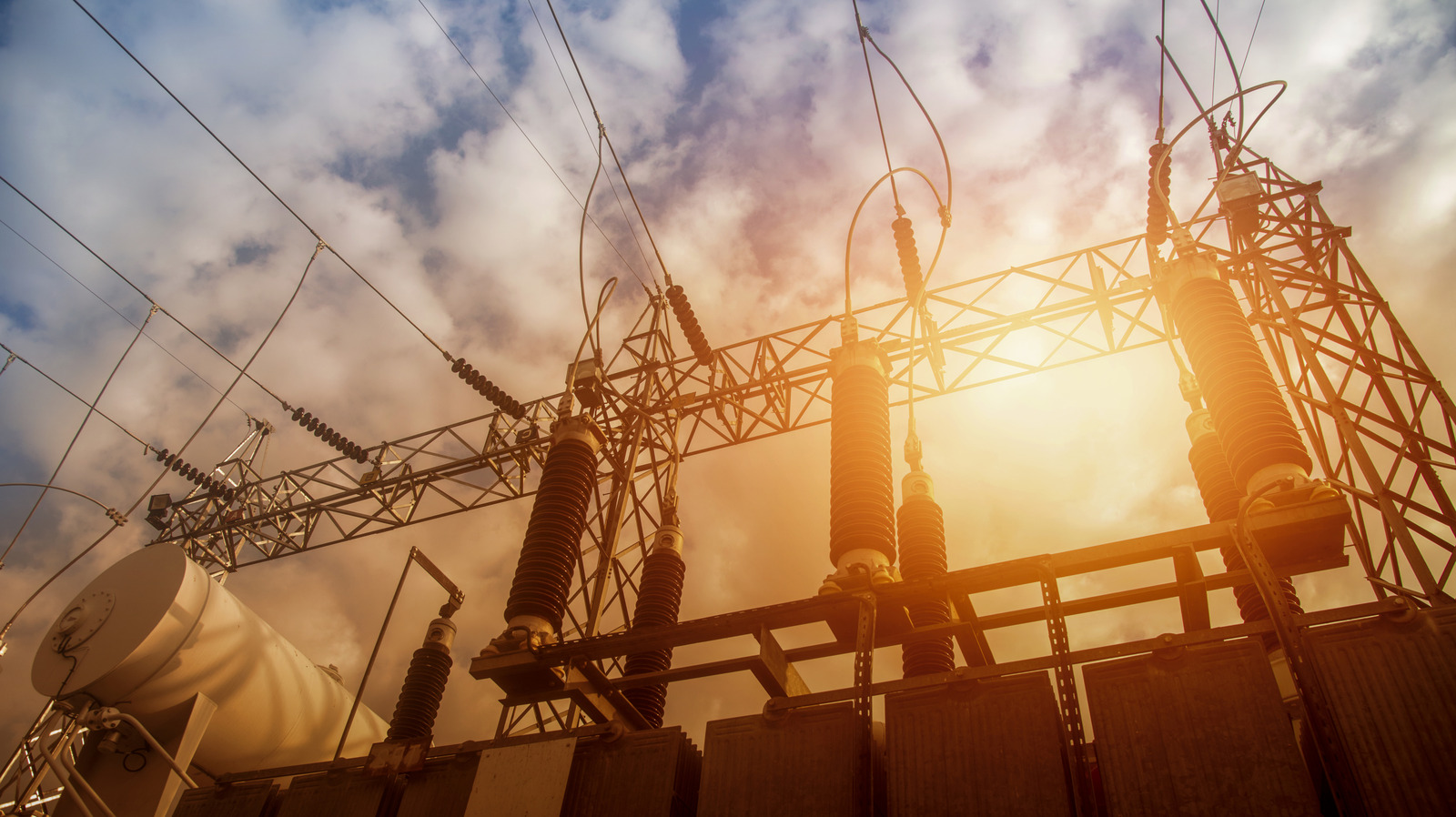
China has unveiled the world’s most powerful smart direct current (DC) transformer, marking a significant advancement in its energy infrastructure. This transformer, rated at an impressive 750 million volt-amps (MVA), was brought online in late 2025 and is designed to enhance the stability and reliability of long-distance power transmission. Manufactured by Changzhou Xidian Transformer, this cutting-edge technology aims to address the challenges posed by fluctuating energy demands, particularly in regions reliant on renewable sources.
Understanding Smart Transformations
Smart transformers are equipped with real-time control systems that enable operators to adjust key parameters such as current, temperature, and voltage. In the case of China’s latest unit, it is integrated within a high-voltage direct current (HVDC) system, which is more efficient for transmitting substantial amounts of electricity over considerable distances compared to traditional alternating current (AC) systems.
This new transformer represents a significant leap from previous HVDC transformers in China, which had a capacity of 587.1 MVA. When those earlier units were installed, they set a record for capacity, but they have now been surpassed by this latest model. The upgraded technology is crucial as China continues to expand its renewable energy sector, which has faced challenges in effectively integrating variable energy sources like wind and solar power.
Addressing Grid Instability
China’s power infrastructure has encountered substantial challenges, particularly following a power failure in the northwest region in the fall of 2024. This incident was attributed to “low-frequency power oscillation,” where sudden fluctuations in supply and demand destabilized the electricity flowing through the grid. This instability posed risks not only to the Xinjiang area but to the broader national grid.
The intermittent nature of renewable energy sources exacerbates these issues. For instance, solar panels generate less power on cloudy days, and wind turbines require specific wind speeds to operate effectively. Consequently, maintaining a balanced supply and demand becomes increasingly complex.
In 2025, some regions in China experienced an inability to utilize all the electricity generated from renewable sources. This led to government interventions to limit output in certain areas, illustrating the pressing need for advanced solutions to ensure that renewable energy can be efficiently integrated into the national grid.
China’s commitment to expanding its renewable energy capacity is evident, yet the challenge remains to ensure that the electricity produced can be effectively transmitted and utilized. The launch of the 750 MVA smart transformer is a crucial step toward enhancing the reliability and efficiency of the country’s power grid, ultimately supporting China’s goals for a sustainable energy future.