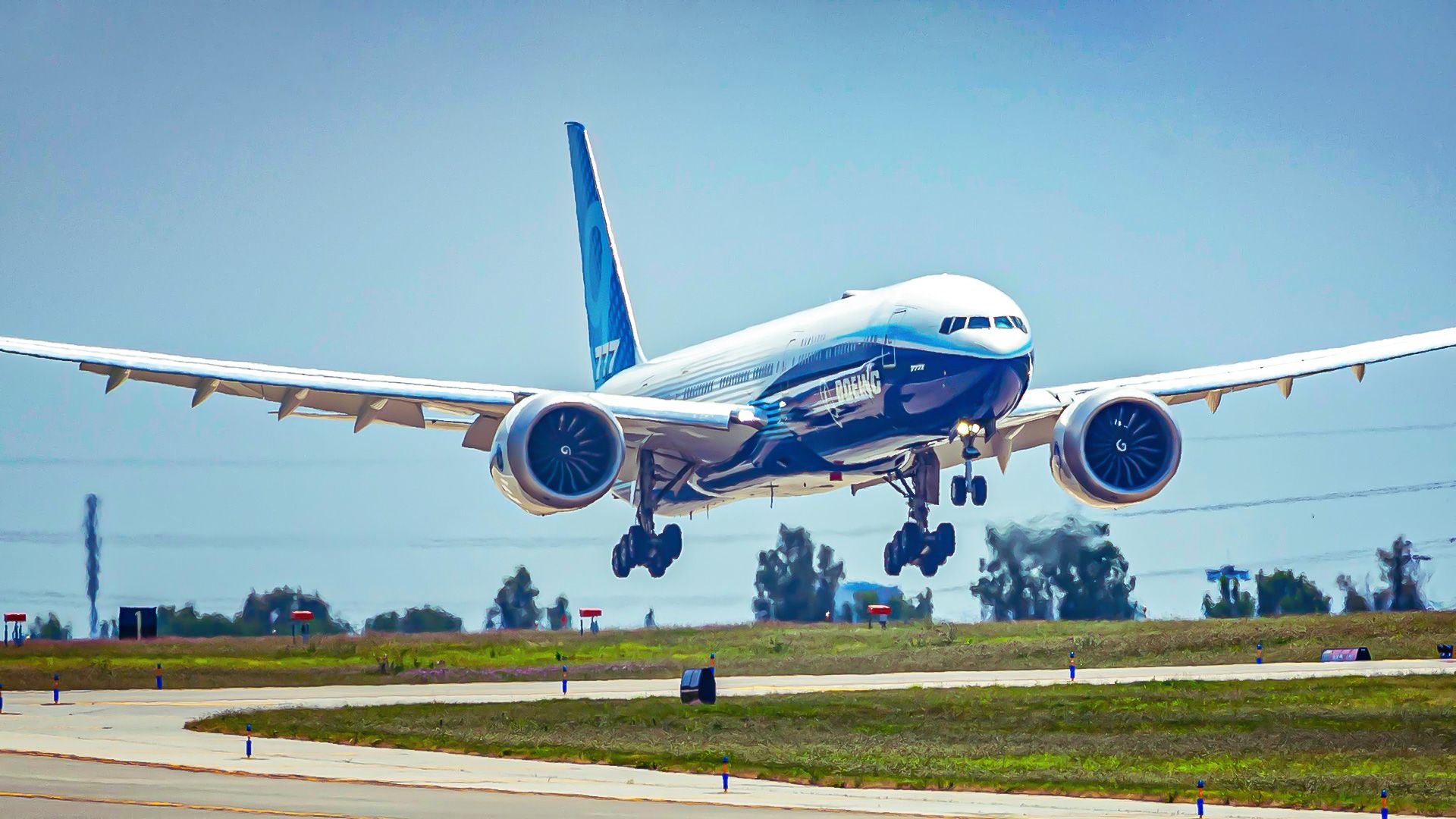
The highly anticipated Boeing 777X will not see its first deliveries go to its launch customer, Lufthansa, as the manufacturer focuses on delivering newer aircraft that adhere to updated production standards. The decision comes amidst ongoing delays in the program, pushing the expected entry into commercial service to 2027. Despite having built at least 26 units of the 777X, Boeing aims to minimize further delays by prioritizing the delivery of newly produced jets.
Boeing’s 777X program is meant to modernize a long-established aircraft design, positioning it as the largest twin-engine commercial airliner. However, the timeline for its certification has been plagued by repeated setbacks, with the initial target for FAA certification set for 2020. According to a report from The Seattle Times, 26 777X aircraft have already been manufactured, with four specifically designated for testing and certification purposes. Current satellite data indicates that there are as many as 32 aircraft parked at Boeing’s Paine Field facility, located north of Seattle, further complicating the delivery schedule.
Production Strategy and Certification Challenges
Boeing’s approach to producing aircraft before obtaining certification is not unprecedented. Similar strategies were employed during the development of the 787 Dreamliner. The rationale is straightforward: having completed aircraft ready for testing expedites the certification process. The four aircraft earmarked for certification were built between March 2019 and September 2020.
The production of 777X aircraft is crucial for several reasons. First, fully constructed test aircraft are essential for conducting necessary ground and flight tests. Additionally, having aircraft available for promotional events, such as the upcoming 2025 Dubai Airshow, enhances Boeing’s marketing efforts. By producing a substantial number of 777X jets prior to certification, Boeing can significantly reduce delivery delays once the aircraft is finally approved.
Boeing’s decision to deliver newer aircraft first is a strategic move to address minor differences that have emerged in design specifications throughout the certification process. For instance, a recent discovery of broken thrust links on a test aircraft led to a four-month grounding as modifications were developed. Aircraft constructed earlier will require maintenance to incorporate these updated designs, whereas new aircraft will already include them, streamlining the delivery process.
Future Prospects for the 777X
The challenges facing the 777X program stem from various factors, including the impact of the COVID-19 pandemic and scrutiny arising from earlier Boeing incidents, particularly those involving the 737 MAX series. Regulatory pressure has intensified, necessitating improvements to safety and production protocols.
Despite these obstacles, the 777X is expected to play a pivotal role in many airlines’ fleet strategies. Once certified, it promises enhanced fuel efficiency and passenger comfort, making it an attractive choice for carriers looking to modernize their fleets. Currently, Emirates leads with the largest order, having placed an order for 270 units, followed by Qatar Airways with 124 orders.
Boeing plans to ramp up initial production rates to between three and five airplanes per month, ensuring a balanced delivery schedule for its customers, which include major airlines worldwide. As the company prepares for the eventual launch of the 777X, the focus remains on achieving certification and fulfilling its commitments to airlines that have long awaited this next-generation aircraft.