Technological advancements in 2025 have unveiled a range of innovative and unconventional products that reflect the creativity and ambition of the tech industry. From intelligent humanoid robots to quirky gadgets, this year has shown that the future may be stranger than we ever imagined. As artificial intelligence (AI) and robotics continue to evolve, the spotlight has shifted not only to groundbreaking innovations but also to delightful side projects that capture the imagination.
Humanoid Helpers and Playful Companions
One of the standout developments has been the introduction of the humanoid robot, NEO, presented by 1X Home Robots. This device serves as a consumer-ready home assistant capable of performing various household tasks, such as folding laundry and organizing shelves. Equipped with a large language model, NEO learns user preferences through verbal or manual commands via an app. It also features WiFi, Bluetooth, and a three-stage speaker, allowing it to double as an entertainment system.
In the realm of pet care, the Woofwoof Lux has redefined dog bathing with its AI-powered washing pod. This machine customizes wash modes based on a dog’s breed and coat type, using gentle water jets and pet-safe shampoos to ensure a stress-free experience. While not available for purchase, dog owners can try this innovative service at Paws 48, a dog gym and grooming facility located in the United States.
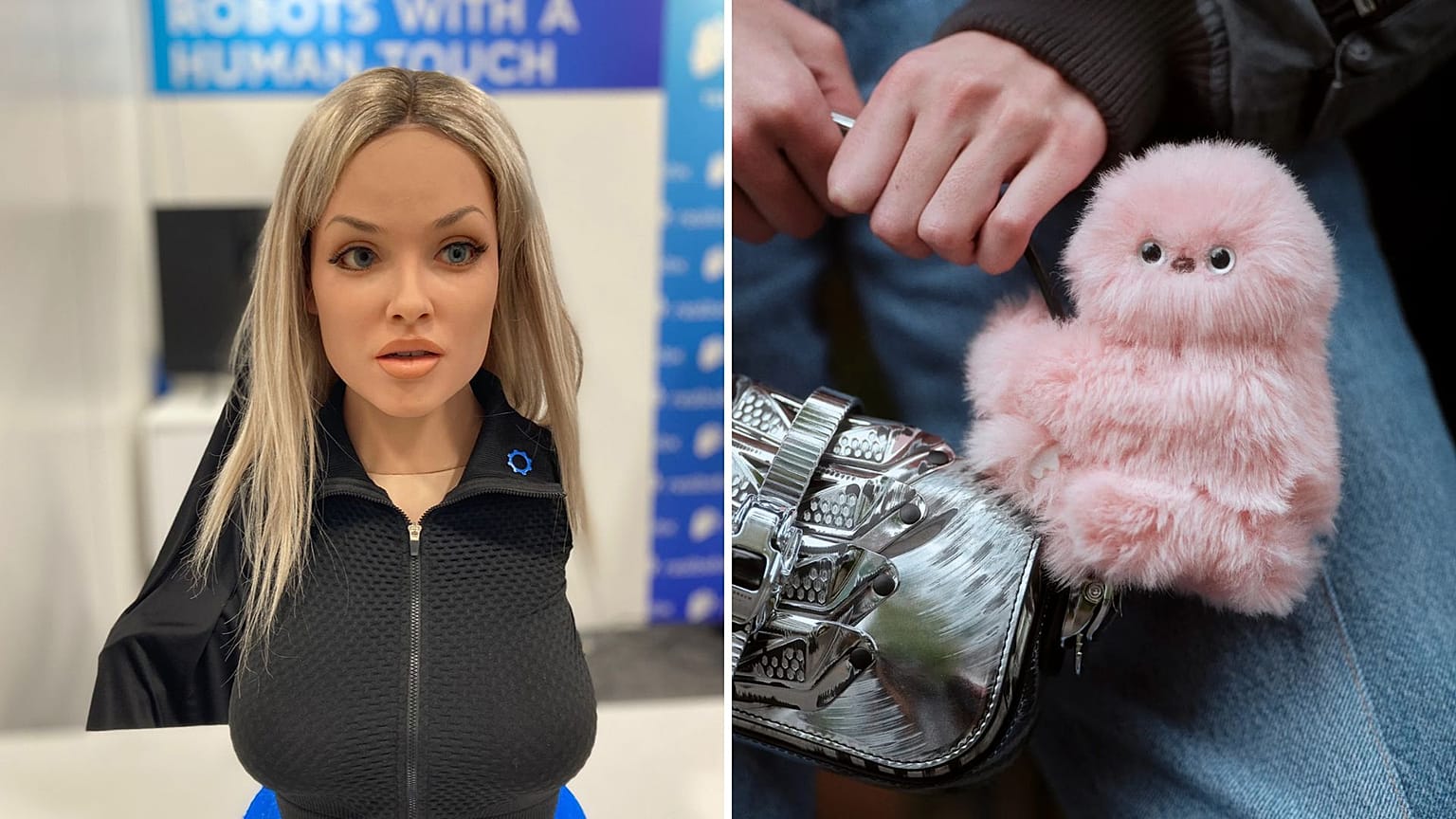
Another interesting addition is Mirumi, a fluffy wearable companion created by Yukai Engineering. This adorable clip-on robot has sensors and googly eyes that respond to nearby objects and people. Designed to cling to everyday items like bag handles, Mirumi is set for general release in April 2026.
From Customizable Robots to Everyday Gadgets
For those seeking a more advanced robotic companion, the Ropet offers a unique handheld experience. This sensor-packed device listens, remembers faces, and understands hand gestures. It vibrates warmly when petted and can change its eye colors to match tiny accessories. Ropet is designed for low-maintenance companionship, requiring no feeding while always appreciating attention.
In an unexpected twist, the Skincase has emerged as a smartphone accessory that mimics human skin. Developed by researcher Marc Teyssier in collaboration with Virgin Media O2, this silicone phone case changes color when exposed to UV light, effectively reminding users to apply sunscreen throughout the day.
Another notable innovation is the customizable humanoid robot named Aria, introduced by Realbotix. Positioned as a companion for emotional support rather than physical intimacy, Aria features advanced capabilities such as complex eye tracking and object recognition. It can be customized with modular parts, allowing users to create their ideal companion. Prices start at $10,000 (€9,700) for a basic model and can reach up to $175,000 (€170,000) for fully functional versions.
In the culinary world, Spicerr, the first AI-powered spice dispenser, aims to enhance cooking experiences. This gadget uses AI to determine the exact amount of spice needed for recipes, eliminating the guesswork associated with traditional spice containers.
Lastly, the Smart Lipstick prototype from Grupo Boticário introduces a hands-free application method. Utilizing AI and computer vision, this device maps and applies lipstick in approximately two minutes, making it a convenient solution for busy mornings.
These remarkable innovations reflect the exciting possibilities of technology in 2025, showcasing how creativity and functionality can combine to enhance everyday life in unexpected ways.