The Welsh Sheep Genetics Programme (WSGP) has achieved remarkable success, showcasing the significant impact of genetics in enhancing the economic viability and environmental sustainability of sheep farming in Wales. A comprehensive review conducted in 2025 highlights substantial financial returns and scientific advancements, reinforcing the critical role of genetic enhancement in Welsh sheep flocks.
With a network of 87 performance-recording flocks and over 14,500 ewes across Wales, the programme has engaged farmers in a transformative process. Participants have reported an average annual margin uplift of £3.50 per ewe, translating to a collective financial benefit of £50,750. This improvement stems from an impressive cumulative rate of £0.91 per ewe per year, demonstrating the programme’s effectiveness in driving profitability.
Productivity Gains and Innovative Practices
Flocks involved in the WSGP have also experienced significant productivity boosts, including an average increase of 1 kilogram in lamb weight and a 3% rise in lamb survival rates. These enhancements provide further economic advantages to Welsh agricultural enterprises.
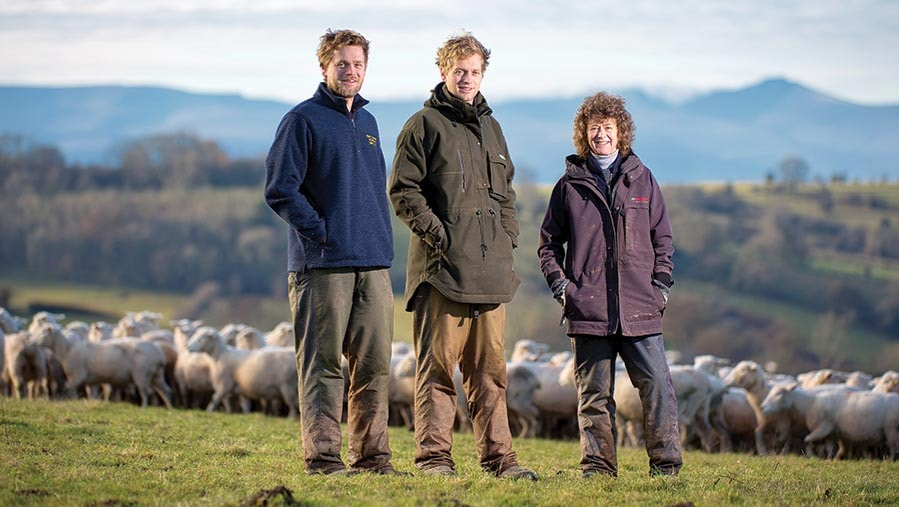
Will Sawday, a sheep farmer from Hay-on-Wye and active participant in the WSGP, emphasized the programme’s importance: “We have been performance recording for 30 years, and it has become an integral tool for our genetic improvement. For maternal traits, we have found that using solely your eyes as a measure is not good enough.”
Sawday expressed gratitude for the programme, noting its value in expanding data collection for various traits. He highlighted the advancements in performance recording, which now include new metrics such as methane emissions, essential for enhancing future business resilience.
The WSGP has positioned Wales as a leader in livestock innovation, aligning with key objectives set by the Welsh Government, particularly in areas of climate change mitigation and the adoption of innovative technologies.
Groundbreaking Genetic Developments
One of the programme’s landmark achievements includes the introduction of Genomic Estimated Breeding Values (GEBVs) in June 2023, marking a global first in the application of genomics in sheep. This initiative has established a national resource, with WSGP data accounting for 70% of the UK’s national sheep genotypes, amounting to over 77,000 genotypes to date.
The programme is actively addressing significant industry challenges by developing new genetic tools. These tools aim to select animals that are less susceptible to gastrointestinal parasites through the ‘Parasite Plus’ EBV and explore breeding possibilities for sheep that emit lower levels of methane.
While the WSGP has made substantial progress, it recognizes that genetic improvement is a long-term endeavour. The newly recruited flocks are now entering a pivotal stage, where the benefits of early recorded lambs are beginning to manifest.
Eirwen Williams, Director of Service Delivery (Rural Programmes) at Mentera, stated, “Genetic improvement is a proven, effective means of improving the sustainability of our hill and maternal flocks.” As the WSGP continues to evolve, its commitment to enhancing genetic performance offers a promising pathway toward a more sustainable future for sheep farming in Wales.