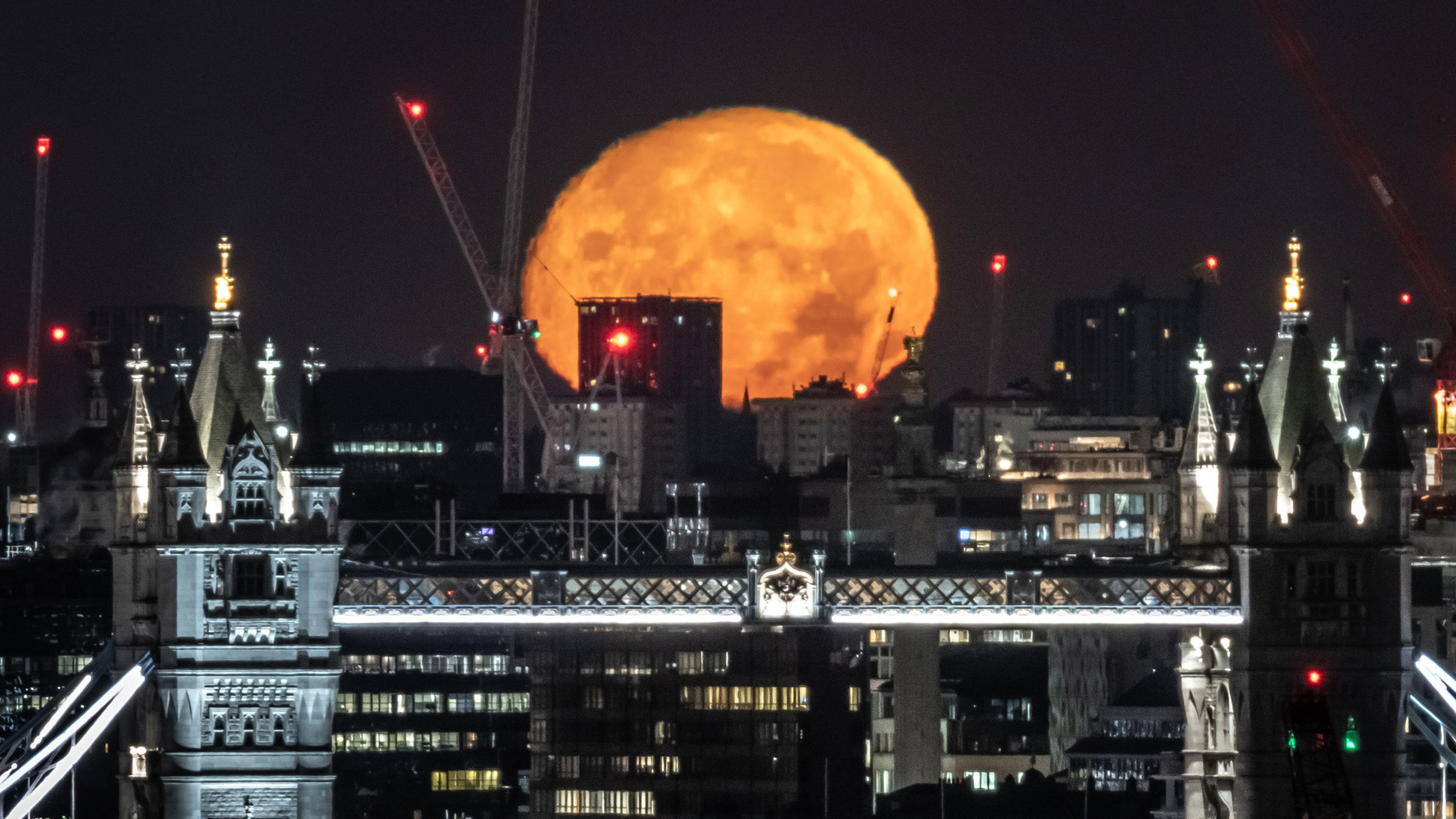
A spectacular supermoon will illuminate the night sky on January 3, 2026, marking the first of three anticipated supermoons this year. This phenomenon occurs when the Moon is at its closest distance to Earth, making it appear larger and brighter than usual. The event offers a prime opportunity for stargazers and photographers alike to enjoy and capture the beauty of our lunar neighbor.
Understanding the Supermoon
A supermoon is defined as a full Moon that coincides with the Moon’s closest point to Earth, known as lunar perigee. According to the Royal Greenwich Observatory, the Moon does not increase in size but appears larger due to its proximity. The elliptical shape of the Moon’s orbit means that its distance from Earth varies, leading to moments when it can be as much as 238,000 miles away or, in the case of the December 24 supermoon, approximately 221,000 miles.
In contrast, when the Moon is at its farthest from Earth, it is referred to as a micromoon. While the latter offers a less spectacular view, the supermoon is a compelling reason to step outside and experience the night sky.
Upcoming Supermoon Dates
The calendar for supermoons in 2026 includes two additional celestial events following the January spectacle. The next supermoons will occur on:
– **November 24, 2026**
– **December 24, 2026**
The December supermoon will be particularly noteworthy due to its closeness to Earth, enhancing its visibility and beauty.
In addition to the supermoon, January’s full Moon is often referred to as the Wolf Moon. This name is steeped in folklore, linked to the sounds of wolves howling during the cold winter nights. The tradition of naming moons stems from sources like the Old Farmer’s Almanac, which assigns names based on seasonal characteristics.
Tips for Viewing and Photographing the Supermoon
To make the most of this lunar event, a few strategies can enhance the viewing experience. First, clear skies are essential for optimal moon gazing. Reviewing local weather forecasts can help identify the best times to venture outdoors.
Finding a location with minimal light pollution is crucial. Open spaces, such as hills or flat countryside, provide the best vantage points for observing the supermoon. Avoiding urban areas, where city lights can diminish the Moon’s brilliance, will yield a more impressive view.
For those planning to photograph the supermoon, using a tripod is highly recommended. It stabilizes the camera, reducing blurriness, especially when zooming in. Smartphones equipped with night mode functionality can also enhance nighttime photography. As noted by the Royal Greenwich Observatory, capturing the Moon just after sunset or just before sunrise can create a breathtaking visual effect due to an optical illusion that makes the Moon appear larger near the horizon.
As the cold winter air settles in, remember to dress warmly when heading out for this celestial event. Whether you are an avid astronomy enthusiast or a casual observer, tonight’s supermoon promises to be a remarkable sight.