The integration of virtual reality in education is gaining significant attention as schools seek to enhance learning experiences. Programs featuring simulated volcanic eruptions and audible earthquakes are now accessible, providing students with immersive activities that stimulate engagement and curiosity. This shift towards virtual learning environments is crucial for fostering active participation among students across various locations.
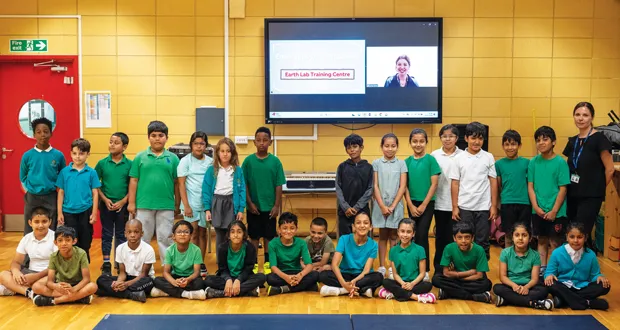
According to Mina Patel from the National Video Conferencing Education Group, the effectiveness of these virtual trips hinges on the clarity of audio and visual communication between hosts and participants. “Virtual trip activities require a lot of live questioning, so the ability to be heard and seen clearly by the host is crucial,” Patel emphasized. This highlights the importance of reliable technology in ensuring that students can fully engage with the content being presented.
Schools are increasingly adopting these innovative teaching methods, which allow for global participation without geographical limitations. For instance, students can virtually visit locations that are otherwise inaccessible, such as active volcanoes or earthquake-prone areas, and experience them in real-time. This kind of interaction not only broadens their understanding of natural phenomena but also enhances their overall educational experience.
The rise of online learning has prompted educational institutions to explore various technological solutions that facilitate better communication and interaction. As virtual activities become more prevalent, schools must invest in reliable technological infrastructure to support these initiatives. This includes high-quality video conferencing tools and robust internet connectivity, ensuring that all students have equal opportunities to learn from these virtual experiences.
As the education sector continues to evolve with technological advancements, the potential for virtual reality in classrooms remains vast. Schools that embrace these changes are likely to lead the way in creating dynamic and engaging learning environments. The success of such initiatives will depend on the ability to effectively implement technology that allows for clear communication and interaction, ultimately benefiting students worldwide.
With the right tools and a commitment to enhancing educational experiences, the future of learning is poised to become even more interactive and immersive. As educators and institutions adapt to these trends, the incorporation of virtual reality into the curriculum is set to transform the way students engage with their studies, paving the way for a more connected and informed generation.