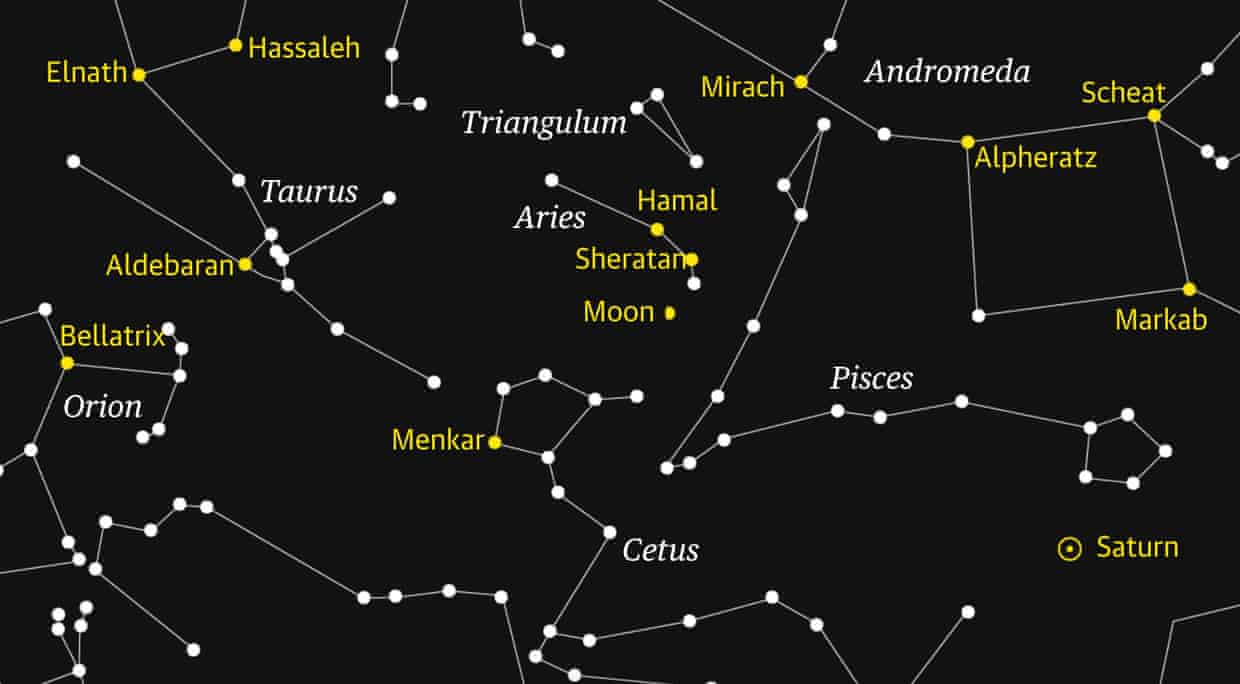
As Valentine’s Day approaches, stargazers will have a unique opportunity to admire the Moon on the evening of February 14. The Moon will be in its **Waning Crescent** phase, with approximately **11%** of its surface illuminated, providing a subtle glow against the night sky.
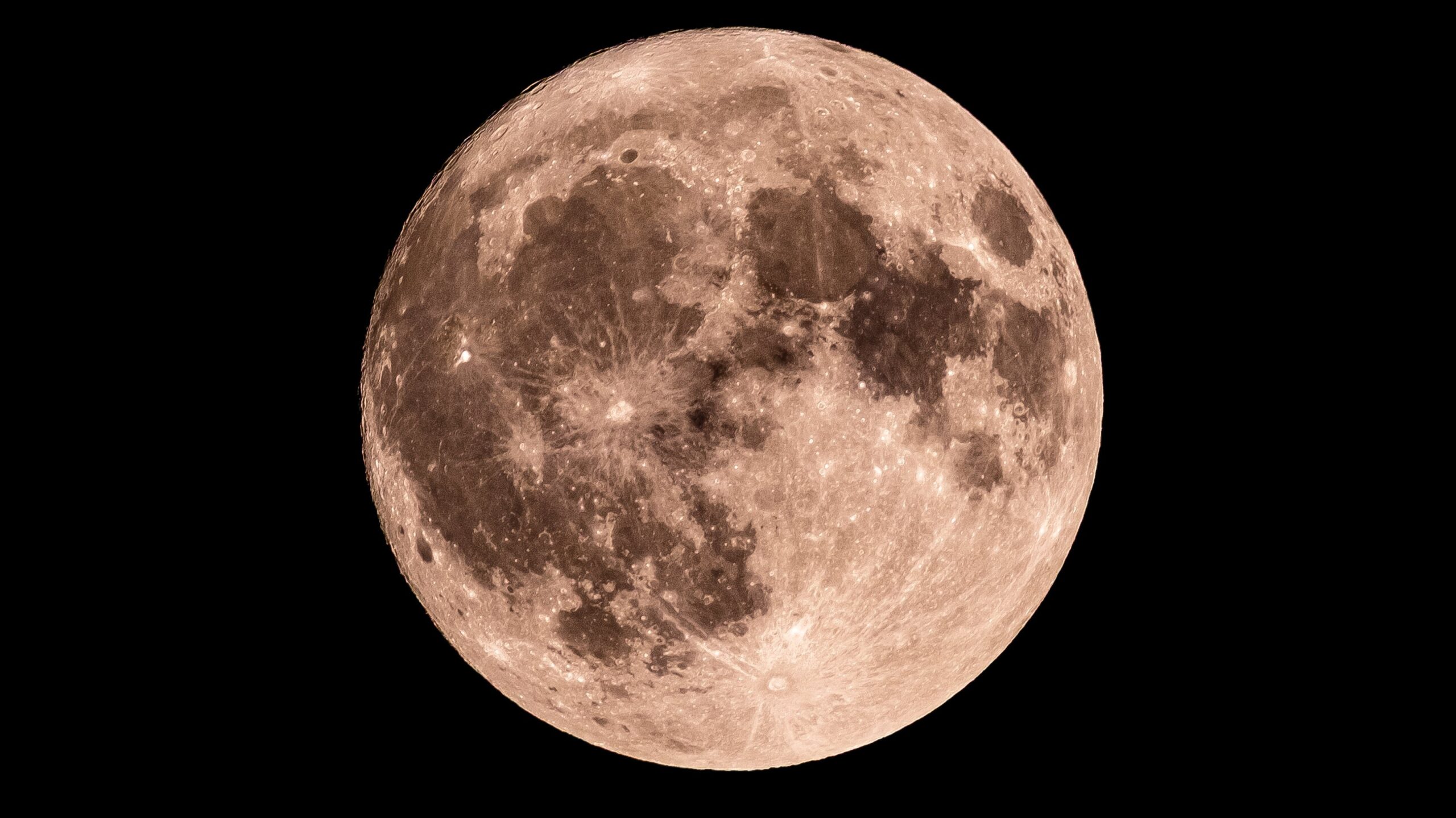
For those interested in celestial observations, this is one of the final nights before the New Moon, making it an ideal time for romantic stargazing. While the Moon may not offer a spectacular view to the naked eye, using binoculars or a telescope can enhance the experience. Observers will be able to spot the **Grimaldi Basin**, an impact feature located on the far left side of the Moon in the Northern Hemisphere, or on the far right in the Southern Hemisphere.
Understanding Moon Phases
The Moon undergoes a cycle of phases approximately every **29.5 days**, transitioning through eight distinct stages of visibility. According to **NASA**, the variety in appearance occurs as the Moon orbits the Earth, with the side illuminated by the Sun changing over time.
The phases include:
– **New Moon**: The Moon is positioned between the Earth and the Sun, rendering it invisible.
– **Waxing Crescent**: A small sliver of light is visible on the right side in the Northern Hemisphere.
– **First Quarter**: Half of the Moon’s surface is illuminated on the right.
– **Waxing Gibbous**: More than half is lit, approaching full visibility.
– **Full Moon**: The entire face of the Moon is fully illuminated.
– **Waning Gibbous**: The light begins to diminish from the right side.
– **Third Quarter (or Last Quarter)**: The left side is illuminated, appearing as another half Moon.
– **Waning Crescent**: A thin sliver of light remains on the left before the Moon transitions back to darkness.
The subsequent **Full Moon** will occur on **March 3**, following the last full illumination on **February 1**. This rhythm of lunar phases not only captivates amateur astronomers but also plays a role in various cultural and agricultural practices worldwide.
For those celebrating Valentine’s Day, a clear sky could enhance the evening’s ambiance, making it perfect for a night of romance and celestial wonder. With the Moon providing a gentle backdrop, couples can enjoy both the beauty of the heavens and each other’s company.