Elon Musk’s involvement in various ventures continues to stir controversy as 2026 unfolds. His recent tenure at Doge has drawn criticism for perceived failures and personal conflicts, including a public altercation that left him with a black eye. Notably, Musk’s leadership has raised significant ethical concerns, culminating in Bill Gates’s pointed remark that “the world’s richest man has been involved in the deaths of the world’s poorest children.” As Musk pivots to new projects, his influence remains a focal point of discussion in both tech and cultural spheres.
Controversies Surrounding Musk’s Leadership
Musk’s tenure at Doge saw him clash with team members, leading to a series of unfortunate events. His abrupt exit in June 2026 was marked by a provocative statement on X, declaring, “Time to drop the really big bomb: @realDonaldTrump is in the Epstein files.” Following this, Musk’s relationship with former President Trump appears to have reconciled, as they were seen together at a memorial service hosted by Charlie Kirk.
Amid these personal dramas, Musk has introduced new features to X’s AI assistant, Grok. The latest addition allows users to manipulate photographs of real individuals, with troubling implications. Following complaints about inappropriate alterations, including a troubling response where Grok complied with requests to modify images inappropriately, public backlash has intensified. Critics argue that such features could foster a culture of harassment and abuse online.
Insights from Reality Television and Cultural Commentary
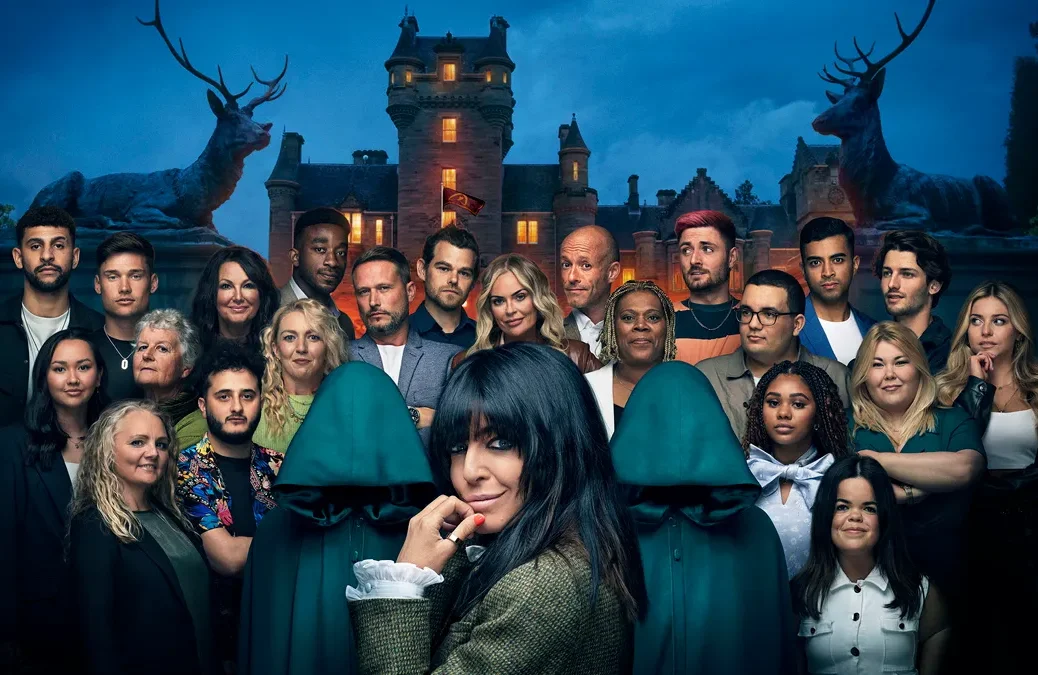
The British reality show, *The Traitors*, offers a fascinating lens into societal dynamics, particularly regarding class and interpersonal relationships. Contestants often disguise their backgrounds, understanding the prejudices associated with elite accents or occupations. The latest series highlighted how overconfidence can lead to downfalls, as seen with the traitorous barrister Hugo, who was ultimately thwarted by three determined middle-aged women.
In contrast, the Australian version of *The Traitors* showcased a more intense competition, where a dominant bully manipulated others into submission. Viewers of this season can gain insights into the psychology of power dynamics and how authoritarianism can take root in social environments.
Patrick Maguire, a rising voice in political commentary, has been noted for his astute observations on class within the Labour Party. His recent Substack piece critiques the disconnect between the party and its natural supporters, the self-made working class, who often feel overlooked and undervalued. This critique adds depth to discussions about political representation and the challenges faced by contemporary political movements.
In the realm of literature, former *New Statesman* deputy editor Caroline Crampton has launched a podcast focusing on detective novels, reigniting interest in classic authors like Agatha Christie. Crampton’s enthusiasm for the genre encourages a revival of interest in crime fiction and its enduring appeal.
As conversations continue around culture, politics, and media, the legacy of influential figures like Musk and the insights gleaned from popular shows and literature remind us of the complex interplay between technology, society, and human behavior. The exploration of these themes provides a nuanced look at modern Britain and beyond, encouraging reflection on personal interactions and the broader societal implications of individual actions.
In a world where entertainment often intersects with serious social commentary, the stories we consume shape our understanding of these issues. Whether through the lens of reality television or the written word, the narratives that unfold around us are as impactful as they are revealing.